BREAKING: Mario and Sonic’s Olympic crossover just revealed its most human moment. A former SEGA producer says Nintendo would not sign off until Mario stood ahead of Sonic on the box art. That tiny shift says a lot about power, pride, and the strange rules of gaming’s most famous rivalry. It also lands as the DS classic hits its January anniversary, stirring fresh memories and big feelings.
The Reveal: A Box Art Sprint Decided by Inches
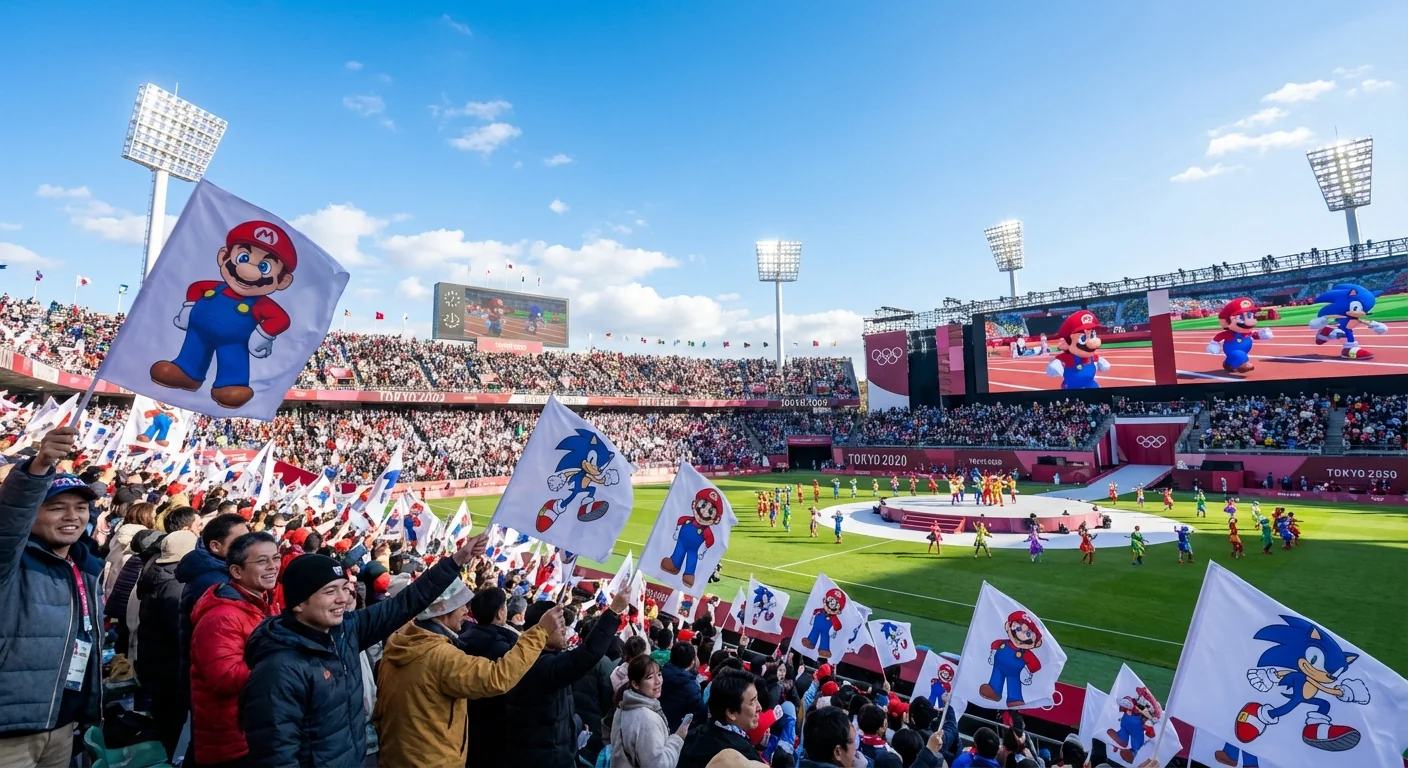
The detail comes from ex-SEGA producer Ryoichi Hasegawa, who recalls a tense exchange over the original promotional art. In early drafts, Sonic’s foot poked slightly in front. Nintendo pushed back. Mario needed to be visibly ahead, or the collaboration would halt. The change happened.
That is not petty. It is branding. In crossovers, the cover is a contract in public view. It signals who leads, who follows, and who owns the room. For Nintendo, Mario had to be the face. For SEGA, getting Sonic on equal footing with Mario at the Olympics was already a major win. In the end, the art showed parity, with a tiny lean in Mario’s favor. One step, one message.
Why This Lands Today
The timing is uncanny. The Nintendo DS version of Mario and Sonic at the Olympic Games first arrived in Japan on January 17, 2008. Every year brings a wave of nostalgia. This time, we also see behind the curtain. The series always felt friendly, bright, and simple. Now we know it was also a chess match of mascots.
Legacy Check: A Party Classic With Quiet Depth
The series was never just mini-games. It taught timing, rhythm, and mind games. It rewarded quick reads and tight inputs. That mix made living rooms loud and tournaments surprisingly tense.
- Dream Events turned sports into wild arcade challenges, and they stole the show.
- Motion controls invited everyone, from speedrunners to grandparents.
- Matchups felt personal, Mario vs Sonic, pride on the line.
- Local play made summer gatherings feel like a sports day.
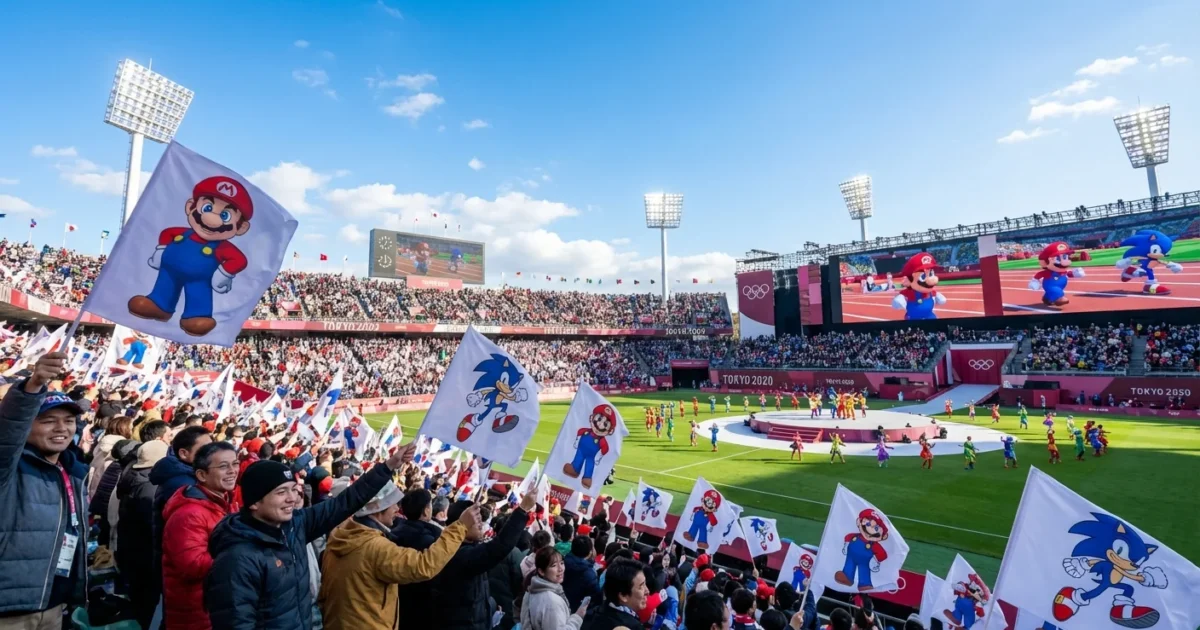
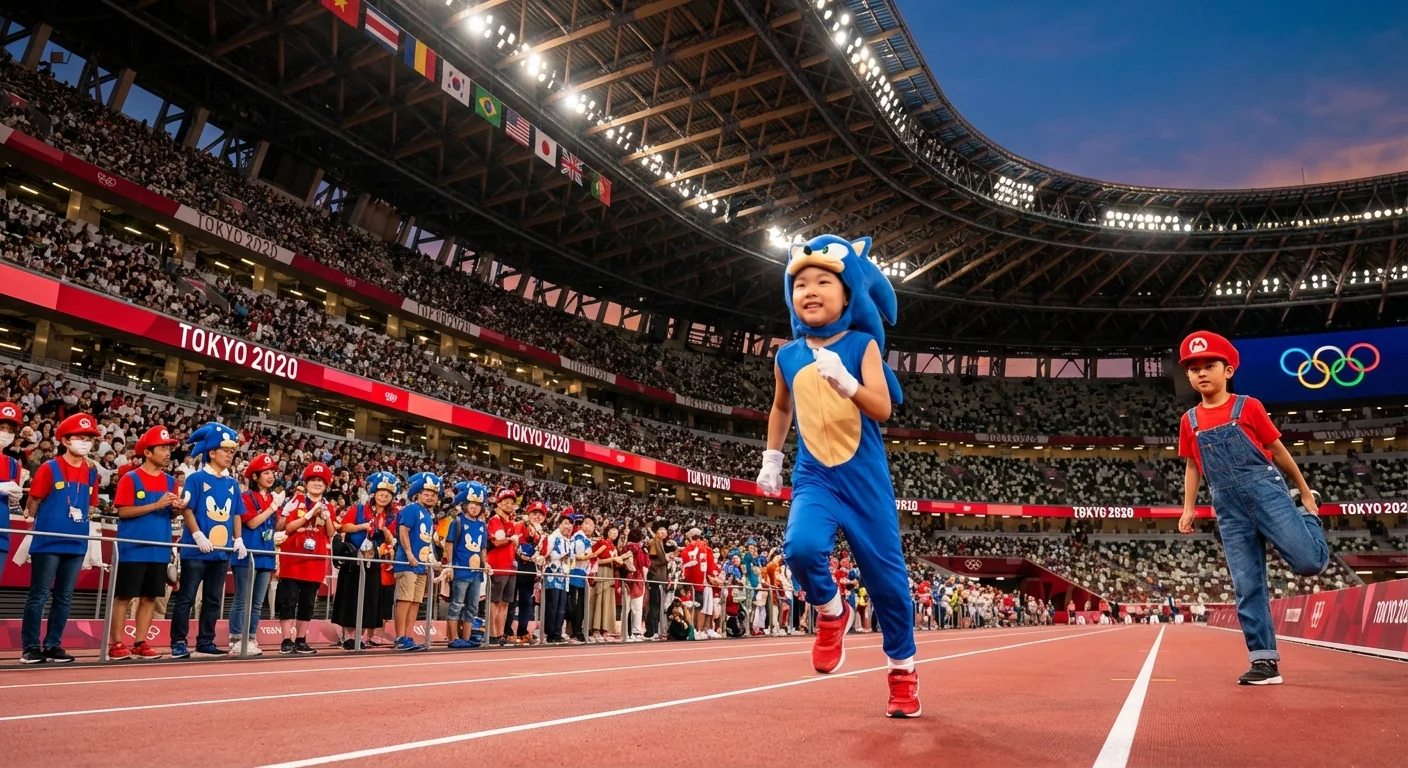
Veterans still talk about the 100m mind games, the clean rhythm of table tennis, and that perfect swimming turn. On Switch, Tokyo 2020 blended modern polish with retro 2D events, a love letter to both eras. It was the last lap for the franchise, and it felt like a goodbye even then.
The Business Hurdle: Licenses, Rings, and Reality
Here is the part many forget. This series was built on a three-way handshake. Nintendo, SEGA, and the International Olympic Committee all had to agree. One failed link, and the chain breaks.
Developer Lee Cocker has said the series effectively ended after Tokyo 2020. The IOC did not renew for Paris 2024. It chased esports and NFTs with new partners instead. Without the license, a new Mario and Sonic Olympic game cannot get off the blocks.
In October 2025, SEGA and the IOC signed a merchandise-only deal for Sonic-branded Olympic products. It does not include video games, and it does not include Mario.
So yes, Sonic returns to the rings on shirts and plush. But that does not open a lane for a new crossover game. The rights are not there, and Nintendo is not part of the deal.
No new Mario and Sonic titles are announced. The franchise is dormant unless licensing changes.
Culture Snapshot: How It Felt to Play
This series shaped a whole slice of gaming culture. School clubs ran time trials. College dorms ran relay brackets. Families took turns on javelin and laughed when motion swings went wild. For 2000s and 2010s kids, these games were social glue. You learned the timing of a perfect start. You mastered the lane in hurdles. You found your main, maybe Luigi or Blaze or Peach, and never looked back.
The Mario and Sonic handshake did more than end a console war. It let both sides keep their pride. That box art story proves it. Each company guarded its icon. Each protected image and legacy. The games felt like unity, but they were built on fierce respect.
What Comes Next
Do not expect a surprise revival soon. The IOC would need to re-open a full game license. Nintendo and SEGA would both need terms that protect their brands. After that, a new team would need time to build an entry worthy of a comeback. None of those pieces are in place right now.
If you want to celebrate, you still can. Tokyo 2020 on Switch remains a bright, clever package, with a retro mode that plays like a museum you can speedrun. The original DS and Wii entries still pop at parties. The magic is intact.
Revisit the series with a themed game night. Pick rival mains, set a medal table, and chase personal bests. The bragging rights still hit like gold.
Conclusion
A tiny box art tweak just told the truth about a giant crossover. Mario and Sonic ran side by side, but brand control set the lane lines. The games delivered pure fun in spite of that tension. With licensing out of reach, the torch stays unlit for now. The memories, and the rivalry, still burn bright.