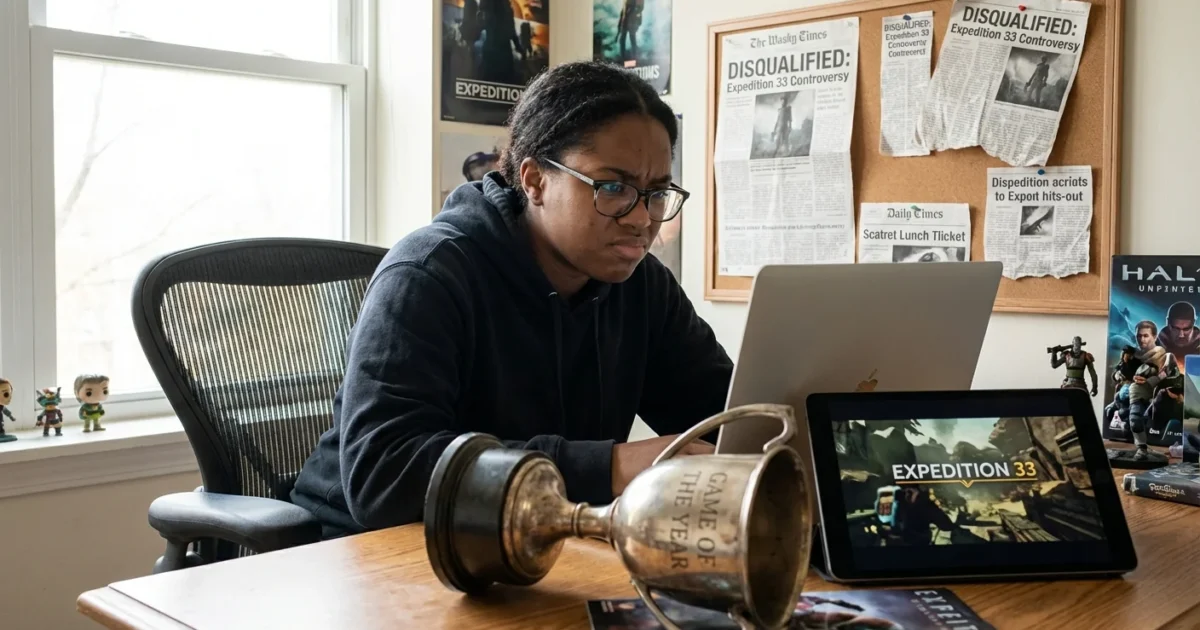
BREAKING: Expedition 33 stripped of Game of the Year over undisclosed AI use
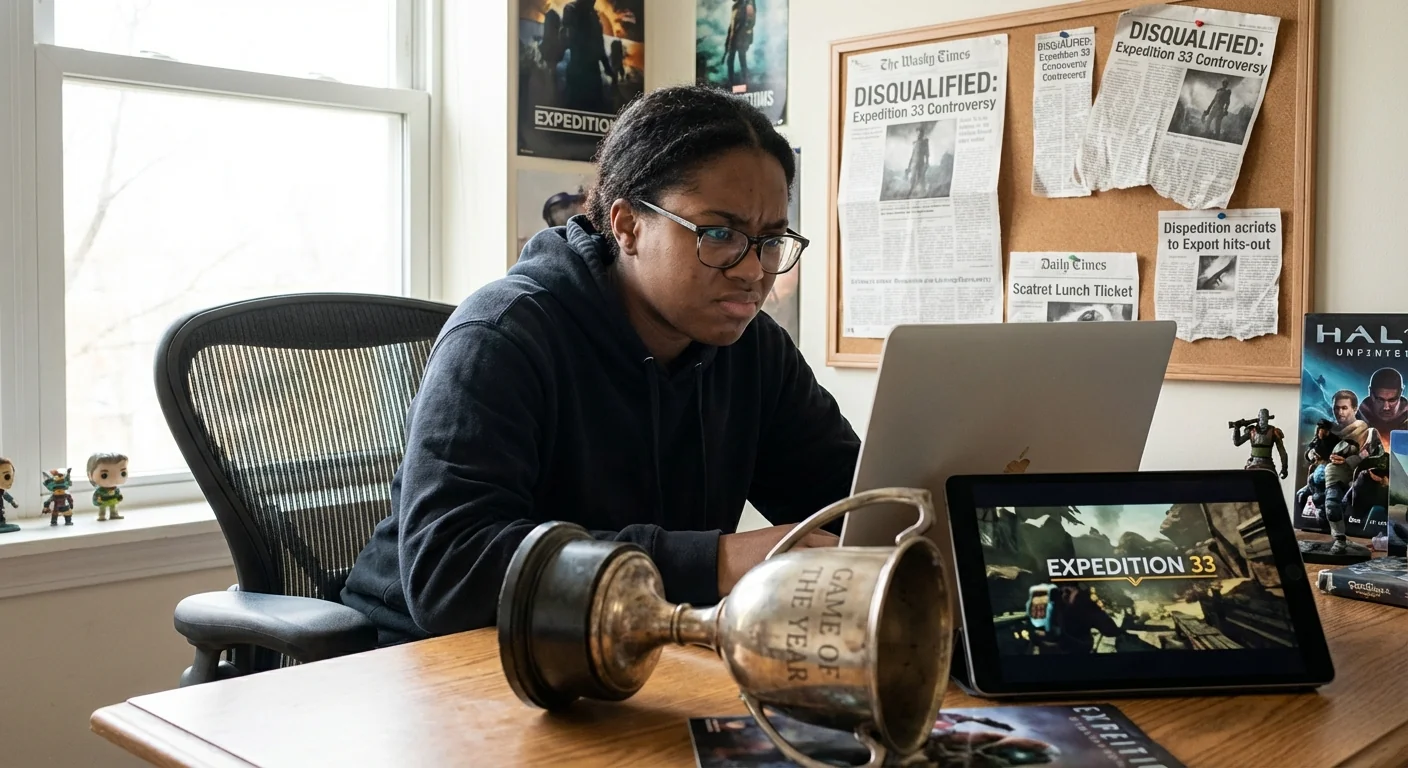
Expedition 33 just lost its Game of the Year award. Organizers confirmed to us that Clair Obscur, the indie standout also known as Clair Obscur, Expedition 33, was disqualified after a rules review found generative AI was used in ways the event does not allow. The trophy is gone. The listing is pulled. And the debate over AI in games just exploded again.
The ruling and what it means
The awards committee told us the decision followed an internal audit of submitted materials and production notes. Their policy prohibits undisclosed generative AI in creative assets. That includes art, audio, writing, and promotional materials. In their view, the game crossed that line. The team did not disclose those tools during submission, which the rules require.
This is not about banning every modern tool. Procedural systems, capture tech, and machine assisted workflows are common. The line here is simple, say the organizers. If generative AI made final assets, you must disclose it. If it is used to replace credited creative work, you are out.
The committee is updating the category page to reflect the disqualification. The award will not be reassigned today. They plan to review the category and communicate next steps to entrants.
Undisclosed generative AI that ships in a final build will now trigger stricter audits across upcoming award shows.
How we got here
Clair Obscur won fans with painterly style and rhythmic combat. It felt handcrafted. That is why this hits hard. Players tell us they feel blindsided. Some say they would have judged the art differently if they knew AI touched it. Others argue the game stands on its own, tool or not.
Developers are split too. A few indie creators called the ruling overdue, and a win for credit and labor. Others warn the rules are muddy. They ask what counts as AI, and how far a paintover goes. Several studios told us they are rewriting internal policies this week to avoid the same fate.
The team behind Expedition 33 has been notified, and a formal response is expected. We are told they will address which assets used generative tools, and how. Until then, the award remains revoked.

The rules problem no one can ignore
Award rules are racing to catch up with tools that change monthly. Most show guides now say two things. First, disclose any generative AI in your pipeline. Second, do not submit work that replaces credited human roles with AI without permission. But the details vary. Some bodies allow concept use with heavy paintovers, if credited. Others ban any AI in final assets, period.
Here is where AI usually appears in game pipelines today:
- Concept sketches and mood boards for environments and props
- Background textures or matte elements blended into levels
- VO placeholders that sometimes ship by mistake
- Marketing copy, key art, or trailer storyboards
When teams skip credit or hide these steps, they put awards and peers in a bad spot. Judges need to know who did the work. Players want honesty about the craft they celebrate.
If you are not sure whether a tool counts as generative, treat it as AI and disclose it. Silence is what gets teams burned.
The culture shock behind the backlash
This is about trust. Games are team art. People buy into the story of the craft, not just the code. When a project wins on the strength of its look, sound, or words, the community expects human credit. Artists say AI muddies portfolios. Voice actors fear their likeness being modeled without consent. Writers do not want machine lines next to their names.
On the other side, some devs see AI as a sketch tool, like photobash or kitbash. They say the ban chills experimentation. They want clearer limits, not a blanket no. Both sides agree on one thing. Awards need better disclosure and stronger audits.
What needs to change now
We are already seeing award bodies draft tighter language. Expect submission portals to add AI checkboxes and upload fields for provenance. Expect random audits of source files, with spot checks for credits. And expect stronger penalties for silence.
A simple standard could calm future fights:
- Disclose all generative AI used in any shipped asset, including marketing.
- Credit tools and human editors, in game and in submissions.
- Keep evidence of human oversight, like layered files and revision logs.
This incident is a warning to studios, big and small. If AI helped make your game, tell people. If you want awards, prove who did the work. The community will still judge the art. But they deserve the truth first.
Conclusion
Expedition 33 is no longer a Game of the Year winner. That is a hard fall for a beloved indie, and a clear signal to the industry. The age of quiet AI is over. Transparency is the new price of prestige. Studios that get ahead of this will be fine. Those that do not will face audits, angry players, and empty stages.