BREAKING: Today’s mini puzzle just spawned a boss fight over four little words. The clue, black piano key next to g, dropped like a surprise raid and split the player base in seconds. I watched timers stall, streaks wobble, and chats light up with one question. Is it G sharp or A flat?
The Key That Started It All
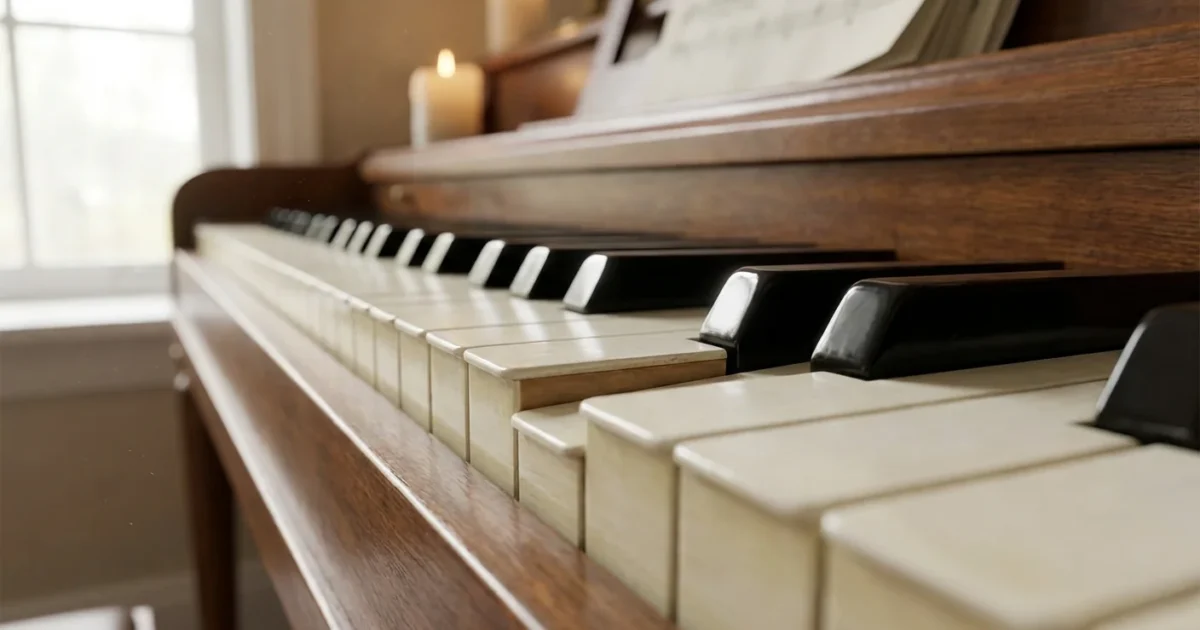
Here is the simple truth. The black key immediately to the right of G is G sharp. The same key also has another name. It is A flat. These are enharmonic notes. They sound the same on a modern keyboard. They use different names in written music.
The black key to the left of G is also in play for some readers. That one can be F sharp or G flat. Again, same sound, different name. Your answer depends on the direction the clue is nudging.
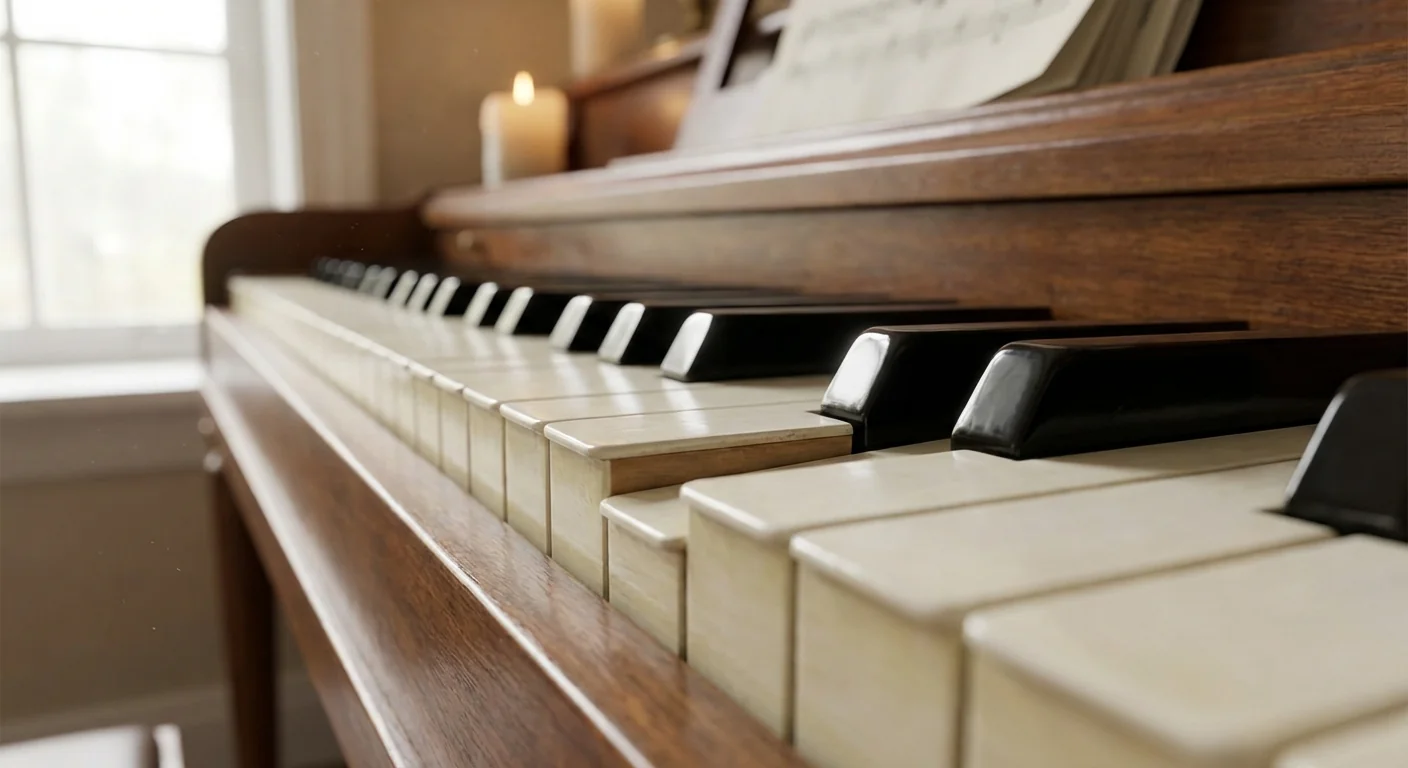
Piano keyboards repeat a pattern of two black keys, then three. Every black key sits between two white keys. Each one can be named as the sharp of the lower white key, or the flat of the higher white key. That is the layout, no tricks, no secret tech.
Why Crosswords Force One Name
Puzzles do not accept two names at once. Editors lock one spelling, and they do it for clean crossings and grid size. That is the design choice. It is the same logic that balances a loot table.
G sharp is often written GSHARP in puzzles. That is six letters. A flat is usually AFLAT. That is five. Minis love tight grids, so AFLAT fits a lot. But it is not a rule. Cross letters decide the winner. If the clue is vague, the crossings are the tiebreaker. Always.
Count letters first, then scan the crossings. If the pattern fits AFLAT, you likely go flat. If you see GSHARP lines up, go sharp.
Some players read next to as to the right. Others read it as either side. Music culture and training shape that instinct. Band kids lean flat in some keys. Guitar players lean sharp on fret maps. A puzzle does not care about your background. It cares about the grid.
Players Felt It Like A Boss Mechanic
I saw speed solvers hit a wall. A few reset runs to protect a clean clock. Others took the DNF rather than guess. The vibe felt like a rhythm game lane swap. Your eyes know the key. Your hands type the wrong name. Tilt happens.
Musicians in the community did quick coaching. They posted a mental map of the keyboard. They reminded folks that symbols often become words in clues. So sharp becomes SHARP. Flat becomes FLAT. No hashtags. No musical symbols. Just letters.
Rhythm gamers chimed in with muscle memory takes. To the right equals sharp, they argued. Some crossword veterans fired back. Letter count rules, not intuition. That back and forth felt lively, but fair. Everyone learned something. 🎹
When a music clue says next to, check if any other clue anchors direction. Words like to the right or to the left remove doubt. If not, trust the crossings.
- Quick solve checks for music clues:
- Look for word forms. SHARP or FLAT, not symbols.
- Scan letter count. Minis favor tight entries.
- Let crossings confirm direction. Do not force a guess.
Why This Matters In Games Culture
This is classic puzzle design. Editors seed tiny friction that makes a clean solve feel earned. It is the same energy as a tricky platform in a speedrun. Or a weapon roll with one awkward perk. You feel it, you adapt, you win.
It also shows how games teach systems. Enharmonic names look like lore at first. Then the pattern clicks. Two black keys. Then three. Each one has two names. You understand the map. You move faster next time.
Today’s clue worked because it pressed on that hinge. It asked for knowledge, but also asked for discipline. Do not assume. Read the grid. Trust the letters. That lesson scales across every daily you play. From puzzle streaks to roguelike paths.
The Final Note
The black piano key next to G is not a trick. It can be G sharp. It can be A flat. The left neighbor can be F sharp or G flat. On a keyboard, they sound the same. In a crossword, only one fits. Today, the grid picked a side, and players felt the hit. Keep your letter count sharp and your crossings flat, and you will clear the room tomorrow. 🎮