BREAKING: Northern California egg recall hits home kitchens and brunch menus
A beloved Northern California egg brand is off the table today. Vega Farms has issued its first recall, pulling more than 1,500 dozen eggs after a routine state inspection found Salmonella on processing equipment. No illnesses have been reported. The recall matters beyond one farm. It touches home cooks, restaurant brunch service, and the way we make everything from Caesar dressing to holiday custards.
What was recalled, and where to look
The recall covers Vega Farms 12 count cartons and 30 count flats with handler code 2136 and sell by dates of December 22, 2025, or earlier. Some packs also carry Julian dates that match those sell by dates. The eggs were distributed to restaurants, farmers’ markets, and retail stores around Sacramento and Davis.
This appears to be an equipment contamination, not a flock issue. That distinction is important. When hens are healthy but equipment is dirty, the risk tends to cluster around washing, grading, and packing. That is also where rapid fixes can work, once the line is shut down and deep cleaned.
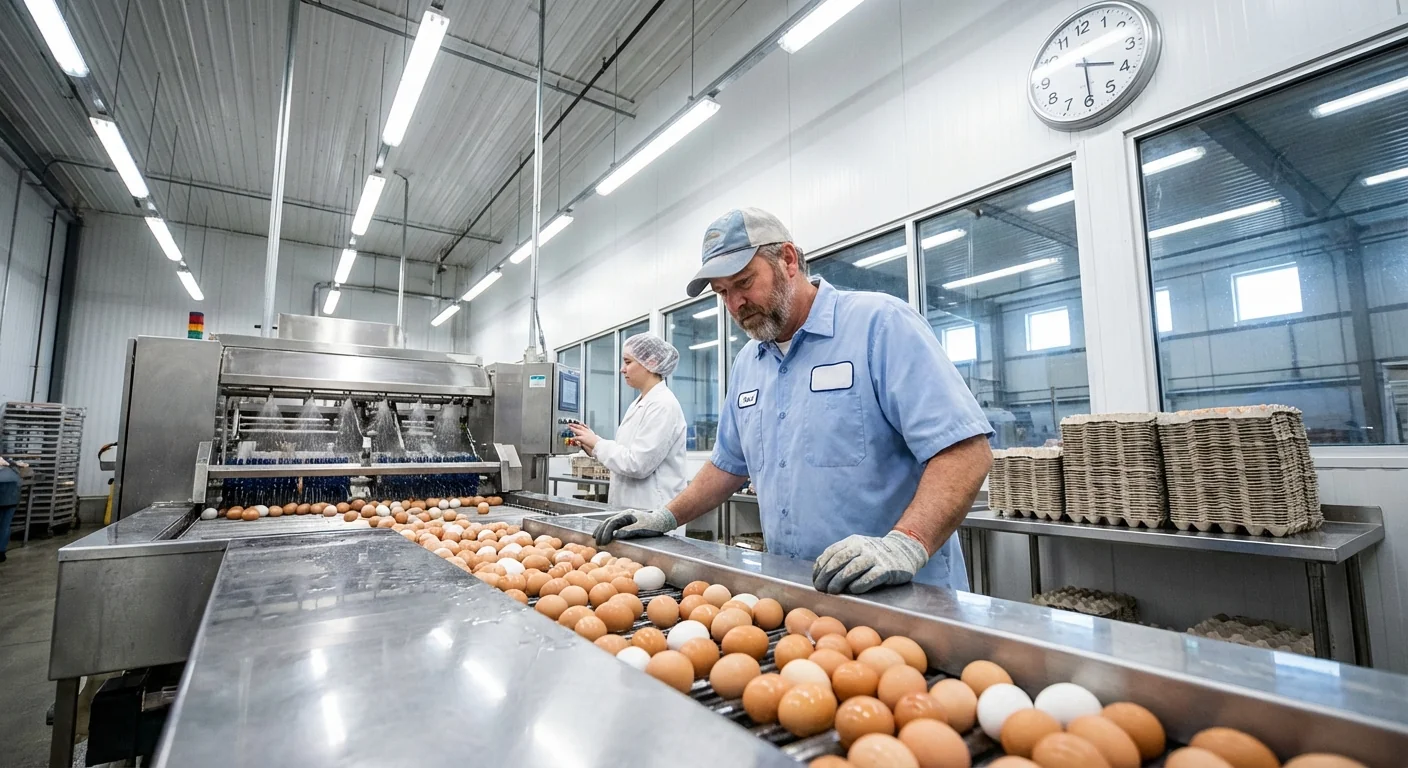
If you bought farm eggs for holiday baking, press pause and check your cartons. If you run a cafe, check your flats. If you see 2136, set them aside.
What this means for your kitchen
Do not eat these eggs. Salmonella can cause serious illness, especially for infants, older adults, and people with weakened immune systems. Even a small transfer from shell to counter can spread it.
- Check your carton or flat for code 2136 and sell by December 22, 2025, or earlier.
- If matched, bag the eggs, return to the store, or discard in the trash. Do not crack and cook them.
- Wash your hands. Clean shelves, drawers, and any bowl or pan that touched the eggs.
- Disinfect surfaces with a fresh bleach solution, 1 tablespoon bleach per 1 quart water, then air dry.
If you have stomach cramps, fever, or diarrhea after eating eggs, call your healthcare provider. High risk groups should seek care early.
This is also a moment to rethink recipes that use raw or barely cooked eggs. Caesar dressing, aioli, mayonnaise, tiramisu, and some whiskey sours rely on eggs that do not get fully hot. Hollandaise is warmed, but often not enough to be safe without pasteurized eggs.
Use pasteurized shell eggs for raw or softly cooked recipes. For hot dishes, cook eggs until both yolks and whites are firm. Custards should reach 160 degrees Fahrenheit.
How it hits restaurants and dining culture
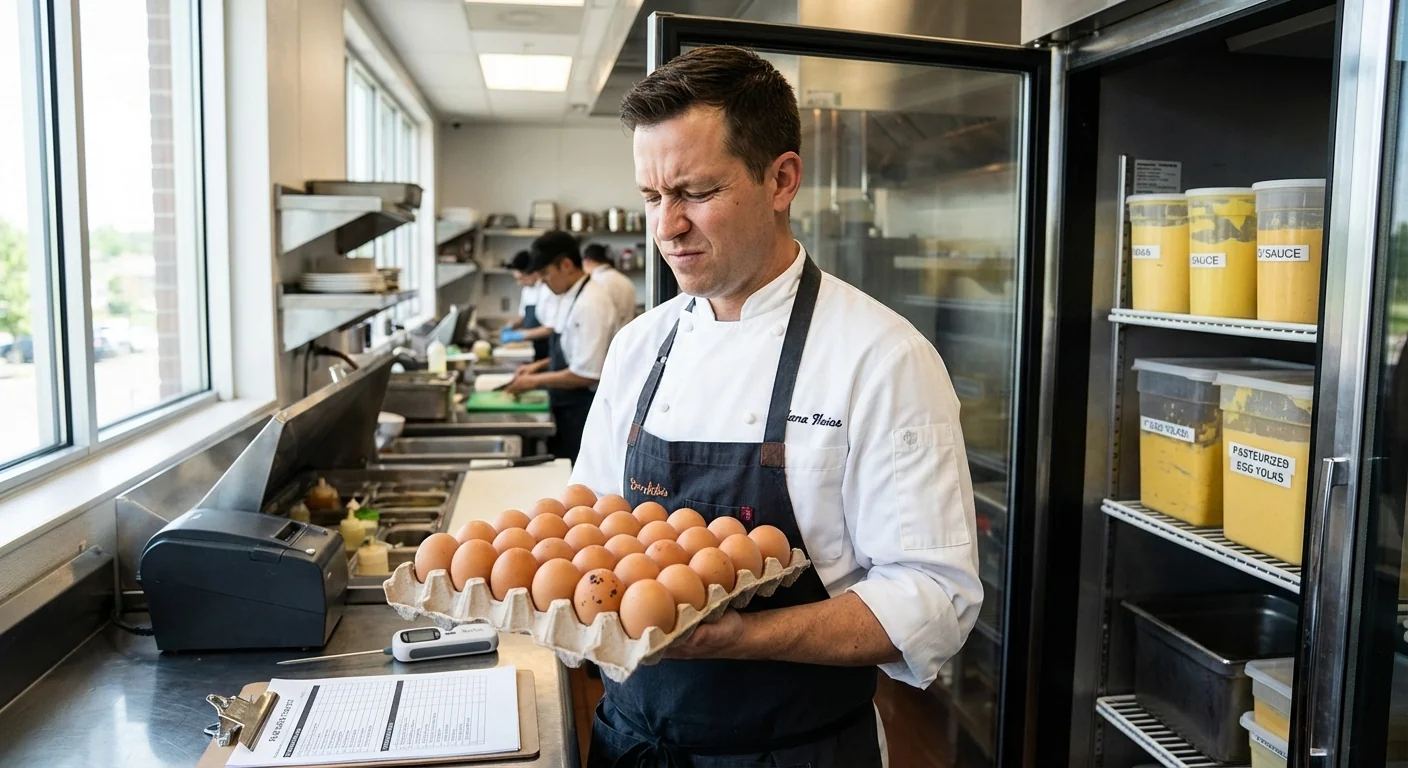
This recall lands at peak brunch season. Chefs in Sacramento and Davis are already checking walk-ins and switching to pasteurized eggs for sauces. Expect quick menu edits. Many kitchens will hold béarnaise, swap in yogurt dressings, or run steak and eggs only when pasteurized eggs are on hand. Farmers’ market shoppers may see signs at stands, and some vendors will offer refunds or replacements.
The best operators keep backup plans for exactly this. Smart prep teams batch mayo with pasteurized eggs, label custards with cooking temps, and treat each shell like raw chicken. That level of rigor is becoming the norm, not a luxury. It is a shift shaped by a year of repeated egg recalls.
The bigger 2025 picture
Vega Farms is not alone this year. Several large producers have had Salmonella problems, with recalls that reached multiple states. The pattern has a theme. Environmental contamination at facilities has been the weak link. In plain terms, lines and rooms need tighter cleaning, better separation of dirty and clean zones, and more frequent testing.
Equipment, from brushes to belts, touches the shell before you do. If that gear is not sanitized well, the shell can carry bacteria into your kitchen. Regulators are pushing for more environmental swabbing and faster corrective action. Serious producers are investing in better wash systems, redesigned pack rooms, and clearer lot codes. Consumers, meanwhile, are buying more pasteurized eggs and choosing heat treated sauces. That is the new rhythm of egg safety, from home cook to hotel banquet.