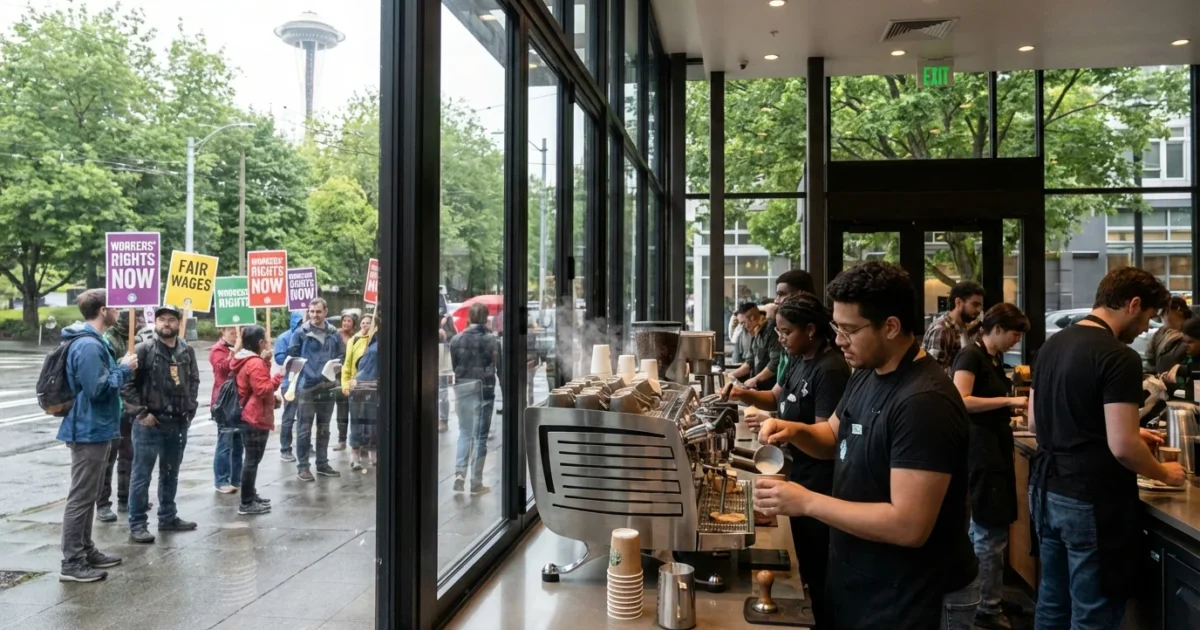
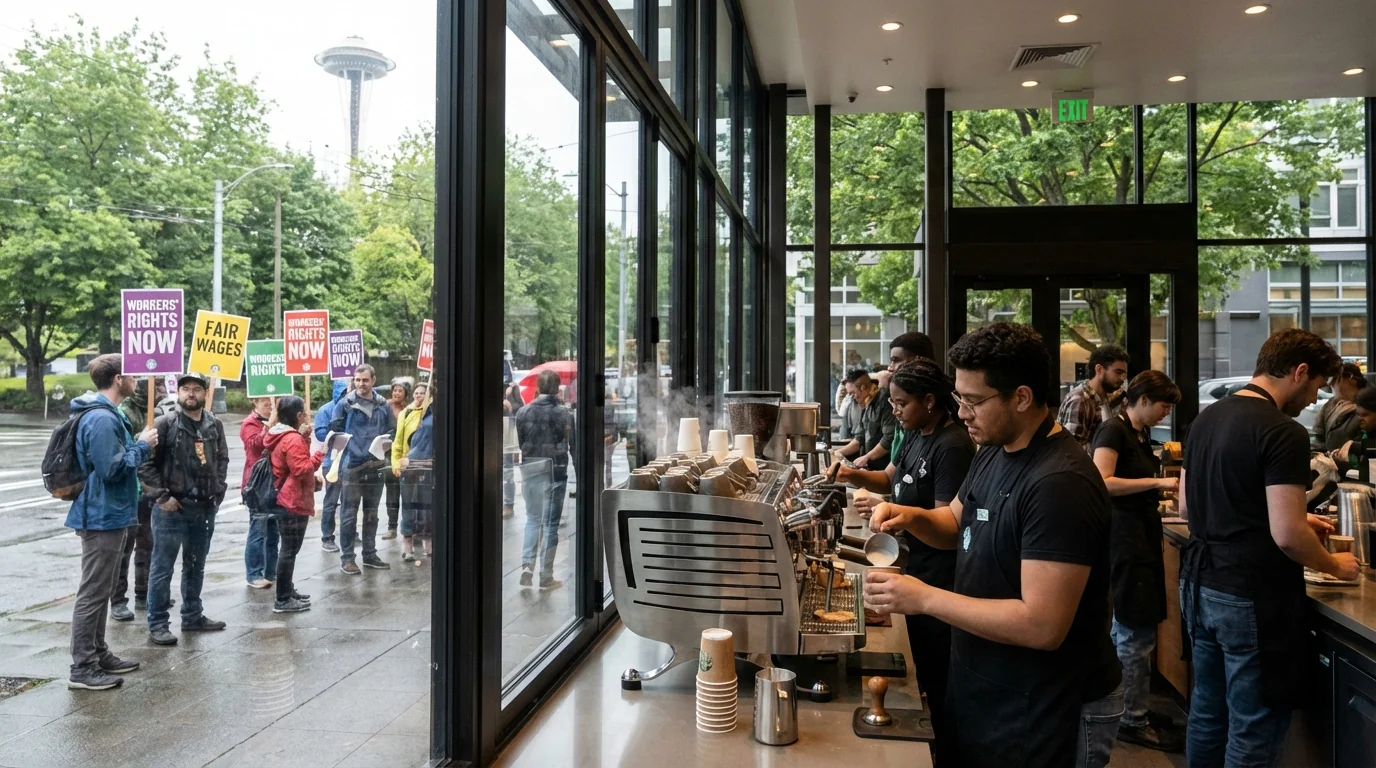
Starbucks workers walked off the job, then many walked back in. I spent the morning at the company’s Seattle headquarters, where chants echoed off the glass. Outside, the pickets held firm. Inside, most green aprons were back on bar.
What I saw today
The strike did not vanish. It shifted. At stores I visited in Seattle and Long Beach, lines moved again, but picket signs stayed up at corners and near loading docks. A California congressman joined one crowd, which brought cameras and curious customers. The message from workers remained clear, better pay, steadier staffing, real union talks.
Here is what is real on the ground from my reporting:
- Most strikers are clocking back in, even as protests continue
- Demonstrations outside the Seattle HQ have grown in size and sound
- A Long Beach picket drew a California congressman and local support
- Workers are pushing for pay, staffing, and union recognition
Momentum check, or a reset?
Some will read the return to work as a retreat. That is too simple. Baristas I spoke with called it a tactical pause. They want to restore daily tips, keep health coverage, and hold leverage for the next move. Walking back into the store can be part of the plan. It shows customers they still care for the cup, and it centers the conversation where it began, at the bar.
The company now faces a sharper choice. Engage on scheduling, safety, and wages, or risk rolling actions that hit peak hours. A store does not need to go dark to feel pressure. All it takes is a few empty spots on the floor when the mobile orders pile up.
Expect shorter staffing windows and, in some markets, temporary menu trims, especially on custom cold drinks that slow the line.
How it hits the menu and your daily cup
Coffee is labor. Every ristretto, every swirl of cold foam, takes hands and seconds. During the walkouts, cold bars were the choke point. Custom orders with five syrups and two foams waited longer. Hot espresso moved faster, since it asks less prep and fewer steps. That pattern will linger while schedules reset.
What baristas told me
They can handle volume, but not chaos. The pain points are mobile surges, dairy swaps, and drinks that need two stations. Oat milk is still the star, brown sugar is still the comfort note, and the Oleato line has its niche. But tight crews lean toward simpler builds, iced shaken espresso, flat whites, drip with a splash.
If you want speed this week, order simpler, think drip, Americano, or a shaken espresso with one syrup. Add your own topping at the condiment bar. ☕️
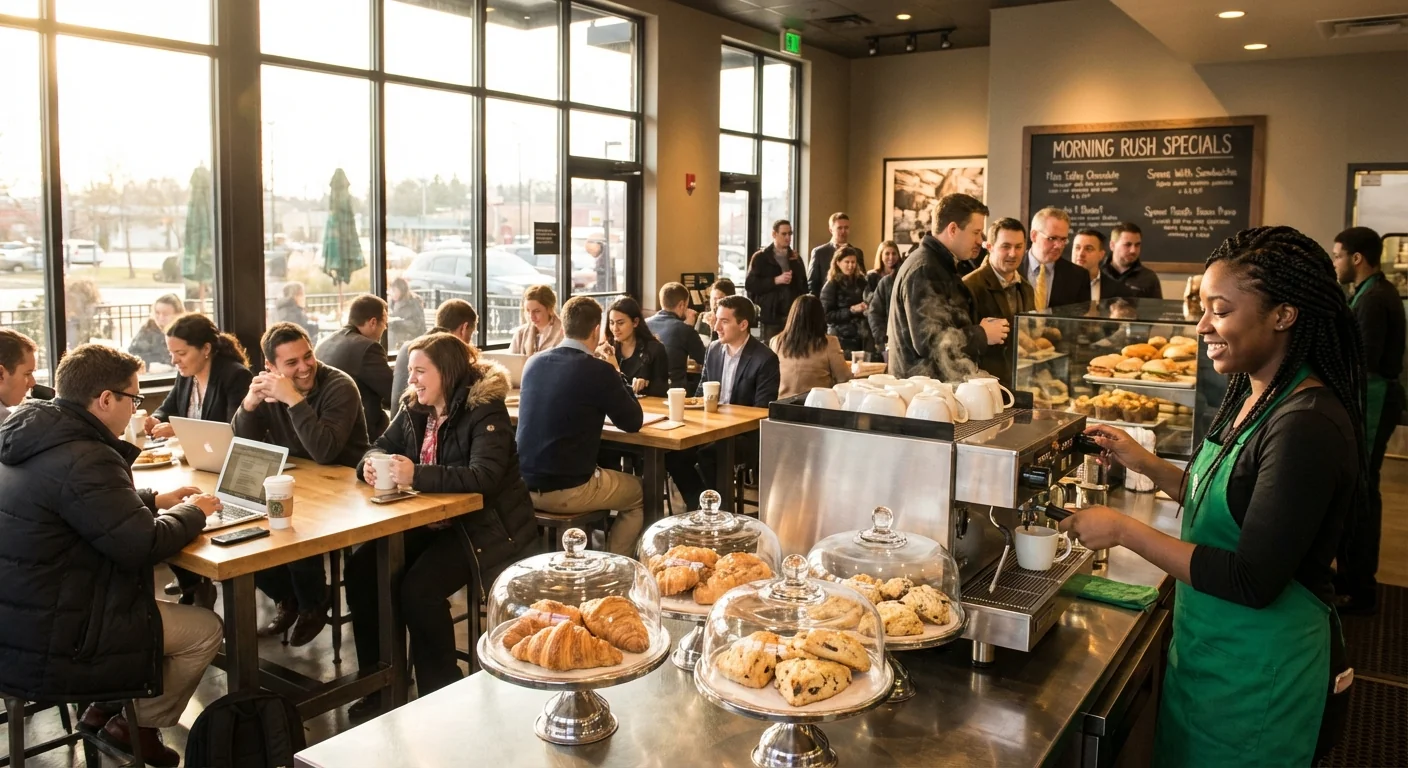
Customers notice the vibe, not just the wait. A store that hums, with clear banter and clean counters, sells more food. When teams feel heard, the breakfast case empties by 10. When they do not, the sandwiches sit. Culture shows up in pastry sell through.
The home barista playbook
If your store feels stretched, you can bring the ritual home without losing the flavor. Here is the quick copycat I keep in rotation, the Brown Sugar Oat Shaken, built for a busy weekday.
- Brew 2 strong espresso shots, or 4 ounces very strong coffee.
- In a jar with ice, add 2 teaspoons brown sugar, a pinch of cinnamon, and the hot coffee.
- Seal and shake hard for 20 seconds until frothy and chilled.
- Strain over fresh ice, top with 4 ounces cold oat milk, and stir.
For a cold foam finish, whisk 2 ounces milk with 1 teaspoon maple syrup until thick, then spoon on top.
Bring a reusable cup, tip if you can, and say the drink name clearly. Small gestures make a long shift feel shorter.
What this means for coffee culture next
This moment is not just about a union card. It is about how we drink coffee in public. Starbucks built a stage where we customize, linger, and meet. Baristas are asking for the backstage to work as well as the front. Pay matters. Staffing matters. So do schedules that allow training, especially on cold bars where drink builds are complex.
I expect more targeted actions, shorter and sharper, tied to drive times, school drop offs, and game nights. The company can blunt that by fixing the schedule math, boosting pay floors in busy markets, and cutting a few high friction builds during crunch hours. Unions thrive when customers see dignity in the work and quality in the cup. That is the path to both.
Break rooms decide the future as much as board rooms. If the next few weeks bring calm shifts and honest talks, the return to work will look like smart timing. If not, the picket signs will be right where I saw them today, outside the glass, with the smell of espresso drifting out to meet them.