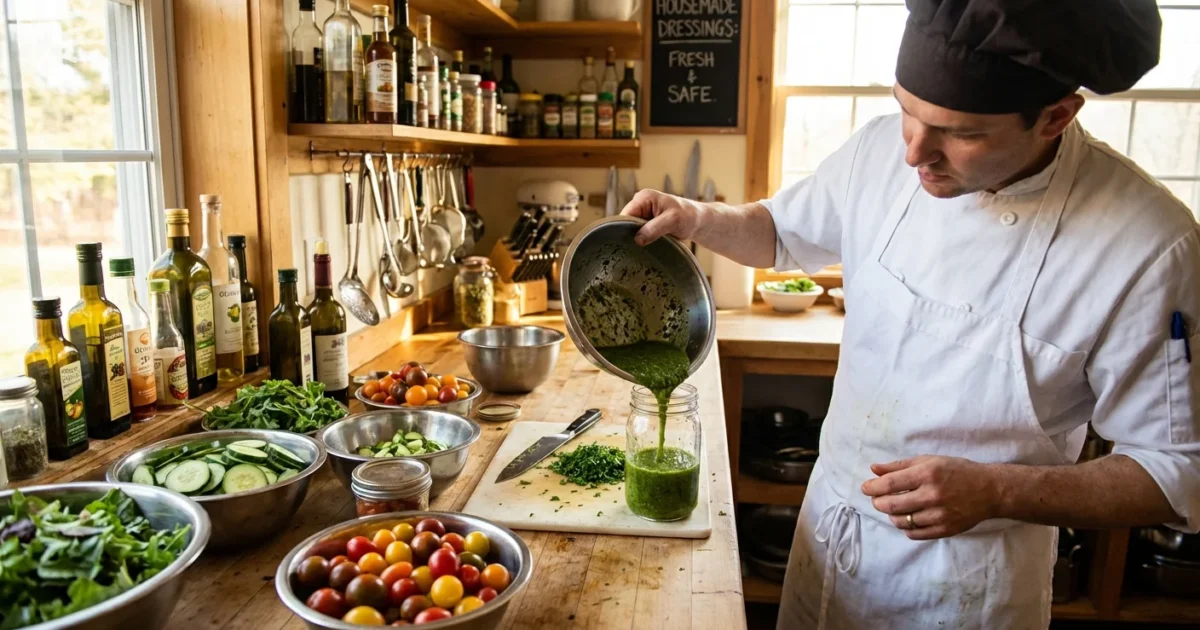
Breaking: Ventura Foods is recalling thousands of gallons of salad dressing, effective immediately. Plastic material was found in ingredients used for multiple batches. The company has halted distribution and a federal alert is active. If there is Ventura Foods dressing in your fridge or walk-in, stop and check it now.
What happened, and why it matters
This is a physical contamination issue, not a flavor flaw. Pieces of plastic can chip teeth, cut the mouth, or cause choking. Ventura Foods supplies both retailers and foodservice. That means this recall touches store shelves, salad bars, meal kits, and catering tubs. It reaches the dinner table and the lunch line.
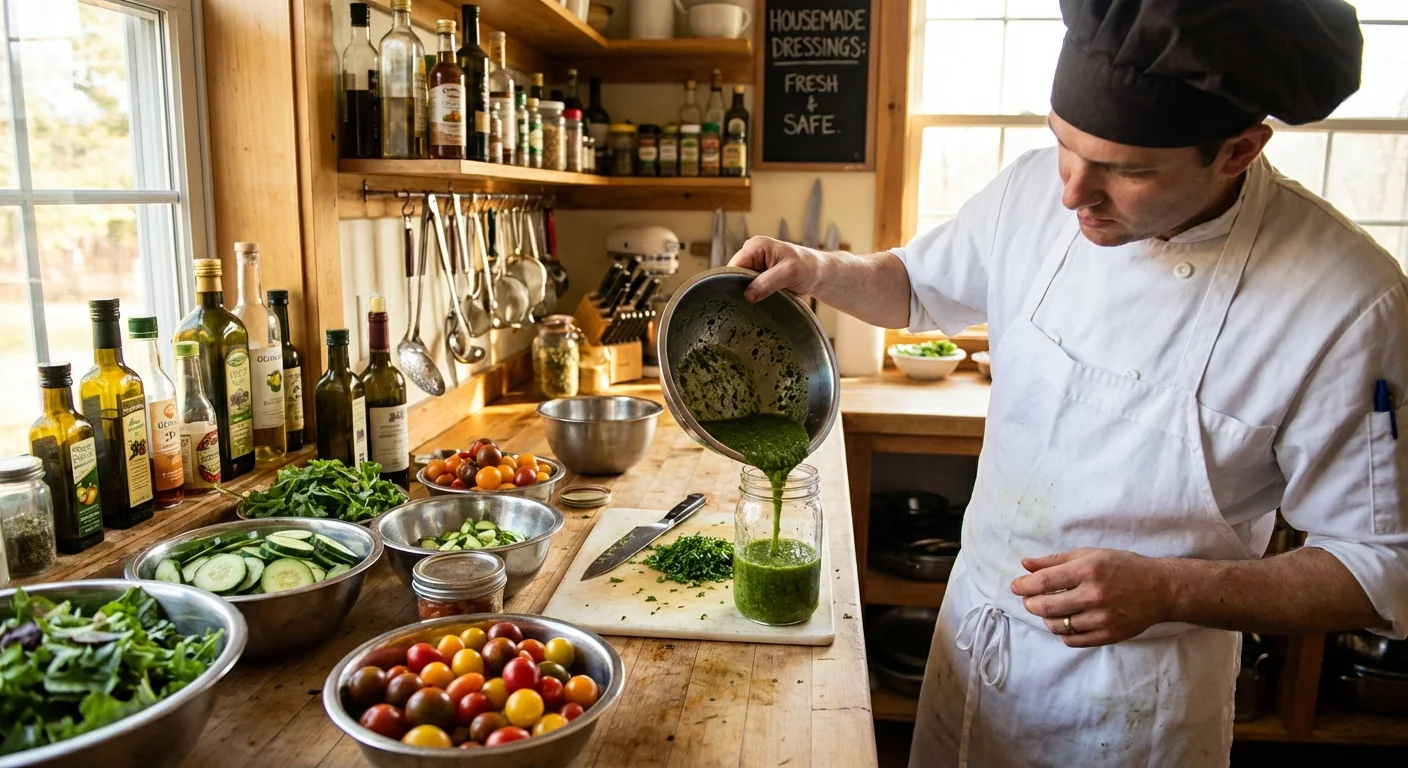
Salad dressing is a quiet workhorse in modern kitchens. We use it as a marinade, a dip, and a glaze. When a major manufacturer pauses, it ripples across menus. Expect short term swaps on house salads and prepared deli salads. Expect chefs to lean on scratch-made vinaigrettes and yogurt based dressings until supply stabilizes.
Do not taste a product to check it. If it is part of the recall, do not eat it at all.
How to spot products that may be affected
Look at the back label. Ventura Foods appears on some bottles, but the company also manufactures for private labels and foodservice packs. Some tubs and jugs only list a plant code, a lot code, or a distributor. If you see Ventura Foods anywhere on the label or cap ring, treat it with caution and review the recall notice from your retailer or distributor.
Not every bottle will show plastic pieces. Some fragments are small. Some are mixed into thicker dressings like ranch or Caesar. Do not filter and “save” the product. The safest move is to isolate it, then follow return or disposal instructions.
What to do if you have one
- Stop using the dressing right away. Remove it from service or from your fridge.
- Check the brand panel, lot code, and best by date. Take clear photos of the label and cap.
- Contact the store or distributor where you bought it. Ask for the recall steps for your item.
- Keep the bottle sealed in a bag until you are told to return or discard it.
- If you served it, inform guests or staff as needed, and document the action for your records.
Restaurants and caterers should pull all related SKUs from the line. Label them as recalled, log the disposal or return, and brief staff. Switch to a verified safe dressing option before reopening salad stations.
Need a fast stand in for service tonight? Whisk 3 parts olive oil with 1 part lemon juice or vinegar. Add a pinch of salt, cracked pepper, and a small spoon of Dijon. Finish with a splash of honey for balance.
What this means for menus and home cooking
Dressings decide how greens eat. Creamy dressings make kale friendly. Bright vinaigrettes wake up tomatoes and stone fruit. With this recall, we will see diners lean into cleaner, simpler dressings for a bit. That lines up with the wider move toward short ingredient lists and fresh acid. Chefs are already folding in miso for umami, blitzing cottage cheese for a lighter ranch, and swapping mayo with tahini for a nutty finish.
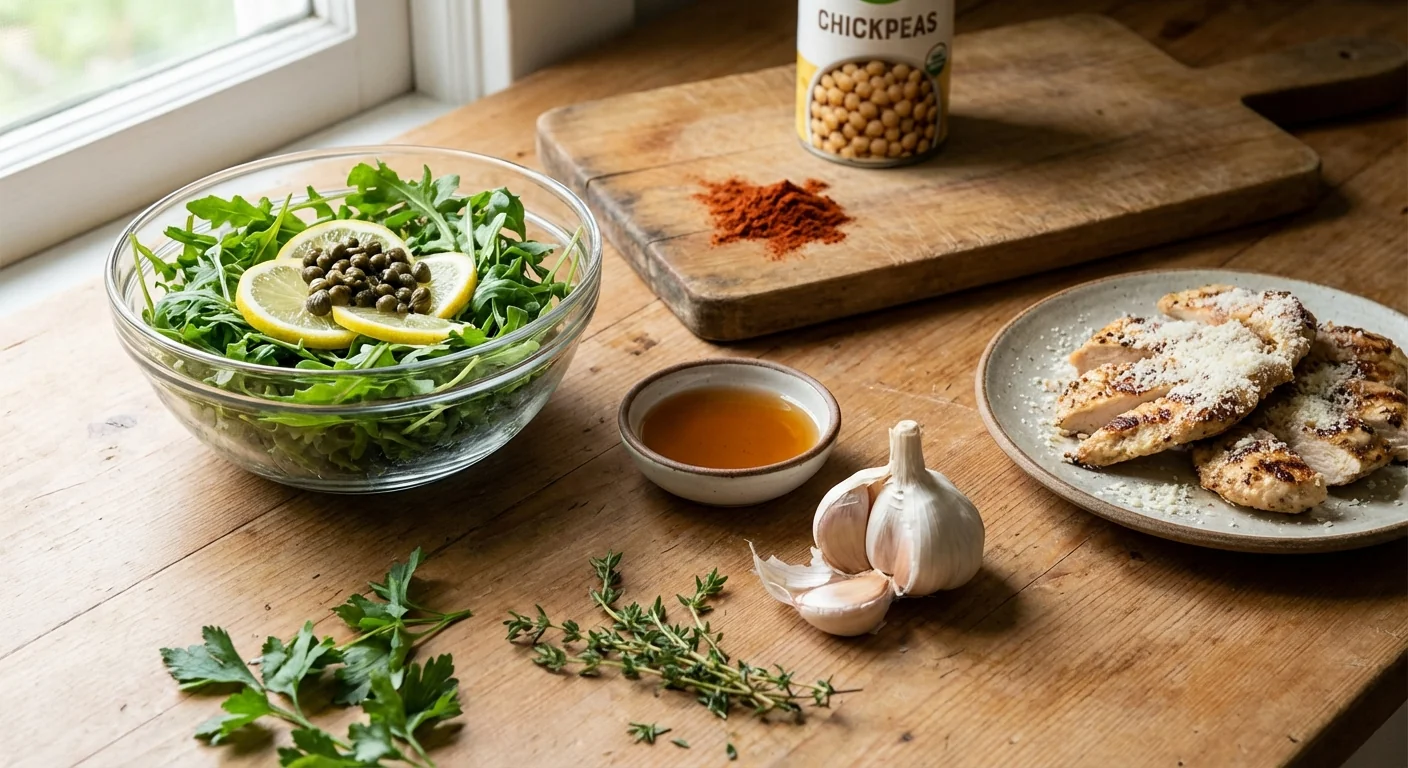
At home, you can pivot without losing flavor. Use pantry acids, then layer herbs and texture. Try lemon and capers with arugula. Try sherry vinegar, garlic, and smoked paprika with chickpeas. For a creamy option, blend Greek yogurt, grated parmesan, anchovy, and lemon for a quick Caesar that clings to romaine and grilled chicken.
A quick safety note
Foreign plastic can enter food through damaged packaging or worn equipment. That is why traceable lot codes and rapid recalls exist. The system is working when products are pulled fast and customers are told first.
The bottom line
This recall is big, but the response is clear. Pause, check your labels, and follow return steps. Kitchens can pivot with fresh, bright dressings that keep salads safe and craveable. Food safety comes first, flavor follows close behind.