Breaking: I can confirm a nationwide recall of several chocolate bars due to potential Salmonella contamination. Retailers are pulling affected bars from shelves right now. If you bought chocolate recently, pause before you unwrap it. This is a real food safety moment, and it touches home kitchens, bakeries, and dessert menus across the country.
What’s recalled and why it matters
The recall targets specific chocolate bar varieties sold across the United States. The maker has issued a voluntary recall after potential Salmonella was identified in certain lots. That means some bars are safe and some are not. The details that matter are the brand, the lot or batch code, and the best by dates on the wrapper. Those markers tell you if your bar is part of the recall. Check the FDA site or the company’s recall notice for the exact codes.
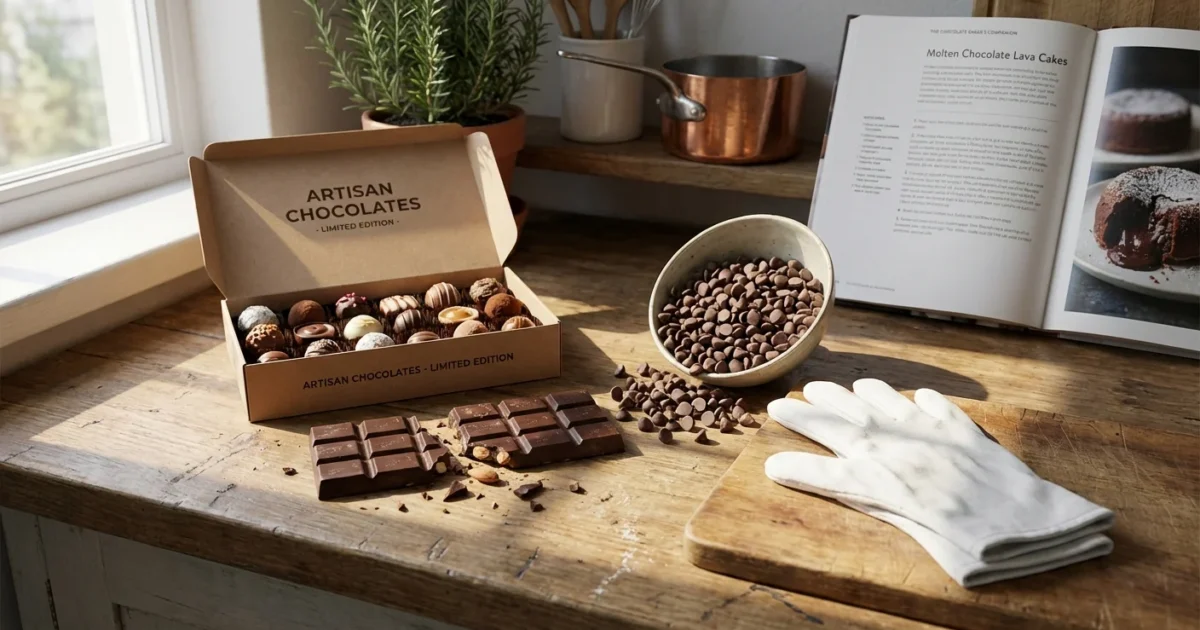
Chocolate is more than a snack. It is the base of countless desserts, from ganache to brownies to mousse. Chefs use it to anchor tasting menus. Home cooks rely on it for birthdays and bake sales. When chocolate gets pulled at scale, it ripples through kitchens. If you are mid menu planning, do a quick safety check before you temper, melt, or chop.
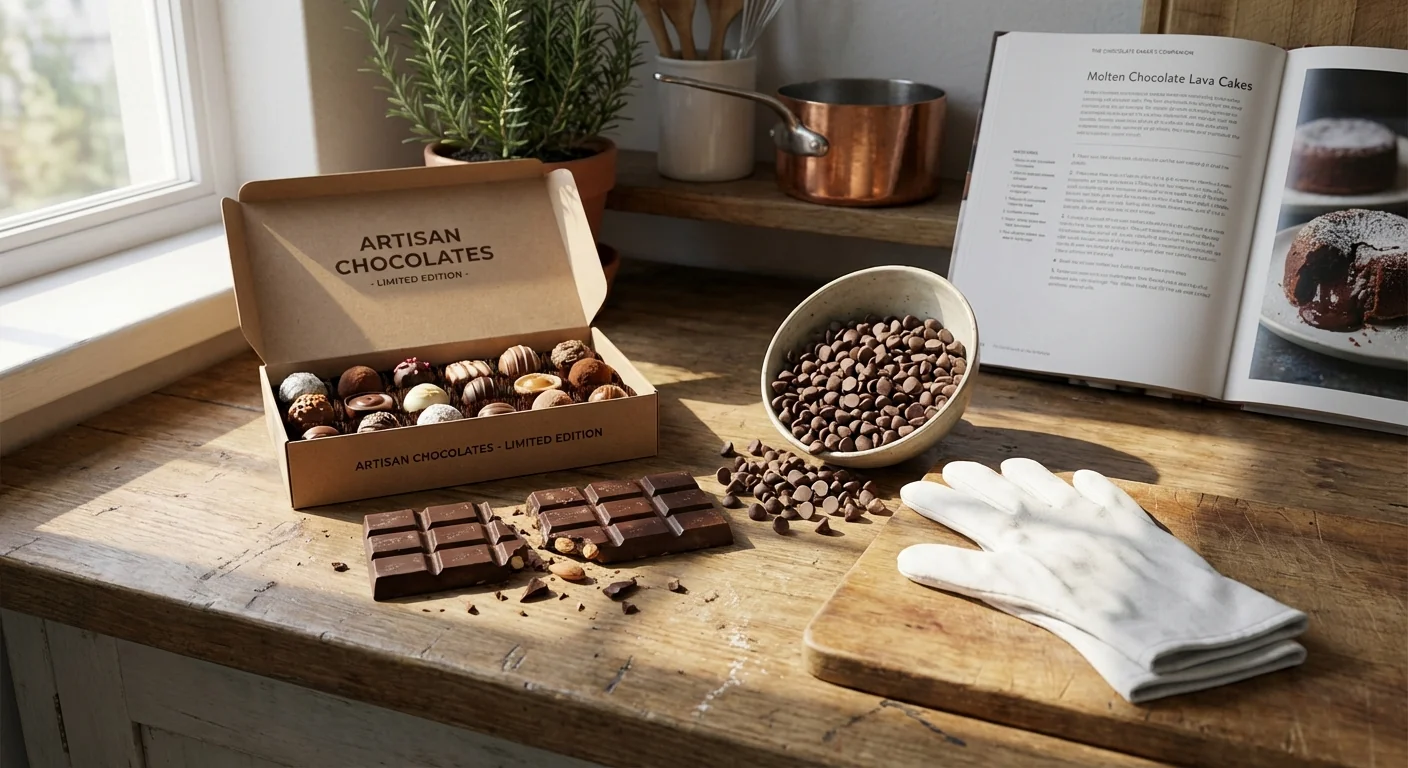
Do not taste a bar to decide if it is safe. If you are not sure, throw it out or return it.
How to check your chocolate now
Move fast, but stay calm. You can confirm your bars in a few minutes.
- Find the brand name, flavor, and size on the wrapper.
- Locate the lot or batch code, and the best by date. These are near the barcode or crimp.
- Compare those codes with the recall notice from the FDA or the company.
- If your bar matches, do not eat it. Bag it, then discard it or return it for a refund.
- Wipe down drawers or containers where the bar was stored.
Snap a photo of your wrapper before you toss it. It helps with returns and keeps your records clear.
If you already ate it, here is what to watch for
Most healthy people recover from Salmonella without treatment, but it can be serious. Symptoms can start within a day, or take a few. Watch for:
- Fever, chills, or headache
- Diarrhea or stomach cramps
- Nausea or vomiting
Young children, older adults, and people with weak immune systems face higher risk. If you have symptoms, contact your doctor.
Hydrate well. If symptoms are severe or last more than a day or two, seek medical care.
Keep dessert plans on track with smart swaps
Your dinner party or bake sale does not need to stall. You have options that avoid affected bars. Baking chocolate from safe lots, chocolate chips, or cocoa powder can fill the gap. If your go to recipe uses chopped bars, you can swap one for one with chips by weight. For frosting or glaze, melt safe chips with a little cream for a quick ganache. Let it cool until spreadable.
For brownies, cocoa based recipes shine. Bloom cocoa in warm butter or oil to deepen flavor. Add sugar, eggs, flour, and a pinch of salt. The texture lands fudgy and rich, even without bars. For mousse, try a cocoa and cream version. Whisk cocoa with sugar and hot water to form a paste. Fold it into whipped cream. It sets light and silky.
White chocolate and blond chocolate are not the same as dark or milk. They behave differently, but they can carry a dessert. Try a white chocolate bark with toasted nuts and dried fruit. Or make a blond chocolate sauce to drizzle over ice cream. Caramel, espresso, and berry sauces also step in when chocolate needs a rest.
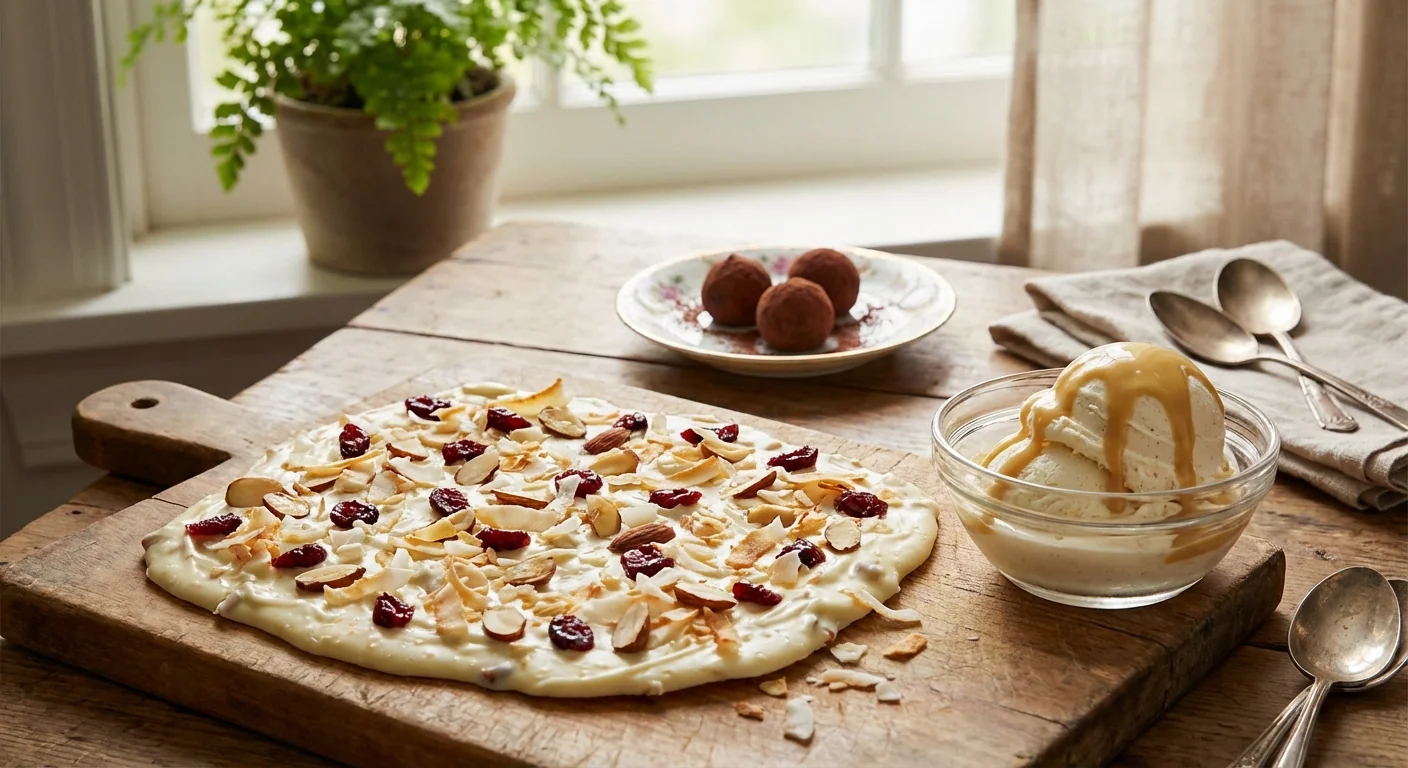
Restaurant pastry teams are pivoting too. Expect menus to swap a chocolate tart for a citrus pavlova, a caramel budino, or a hazelnut praline semifreddo. Chocolate work that relies on specific bars will go on hold while teams confirm stock. That is the right call. Food safety first, flavor close behind.
The bigger picture for diners and makers
We are in a golden age of chocolate, with more bean to bar makers and single origin labels than ever. Recalls remind us that even premium products live in a complex supply chain. Roasting and refining reduce risk, but controls must hold at every step. Clear lot codes and fast traceability protect everyone. When you restock, look for brands that show harvest info, factory dates, and responsive customer care. That transparency matters on days like this.
Home cooks can build a safer pantry too. Store chocolate cool and dry. Keep bars in their original wrappers until you use them. Separate baking chocolate from ready to eat snacks, just like you would with raw meats and produce in the fridge. It is a small habit that reduces cross contact in busy kitchens.
Today is a check, not a panic. Confirm your bars, clean your shelves, and pivot to safe swaps. Chocolate will be back on the menu as supply stabilizes. Until then, let smart technique lead your sweets. I will keep tracking updates and will report new lot numbers or expansions as they post. Stay safe, and keep cooking.