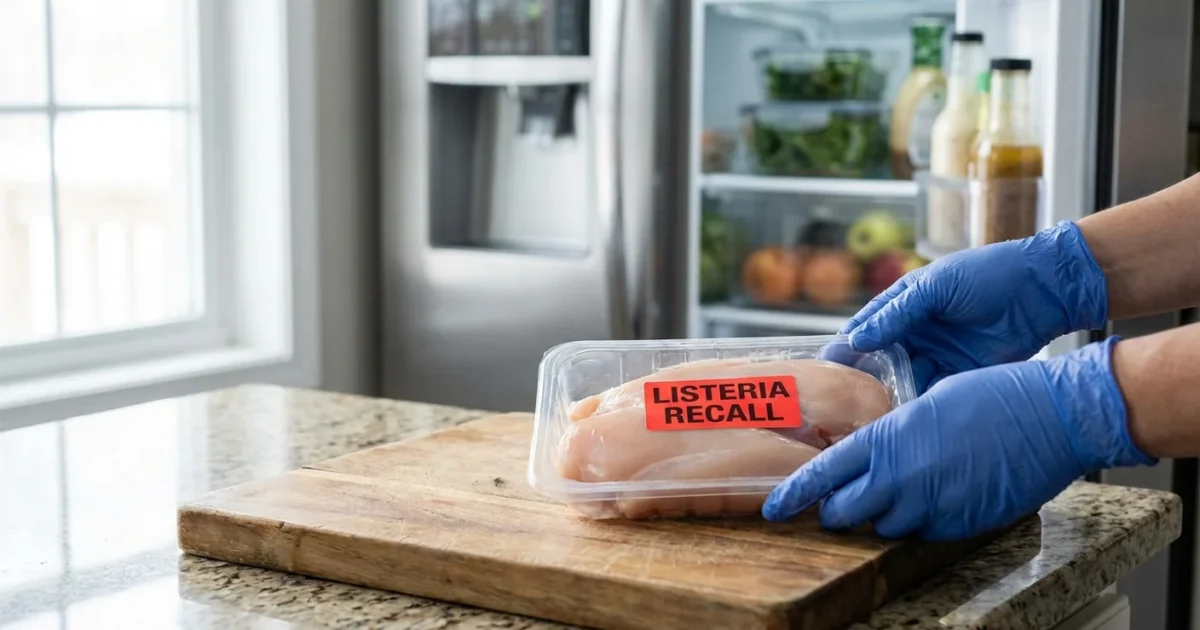
Breaking: I can confirm Suzanna’s Kitchen has recalled about 13,720 pounds of fully cooked, ready to eat grilled chicken breast fillets after Listeria monocytogenes was detected by a third party lab. The product moved through foodservice channels in seven states. No illnesses are reported. The recall was announced January 16 and the guidance is simple. Do not serve it. Do not eat it.
What we know now
The recalled item is a 10 pound case that holds two 5 pound bags of grilled chicken breast fillets. It was produced on October 14, 2025, then shipped to distribution centers in Alabama, Florida, Georgia, Missouri, New Hampshire, North Carolina, and Ohio. Operators in those states should isolate stock now. If you are a home cook who picked up a case through a bulk outlet, treat it the same way.
Listeria is not a routine kitchen bug. It can survive cold storage, and it can multiply in the fridge. That makes this recall urgent for anyone who handles ready to eat proteins, from cafeteria lines to caterers to meal prep fridges at home.
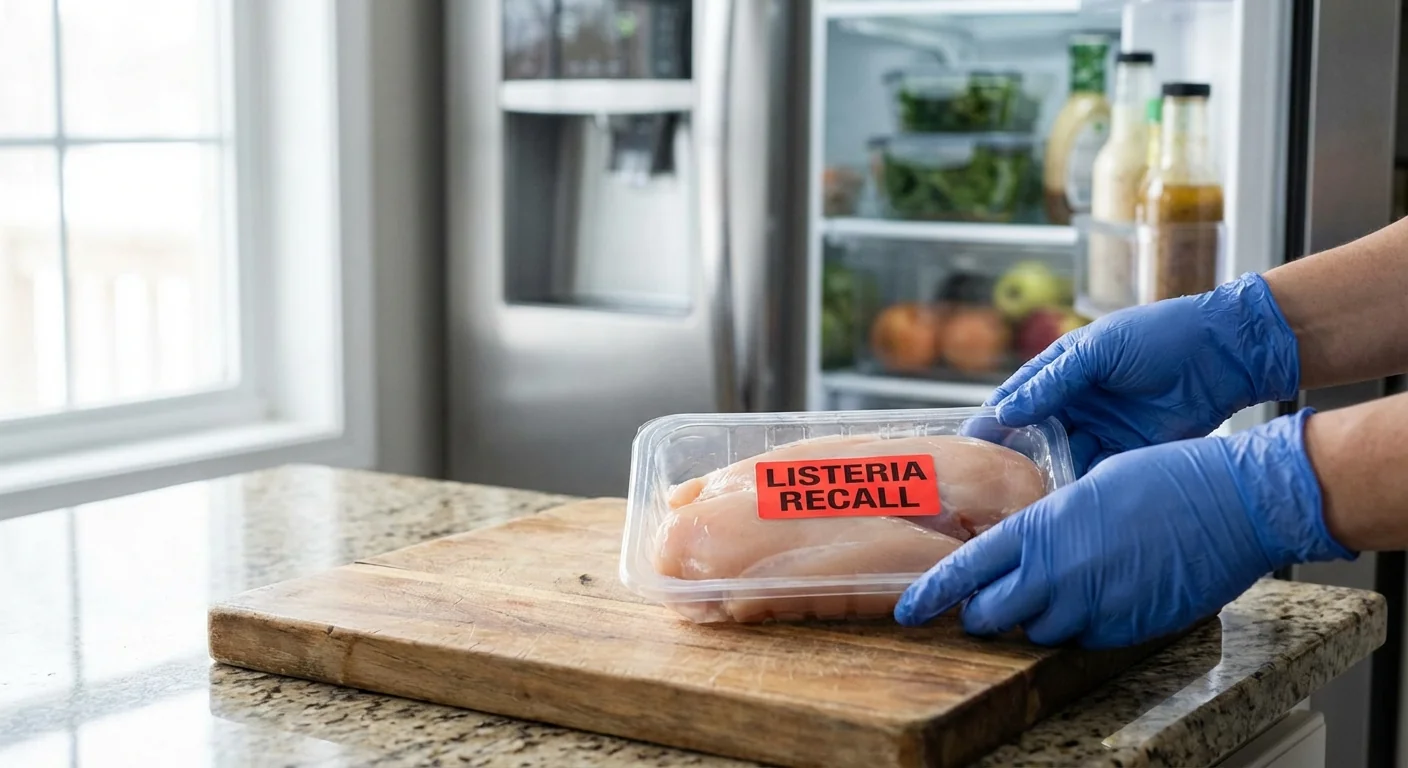
Affected product, Suzanna’s Kitchen fully cooked grilled chicken breast fillets, 10 pound cases with two 5 pound bags, produced October 14, 2025. Do not serve, sell, or eat. Discard or return.
Who is at risk, and what to do right now
There are no confirmed illnesses tied to this recall. Even so, the risk is real, especially for pregnant people, older adults, infants, and anyone with a weakened immune system. Typical early signs look like fever, headache, stomach upset, and muscle aches. Seek medical care if symptoms follow possible exposure.
If this chicken touched your fridge or prep area, clean now. Listeria can hang on in cold, damp spots. Follow these quick steps.
- Empty the area, throw away the recalled product, and bag it before binning.
- Wash shelves and bins with hot, soapy water.
- Rinse, then sanitize with a diluted bleach solution, one tablespoon bleach per gallon of water.
- Wipe dry with clean towels, then wash your hands.
FSIS advises discarding or returning any impacted product. Do not try to reheat and eat it. Cooking can kill Listeria, but cross contamination may already have happened.
Label and segregate. Keep ready to eat proteins on a top shelf, sealed and dated, away from raw items and produce.
How this hits recipes, menus, and meal prep
This chicken sits at the heart of fast casual eating. It is the quick protein on Caesar salads, grain bowls, wraps, panini, and kid friendly plates. Many kitchens lean on it for speed and consistency. Pulling it from service means a fast pivot.
Menus will shift toward hot line prep, or proteins cooked to order. Expect more roast chicken thighs, seared shrimp, and marinated tofu. Salad stations may lean on hard boiled eggs, beans, and tinned fish. Home cooks can swap in these easy moves tonight while supply resets.
- For salads and bowls, use roasted chickpeas, drained tuna, or warm rotisserie chicken you portion at home.
- For wraps, try thinly sliced steak, falafel, or grilled halloumi with a lemony slaw.
- For pasta, toss hot noodles with olive oil, garlic, and white beans, then finish with arugula and lemon.
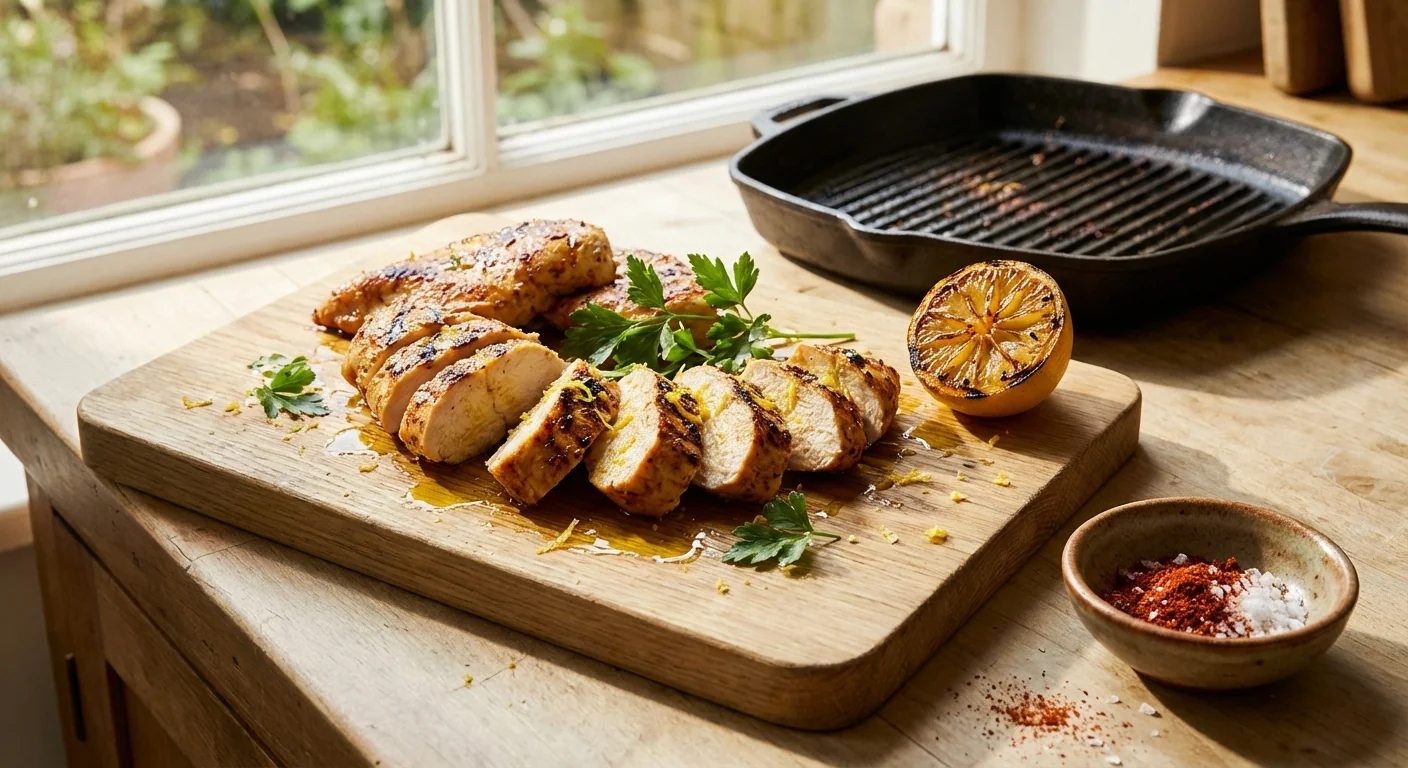
Here is a quick grill pan chicken stand in you can make fresh. Pound boneless breasts to even thickness. Salt, pepper, and coat with olive oil, lemon zest, and smoked paprika. Sear over medium high heat for 4 to 5 minutes per side, until the thickest part hits 165 degrees. Rest 3 minutes, then slice.
Why we keep seeing Listeria in ready to eat foods
This recall lands after a string of Listeria actions on chilled, ready to eat staples. Recent months brought a cheese recall and last year’s prepared pasta outbreak. The pattern is clear. Cold holding does not stop Listeria. Only strong sanitation, tight environmental testing, and strict cold chain discipline do.
Ready to eat meat rooms are the last stop before packaging. If a drain, slicer, or cooler harbor Listeria, it can reach a food that will not be cooked again. That is why oversight of ready to eat lines is under pressure. For operators, this is the moment to retrain, to audit cooler maps, and to refresh sanitizer rotation. For diners, it is a reminder to keep cold dishes cold, eat them soon, and keep fridges clean.
Recalled ready to eat foods are not a cook and serve situation. The safest choice is to discard them, then clean any area they touched.
The takeaway
This is a serious recall, but it is also a workable pivot. The affected chicken should leave shelves and prep tables today. Clean, communicate, and shift menus to cooked to order or trusted alternatives. Our dining culture has always flexed. With clear steps and smart swaps, we can protect guests and still serve great food while the ready to eat supply resets.