Kentucky’s bourbon heartbeat will go quiet. I confirm that Jim Beam will pause production at its main Kentucky distillery for roughly a year, with the halt set to cover much of 2026. The company says the pause will allow major maintenance, upgrades, and a reset of production. For bars, home cooks, and collectors, this is the bourbon story that will shape menus and shelves for the next two years.
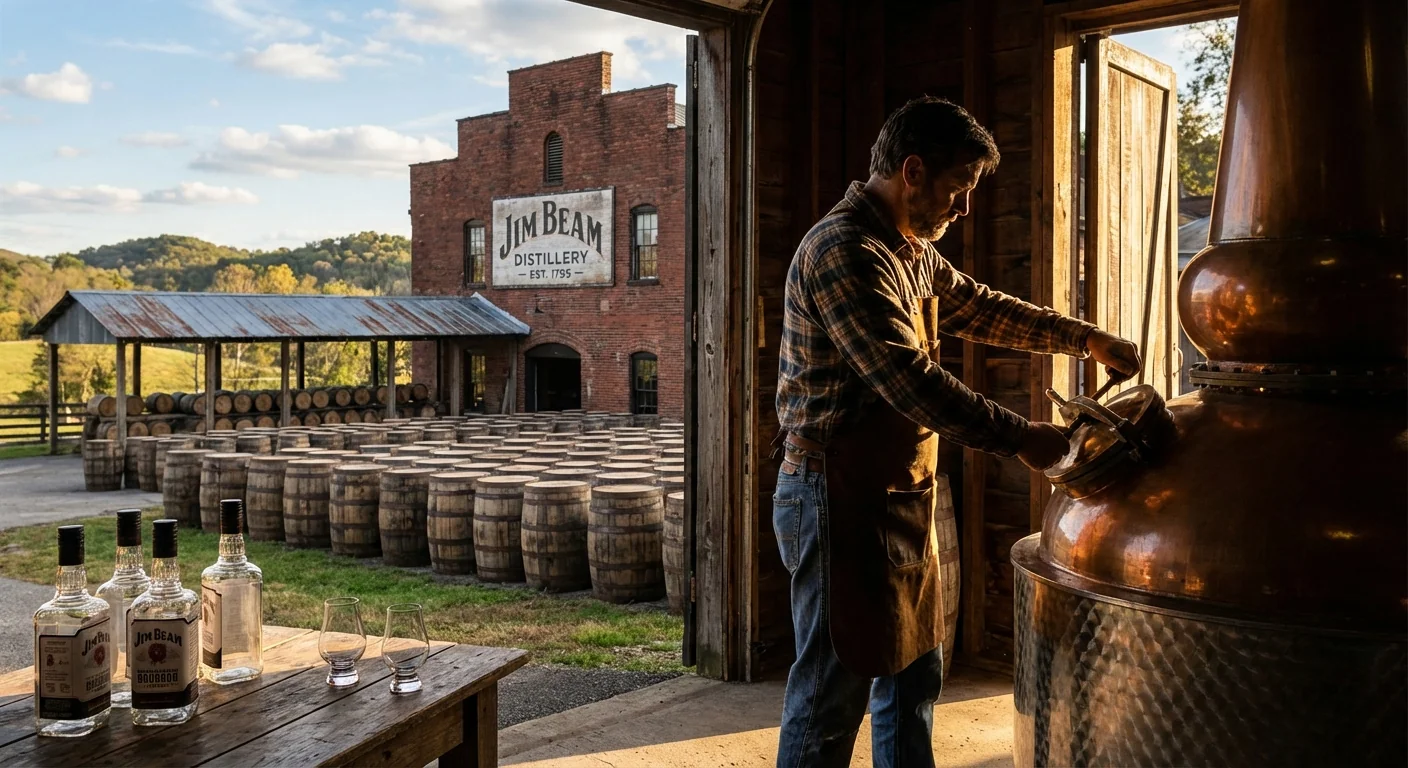
What Jim Beam is pausing, and when
Jim Beam’s flagship distillery will stop distilling for about a year. The timeline stretches into 2026, with a planned restart once work is complete. Bottling and warehousing are separate operations, so some releases can continue. Existing barrels will keep aging in rickhouses. Bourbon is a long game. The mash rests, the wood breathes, the whiskey grows.
The company’s aim is clear. Upgrade the core plant, tighten processes, and set the stage for future output. Final staffing details are being shaped. The expectation is a blend of retained roles, reassignment, and project work during the shutdown window.
Bourbon made today often reaches shelves years later. The supply ripples from this pause will show on release calendars down the line, not only next month.
What this means for supply, shelves, and prices
Jim Beam is one of America’s biggest bourbon makers. That scale matters. Core labels like Jim Beam White Label have deep distributor inventories. High volume brands should remain available, though short-term allocations may tighten regionally. Limited editions, special finishes, and single barrels are more likely to feel the squeeze.
Bars and retailers now face a planning puzzle. Expect sharper control of case counts, and a focus on reliable house pours. Private barrel programs may slow or skip a cycle. Cocktail menus will lean into blends and bonded styles that are still in stock.
- What could tighten first: single barrels, private selections, limited cask finishes, age-stated specialties
Collectors will watch for gaps. Some bottles will rise in price as buyers move early. Smart shoppers will look to sibling labels and bonded alternatives that echo Beam’s profile.
How this hits your glass and your kitchen
Cocktails
Beam’s classic profile is corn sweet, with vanilla and oak, and a soft peanut note. That shape makes it a go-to in highballs, sours, and old fashioneds. If your bar relies on Beam for balance, you have options. Four-year bonded bourbons keep a firm backbone. High rye bourbons add spice where sweetness drops. Blended bourbons can keep a menu stable for months.
- Smart swaps for Beam-style drinks: bottled in bond bourbons, mid-proof high rye bourbons, blended bourbon with vanilla-forward notes
Batch your house old fashioned with a blend of two bourbons. One softer, one spicier. You will protect flavor even as single labels come and go.
Cooking
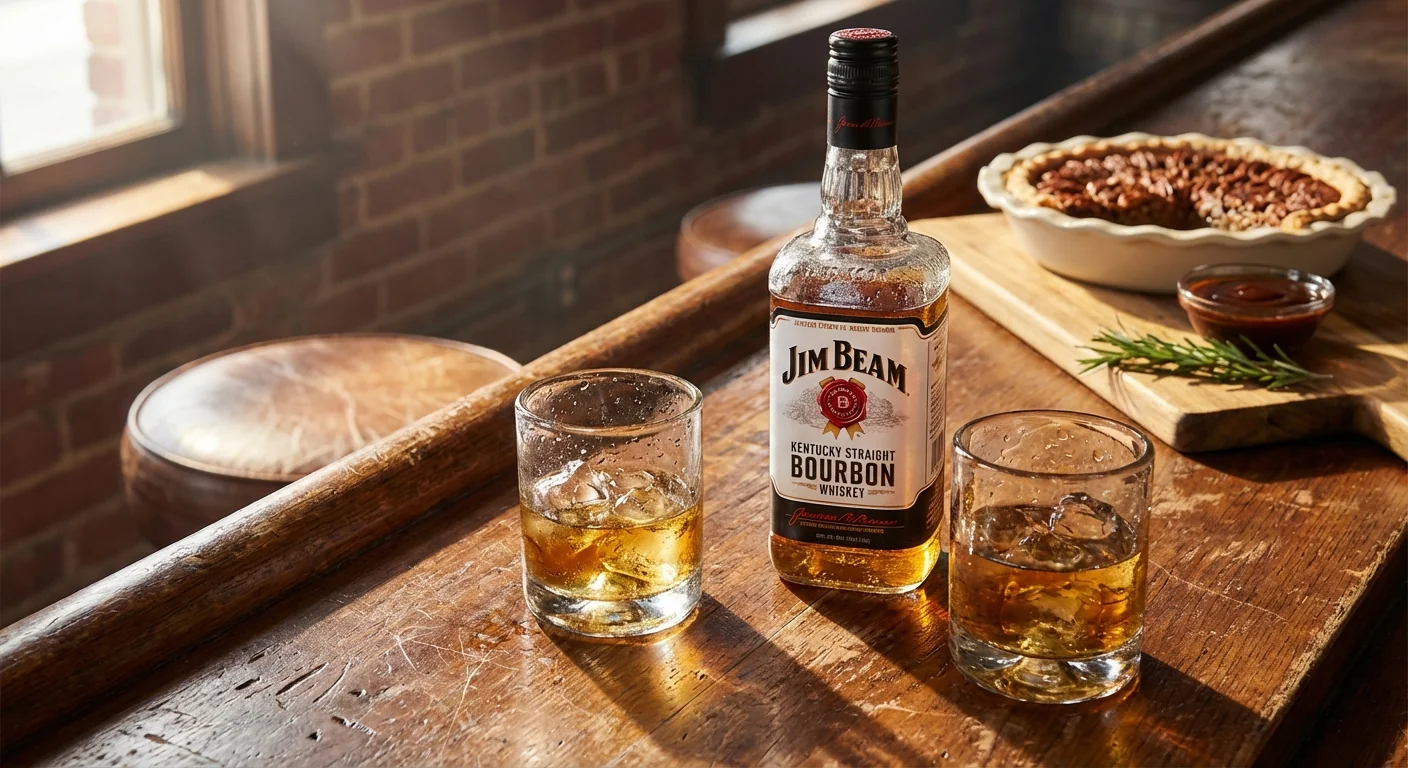
Bourbon is a kitchen tool. Glazes, pie fillings, and barbecue sauces all rely on those caramel notes. If Beam becomes hard to find in your area, pick any mid-proof bourbon with vanilla and oak in the nose. Avoid heavy smoke or super high proof for desserts. For savory, a rye-leaning bourbon gives lift to reductions.
Try this quick swap:
- For bourbon pecan pie, use 2 tablespoons of a 90 proof vanilla forward bourbon.
- For bourbon barbecue sauce, add 3 tablespoons of a bonded bourbon, simmer to reduce by half.
- For pan sauces, deglaze with 2 ounces, then whisk in butter off heat.
Tourism and the Bluegrass economy
Kentucky’s bourbon trail runs on tours, tastings, and restaurant traffic. A pause at the flagship will be felt in Bardstown area hotel bookings, tasting rooms, and local dining rooms. Expect visitor flow to shift to other distilleries, and more interest in rickhouse visits and heritage experiences still open.
Restaurants near the distillery will pivot. Look for bourbon flight features from other producers, and chef menus that keep whiskey at the table in sauces, brines, and desserts. The food culture here is resilient. Bourbon touches everything, from the glaze on hot fried chicken to the butter on cornbread.
If you plan a 2026 bourbon trail trip, confirm tour availability before you book. Some visitor experiences may be limited during the pause.
What to watch next
I will track three signals. First, the precise downtime start date, and any partial runs during the year. Second, the company’s plan for core labels, especially White Label, Black, and bonded releases. Third, how private barrel programs are scheduled, or reshaped.
Bars should review their fall 2025 to spring 2027 bourbon mapping now. Distributors will set allocations early. Home buyers should think in seasons, not weeks. Aim to keep your bar cart steady with two everyday bourbons, one bonded, and one special bottle you do not rush.
The bigger picture is this. A short pause can set up the next decade of whiskey. If the upgrades deliver cleaner fermentations and steadier yields, the payoff reaches every pour. For now, the quiet at the stills will make a lot of noise in our glasses. Kentucky will carry on, the rickhouses will hum, and the recipes will adapt.