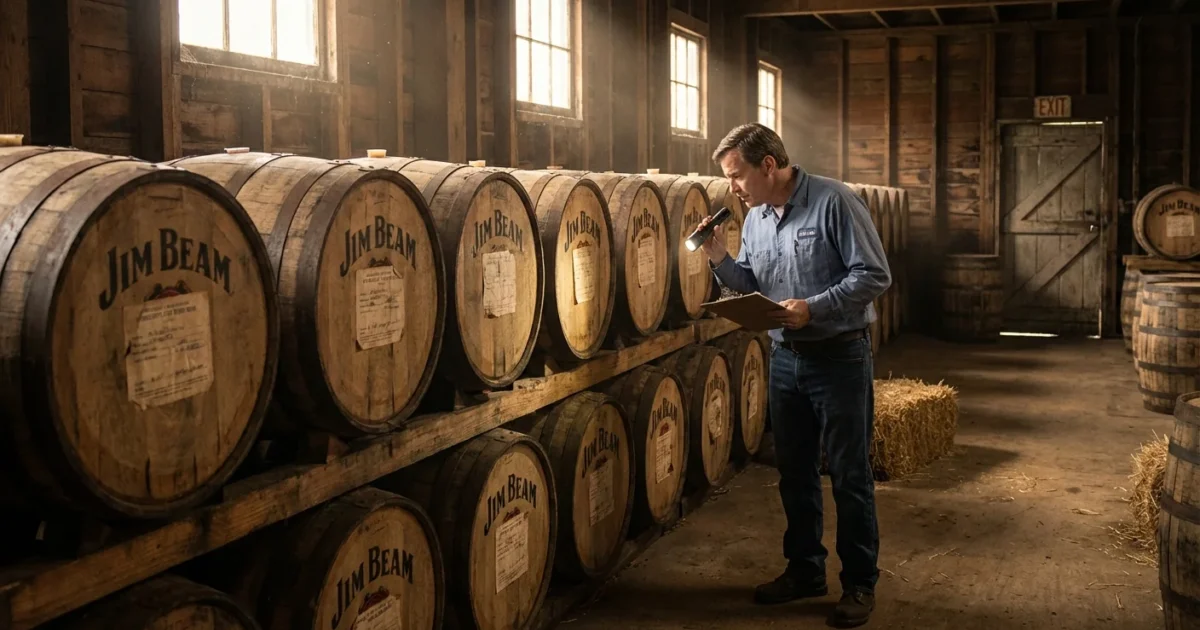
BREAKING: Jim Beam pauses production for a year, sending a jolt through bourbon country. I can confirm the flagship Kentucky distillery will go quiet as the company reassesses supply, aging inventory, and future demand. Leaders are also reviewing long term plans for the site in 2026. That decision is not final. For a category built on patience and barrels, this is a hard stop with wide ripples.
What the pause really means
Bourbon runs on time. Distillers lay down whiskey today for drinkers five, eight, or twelve years from now. A one year production pause will not empty shelves next week. It will show up later, in gaps for specific age statements and limited runs. The everyday gallon jugs will likely remain, but small batch and single barrel lines could tighten.
This is a correction after a long boom. Warehouses are full across Kentucky. Many brands filled barrels at record rates, betting big on endless thirst. That bet is now being trimmed. Corn prices have eased, but barrel costs, storage, and insurance keep rising. Angel’s share loss does not slow down. When the math changes, production follows.
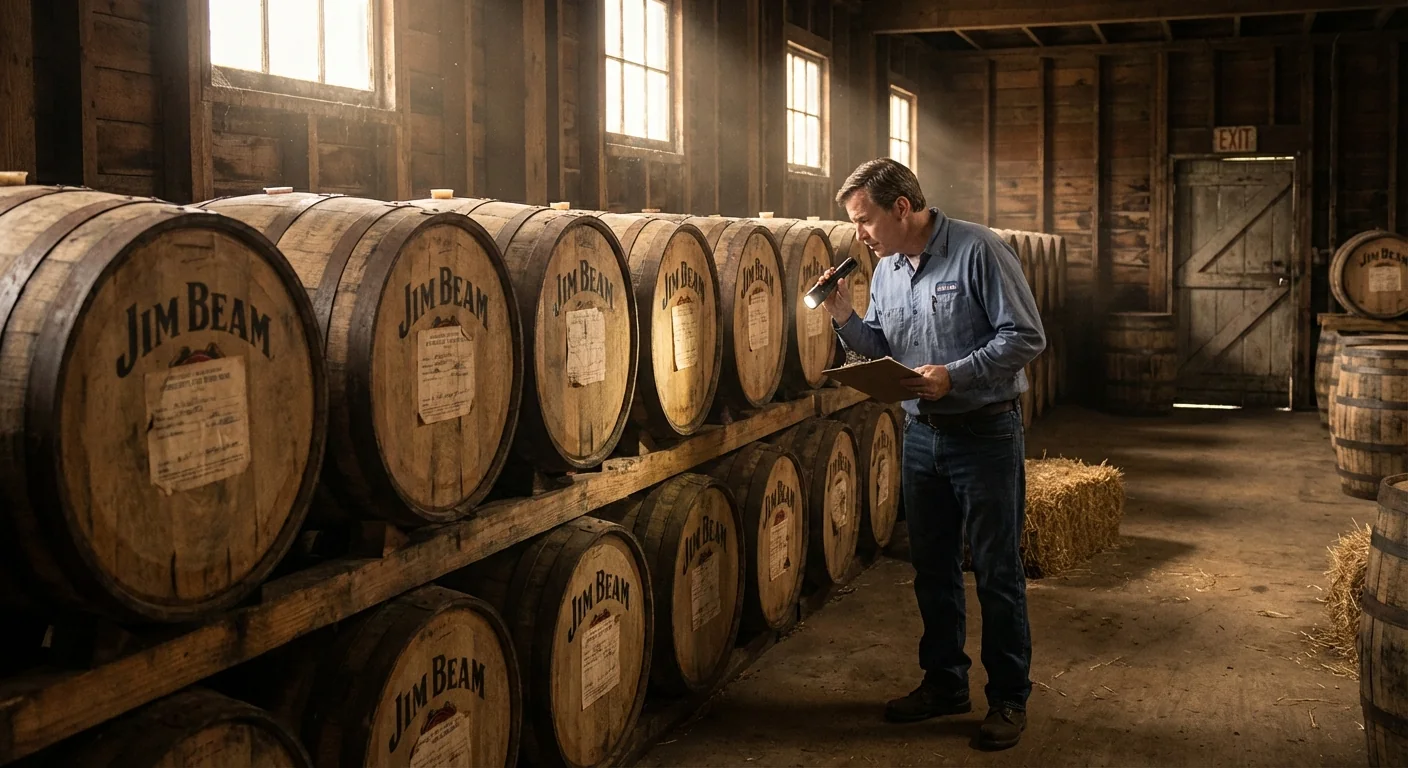
Beam’s portfolio is broad, from mixing staples to higher tier sippers. The pause at the flagship site will push the company to lean on existing stock and secondary facilities. Expect a shift in blend strategies. House styles will stay familiar, but batch composition may evolve as older and younger lots are rebalanced.
Key takeaway, the impact arrives on a delay. The biggest squeeze will be on age stated and single barrel bottles two to six years from now.
Why kitchens and bars should care
Bourbon is more than a pour. It is a pantry workhorse. Chefs glaze ribs with it, bake pies with it, and reduce it into shiny pan sauces. Bartenders build the American cocktail canon on it. A production pause at the country’s best known bourbon house will guide menu choices this year and next.
In the short term, house bourbon picks stay safe. Bar programs should watch mid tier icons and store picks. Allocations could shrink. That will nudge menus toward rye, American single malt, and agave spirits. Expect more Boulevardiers in place of Manhattans, and a fresh wave of split base Old Fashioneds, half bourbon, half rum or rye. 🥃
For cooks, substitutions are simple. Use bourbon where the recipe calls for depth and a hint of vanilla and caramel. If a label becomes scarce, swap in a mellow rye or a dark rum, then dial sweetness down by a teaspoon to keep balance.
Cooking swap, for every 1 cup bourbon, try 3 parts mellow rye to 1 part dark rum. Cut sugar in the recipe by 1 tablespoon.
The barrel problem, in plain language
Warehousing is the heart of bourbon. Each new charred oak barrel is a promise made to the future. Barrels must be bought, filled, rolled, insured, then watched for years. That cash is locked up until bottling day. When demand cools, a producer can slow fills to protect margins and preserve quality standards. That is what is happening here.
Shorter aging can rush flavors, so the smarter play is to pause, then let current stock mature. Beam is choosing the patient route, and that signals discipline. It also hints that other large houses may trim output to right size supply.
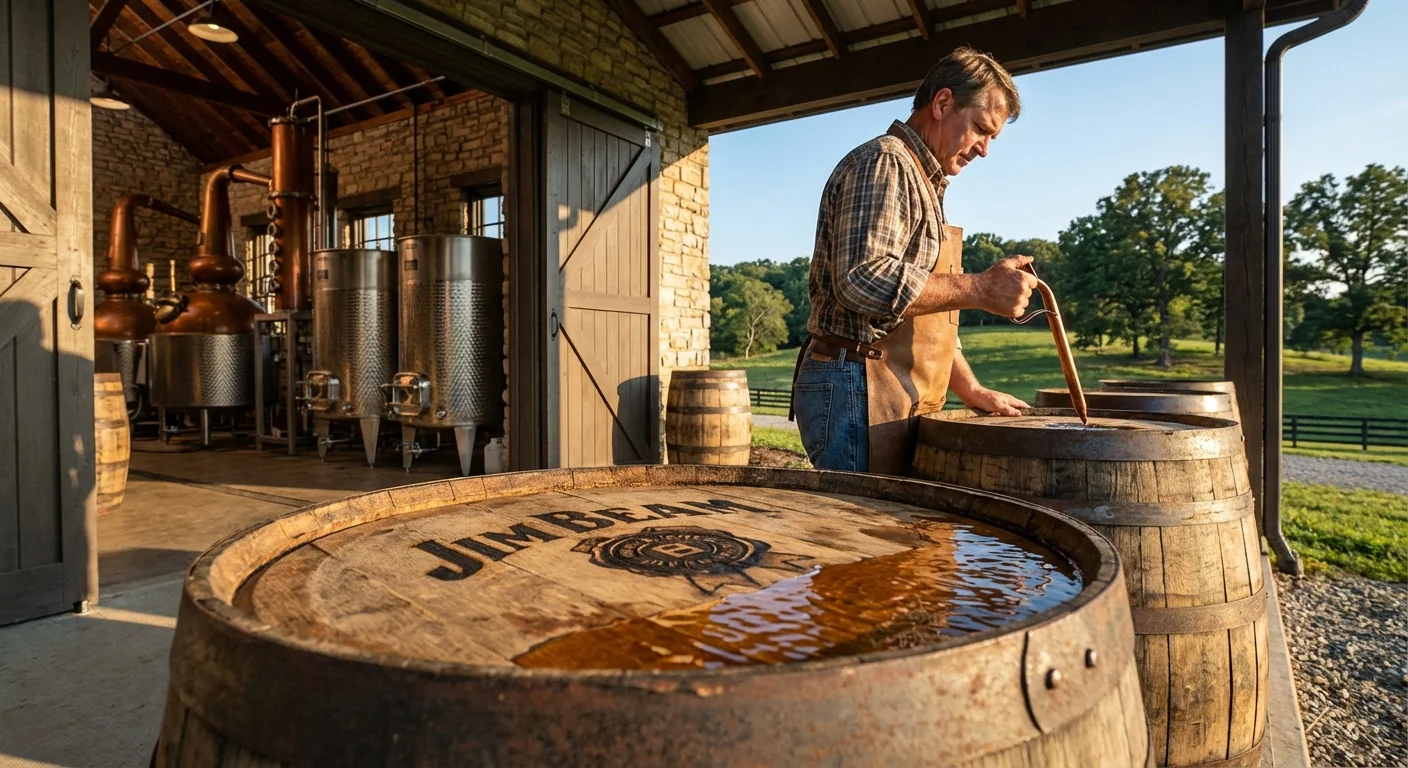
What collectors should do now
Limited releases were already tight. A delayed production year sets up lean windows for certain age bands down the road. Expect more non age stated blends and cask finishes to bridge gaps. Secondary prices will try to jump. Do not panic buy. Focus on drinkers, not trophies. Know your favorite proofs and flavor notes, then shop across labels with similar mash bills.
- Prioritize bottles you actually open
- Track vintage codes, not hype names
- Taste across rye and American single malt
- Build relationships with local shops
Beware hoarding and steep markups. Price spikes feed volatility, not enjoyment.
Big brands and craft, different playbooks
Beam can ride inventory and adjust blends at scale. Craft distillers often carry less aged stock, but they move faster. Expect craft to lean into finishes, toasted barrel programs, and creative grain bills. White corn, chocolate malt, and heirloom rye will get more menu space. Meanwhile, larger houses will double down on high volume core whiskeys, and slowly feed premium lines as barrels come of age.
Restaurants will mirror that split. Steak houses will keep a dependable house bourbon and shift the flights toward rye and malt. Cocktail bars will explore smoked woods, honey ferments, and low proof bourbon spritzes for longer sipping sessions.
The bottom line
A one year production pause at Jim Beam marks a new phase for American whiskey. The boom has matured. The next chapter prizes balance, smart aging, and thoughtful use. Consumers will still find solid pours, cooks will still glaze and bake, and bars will keep the lights low and the ice clear. The difference will be focus. Fewer throwaway bottles, more intent in every barrel and every glass.