BREAKING: America’s drive-thru map is about to change. I can confirm that major fast-food and casual chains are closing hundreds of locations, and a wave of beloved local spots is going dark. This is not a blip. It is a reset in how, where, and what we eat.
The Closures Hitting Now
Jack in the Box is shutting 150 to 200 underperforming restaurants, with 80 to 120 set to close by the end of 2025. Seventy two are already closed. The company reported an 80.7 million dollar net loss for its fiscal year ending in September 2025. It is pruning hard and moving to a leaner model.
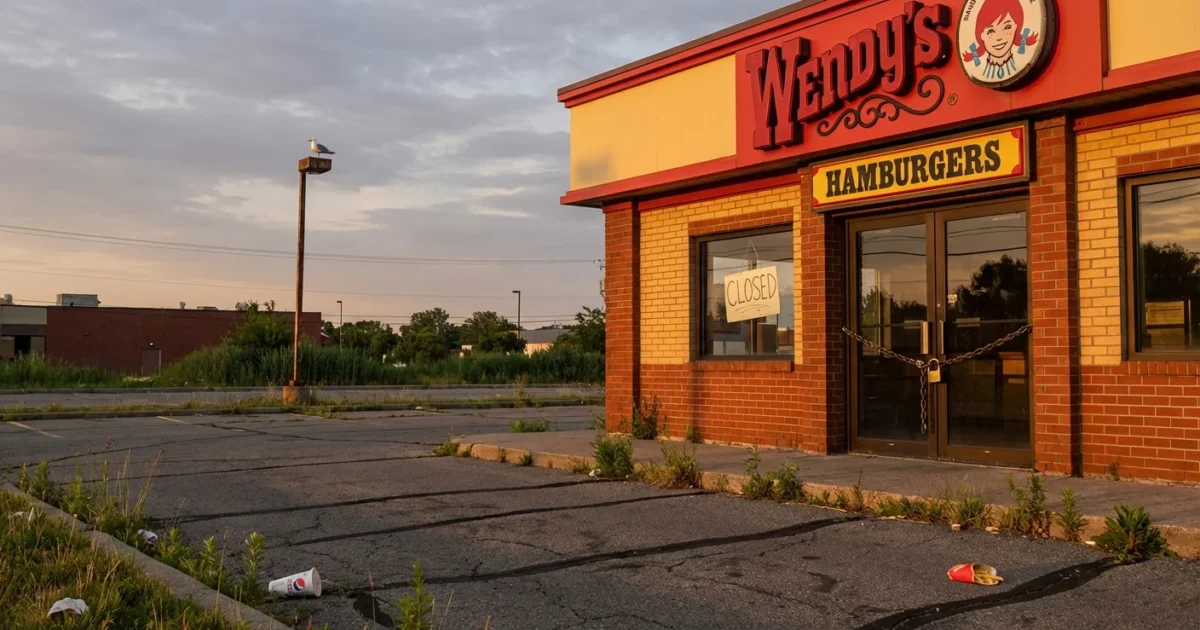
Wendy’s will close a mid single digit share of its almost 6,000 U.S. stores, roughly 250 to 300 units. Closures begin in the fourth quarter of 2025 and will continue into 2026. Same store sales have slipped this year, and net income is down. Expect some remodels, some transfers to new operators, and many locks on doors.
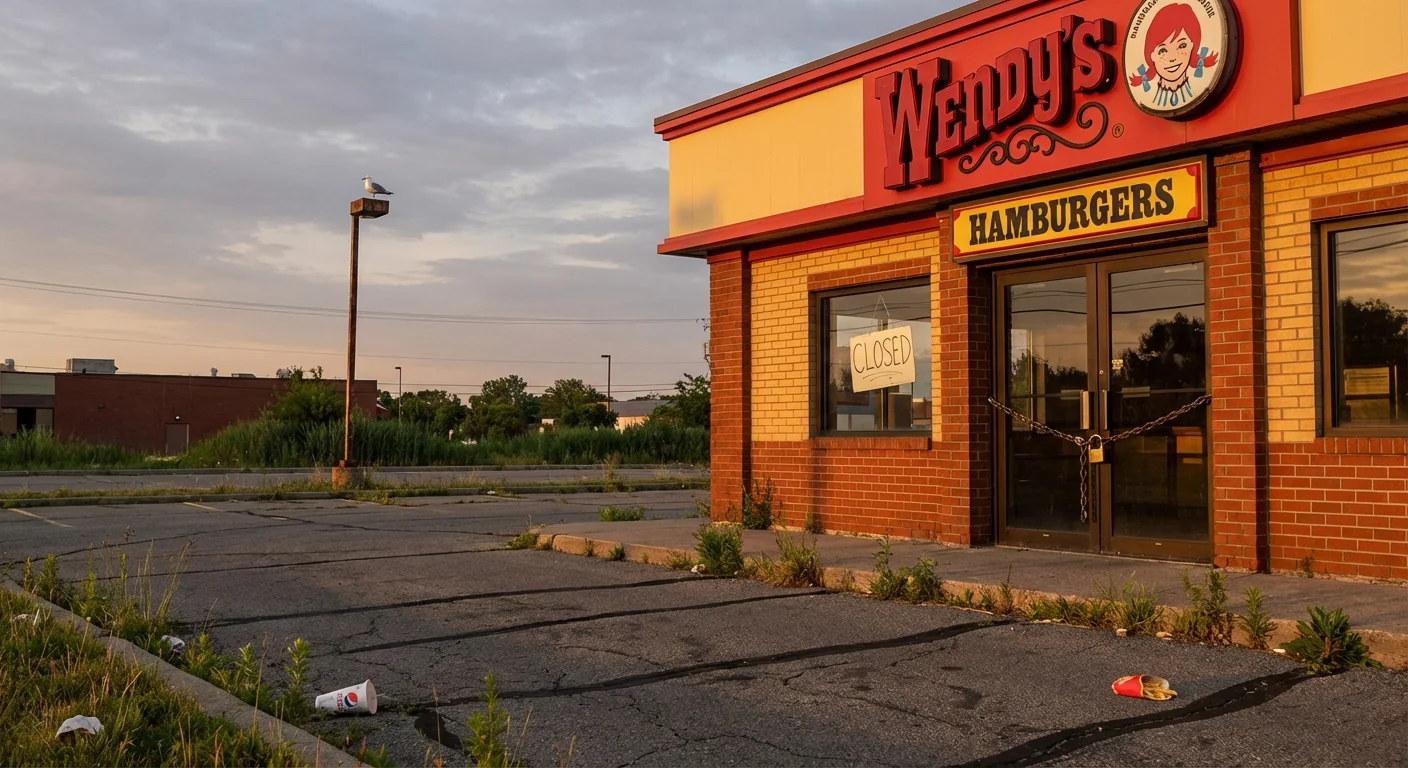
Whataburger is trimming eight locations across Tennessee, Alabama, and North Georgia. That is less than one percent of its footprint. The brand still plans new openings next year. Subway has already closed more than 500 U.S. shops in 2025, as it tightens its network. Noodles and Company is exiting about 20 sites. In the Southeast, K and W Cafeterias shut down for good.
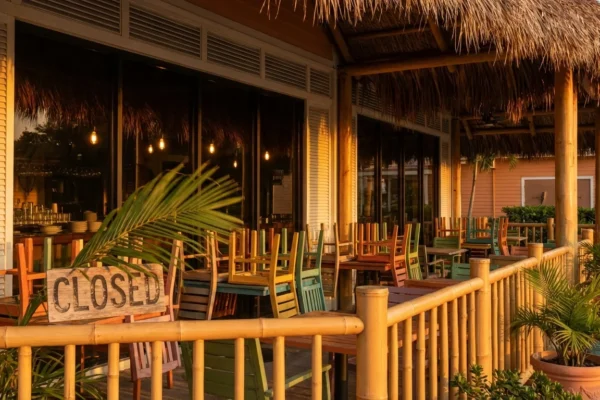
The pain is local too. In San Diego, Las Cuatro Milpas, open since 1933, served its last tortillas. In the East Bay, bakeries and cafes have folded under heavy costs. A Newport Creamery in Rhode Island closed early after a lease ended. Each name is a story, a menu, and a dining room that mattered.
Large chains are closing stores to save the whole system. Independents close when the math breaks in a single zip code.
Why This Is Happening
Costs are stacked. Beef is volatile. Fry oil, flour, and dairy are not cheap. Wages are higher, which workers deserve, but operators feel it. Commercial rents have climbed, and older buildings need repairs. Delivery fees eat margin. Remote work has shifted lunch away from downtown. Late night traffic is softer in many markets.
Chains are responding with sharper plays. Jack in the Box has pulled cash back to the core, and sold its Del Taco brand to refocus. Wendy’s is leaning into five and eight dollar meals to chase value. Several brands are moving to smaller footprints, double drive thrus, and fewer dining rooms. Many are adopting asset light strategies, which means fewer company owned stores and more franchise partners. It spreads risk and cuts capital needs.
For franchisees, this is the squeeze. Loans taken before rates spiked are harder to service. Food costs rise when a contract resets. A broken fryer could be the breaking point.
Expect more closures where rents are high, leases are old, and drive thru access is limited. Those locations are first to go.
What It Means For How We Eat
The value battle is back. Combo deals rule the menu board. Guests are trading down from premium burgers to simple double stacks. Casual dining chains with strong weekday deals are stealing traffic from fast food at dinner.
At home, cooks are adapting. We are already seeing more batch cooking, more rice bowls, and smart swaps away from pricey beef. Flavor is not the casualty here, waste is.
- Five minute smash burger, blend 70 percent ground beef with 30 percent mushrooms, sear hard, stack with onions and pickles.
- Air fryer chicken tenders, five ingredients, toss in hot honey after.
- Copycat chocolate frost, milk, cocoa, sweetened condensed milk, pinch of salt, freeze and blend. 🍦
- Rice bowl, charred broccoli, soy glaze, fried egg, crispy garlic.
Stretch sauces. One cup of chipotle mayo turns fries, chicken, and veggie bowls into three different meals.
What Comes Next
This is not the end of fast food. It is a reshaping. Expect more closures through 2026, but also smarter openings. Drive thru only boxes will multiply. Breakfast will see new value builds. Chicken and pork will rise on menus if beef stays pricey. Beans and grains will get star billing in chilis, stews, and bowls.
Operators that make it will do three things well. They will price with care, focus on speed and consistency, and keep menus tight. They will partner with suppliers for steady pricing, even if it means simpler specials. They will invest in real hospitality, even at the window, because a kind handoff still wins loyalty.
For workers, the next year is choppy. Some will move within brands as units shift. Others will exit the industry. For diners, expect fewer lights on at midnight, longer lines at value spots, and a fresh wave of copycat cooking at home.
I will keep tracking every closure and every smart pivot. Tonight’s headline is hard. Tomorrow’s playbook is already being written on the line, one burger, one bowl, one careful lease at a time.
Conclusion: The closures are real, the reasons are clear, and the menu is changing. The brands that survive will serve value and comfort without waste. The rest will clear the board for operators who can.