Cracker Barrel has a new dining rule, and it starts at the employee table. I’ve confirmed the company has rolled out an internal travel policy that asks staff on work trips to eat at Cracker Barrel when it is available and feasible. It is meant to drive brand immersion and capture feedback. It also keeps meal dollars inside the house. The move has sparked laughs and side-eye. It also hints at a bigger reset inside one of America’s most famous comfort food chains.
What the new rule actually says
The policy covers employees who travel for work. It guides where they eat and expense meals on the road. The message is simple. If there is a Cracker Barrel nearby, pick it.
- Choose Cracker Barrel when available and reasonable
- Use the visit to observe service, food, and atmosphere
- Share feedback after the meal
- Expense within normal per diem limits
This rule does not apply to customers. It applies only to employees on work trips.
This is not a ban on other restaurants. The language gives room for timing, location, and dietary needs. But the signal is clear. Taste the brand, then help improve it.
Why this matters for food culture
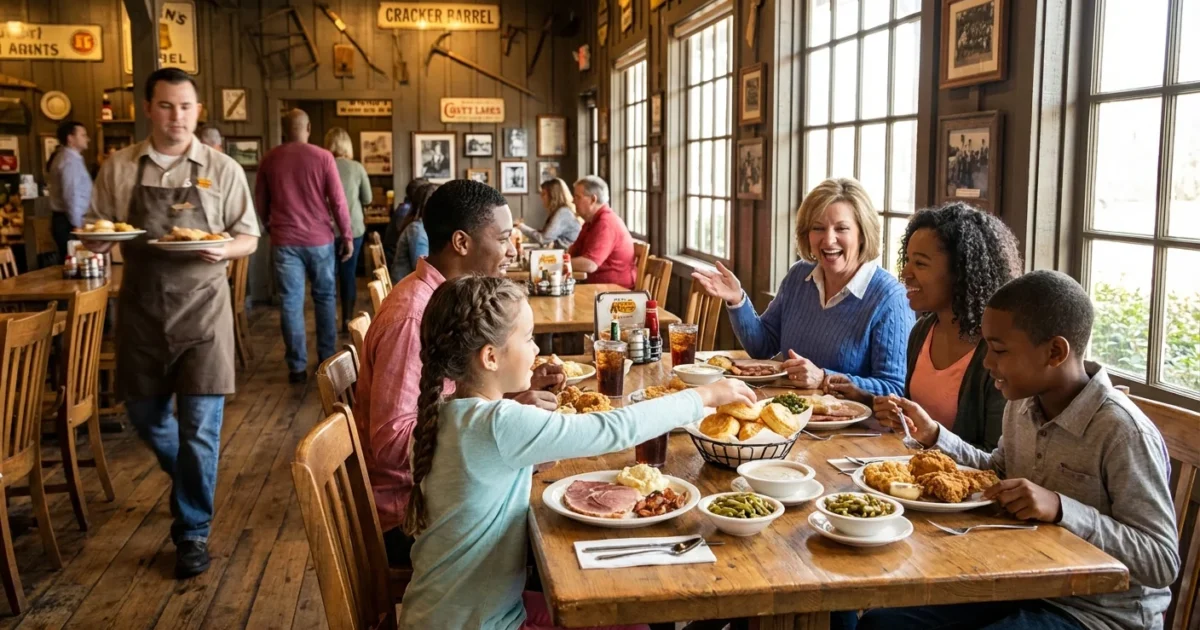
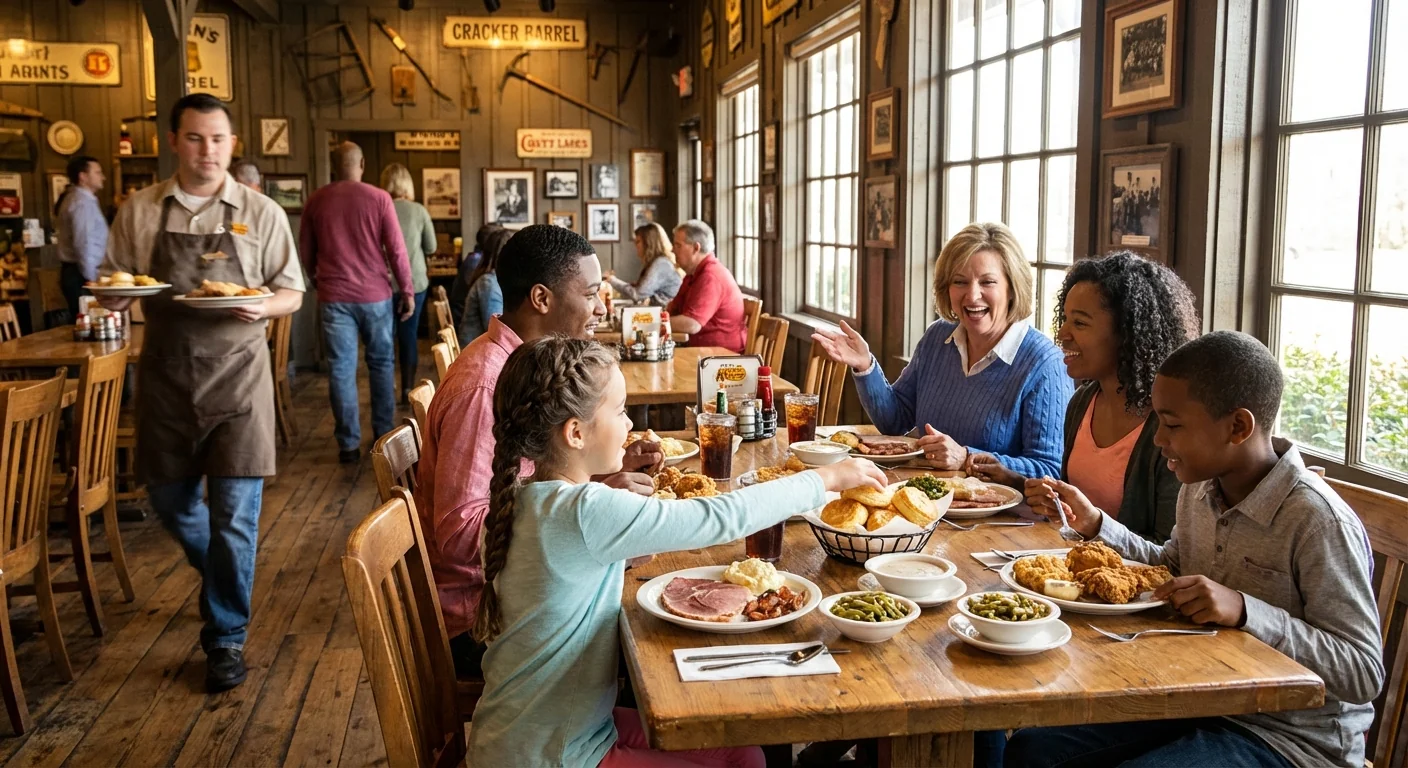
This is a dining rule with a recipe mindset. Cracker Barrel is built on repeatable comfort. Biscuits. Hashbrown casserole. Chicken and dumplins. Thick-cut bacon. Sweet tea in chilled glasses. The power of that menu lives in how it travels across regions. A policy like this turns every business trip into a field tasting.
Field tasting, but make it breakfast
Think of a traveling manager in Phoenix at 7 a.m. She orders buttermilk pancakes and country ham. She notes the color on the griddle, the chew, the salt level, and the speed. At dinner in Nashville, another teammate tries meatloaf and fried apples. He clocks the crust, the gravy warmth, and the portion balance. These are not casual bites. They are sensory checkpoints that roll up into menu and ops changes.
For a chain, that loop is priceless. It can expose hot spots on grits texture in the Southeast. It can show where green beans tip too salty in the Midwest. It can validate new items, like lighter sides or a seasonal cobbler, before a national push. In a turnaround, taste is data.
The upside of the rule
At its best, this is smart, old-school R and D. It puts eyes and forks on the product daily. It also centers a shared food language after a bumpy stretch for many legacy brands. Value pressures are real. Dining routines are in flux. Comfort still wins, but it must feel cared for.
There is a cost angle too. Keeping expense spend in-house protects margins. It creates a closed loop from P and L to plate. That can fund small upgrades that guests notice. Warmer plates. Faster coffee refills. A fluffier biscuit, thanks to a tighter bake window.
Feasible still matters. Late flights, long drives, and dietary needs can push staff to other choices.
The risk and the optics
There is another read. The travel rule can look heavy-handed. Food people like to eat around. A road trip is a chance to scout the taqueria next door, or a diner with a legendary pie. That cross-pollination feeds creativity. If staff feel boxed in, the rule could drain morale. It can also trigger jokes that crowd out the serious work.
Optics count in dining culture. A beloved chain wants to feel generous, not strict. A policy like this must be framed as a listening tour with forks, not a lock. It needs to show up in better plates and friendlier rooms, fast. Guests forgive rules when the food gets better.
What it signals about the turnaround playbook
This policy tells me Cracker Barrel is tightening the loop between culture, cost, and craft. Legacy brands that win in the next wave will do the same. They will invest in the main thing, the plate and the porch. They will streamline the rest. Expect more training around seasoning accuracy and cook times. Expect sharper focus on breakfast, where the brand still hums. Expect seasonal tweaks that respect the core, like peak-berry toppings or brighter greens.
I will watch for two proof points. First, consistency. Does the cornbread in Ohio taste like the cornbread in Georgia. Second, agility. Can the kitchen adjust quietly when field notes flag a miss. If those improve, the rule will read as smart stewardship, not a scold.
The real story is not where staff eat. It is whether guests taste the change.
The bottom line
Cracker Barrel’s new dining rule is a fork-first strategy. Use every trip to eat the food, study the room, and bring back notes. It can be a clever blend of brand pride and cost discipline. It can also backfire if it feels like control. The outcome will show up on the plate. If biscuits rise higher and service tightens, the porch wins. If not, the jokes will write themselves. For now, the company is betting that immersion, plus comfort, still sells. Honestly, that is a bet worth tasting. 🍳