A major chicken recall just hit refrigerators across seven states, and it touches how many of us actually eat. I can confirm ready to eat grilled chicken breasts are being pulled from stores and home kitchens due to possible Listeria monocytogenes contamination. About 13,000 pounds are involved. If you build salads, wraps, or grain bowls with pre cooked chicken, this is your moment to pause, check labels, and act fast.
What is being recalled right now
This recall targets refrigerated, fully cooked, sliced or whole grilled chicken breasts. These are the tidy packs you grab for quick meal prep. They are sold as a ready to eat protein, often near deli meats and salads, not in the raw meat case. Distribution spans seven states, with product moving through national and regional retailers.
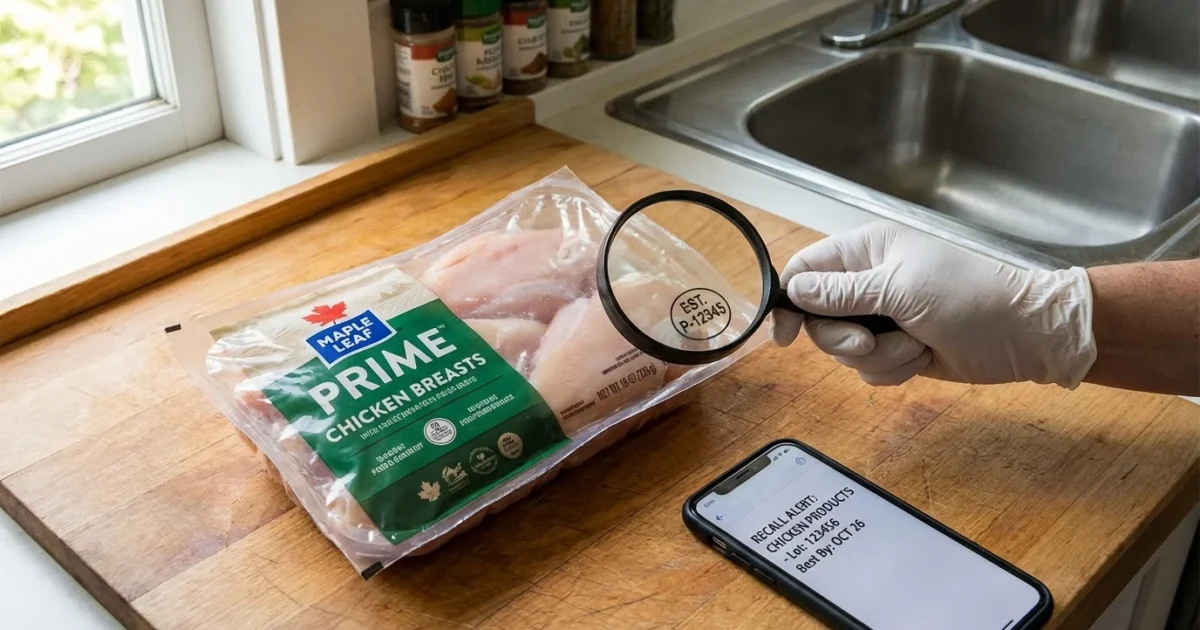
You will need to verify details on your package. Focus on the product name, best by date, lot code, and the establishment number stamped near the USDA mark of inspection. Match those to the official USDA FSIS recall notice and any posted lists at your retailer.
- Check the brand, product description, and weight
- Find the lot code and best by date
- Locate the establishment number by the inspection mark
- Compare all three to the recall notice before deciding
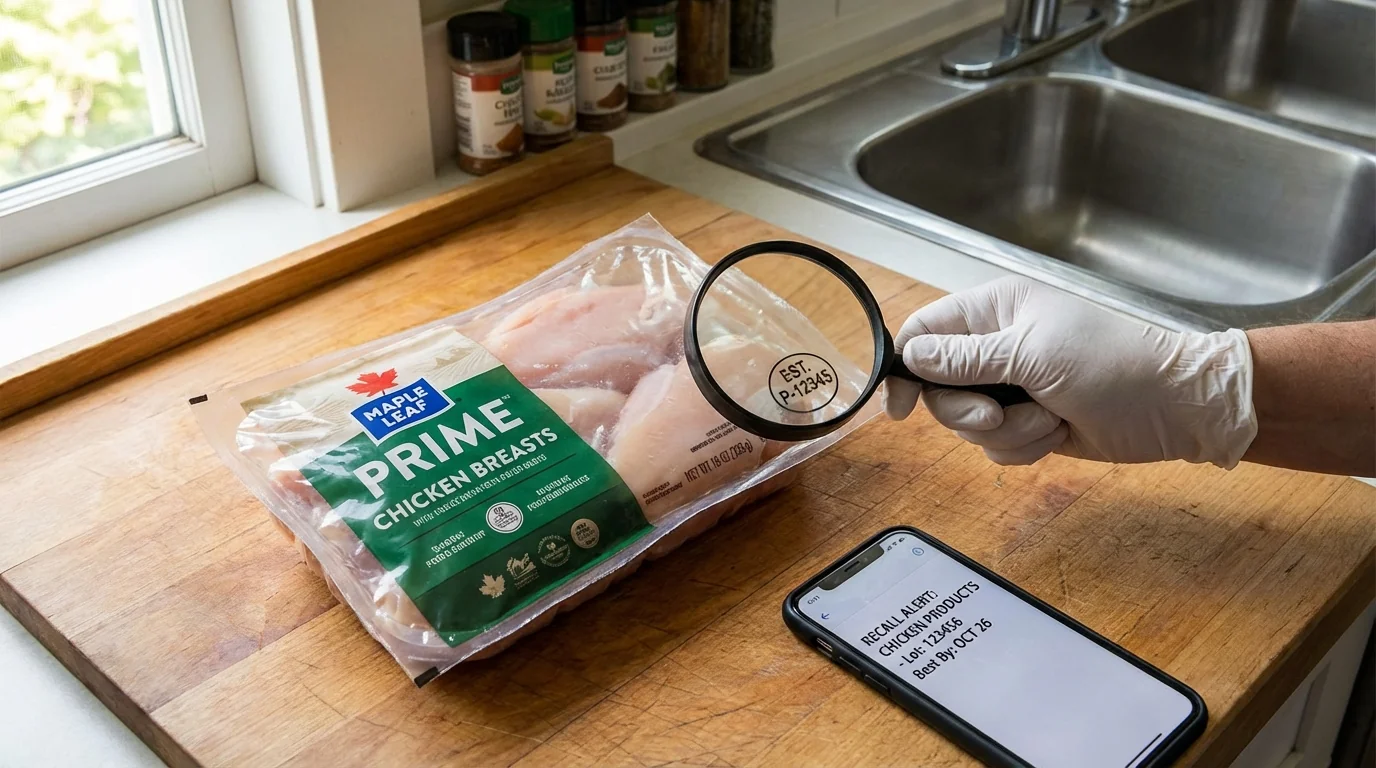
Do not taste the chicken to check safety. If it is part of the recall, discard it or return it for a refund.
Why this recall matters for food lovers
Listeria monocytogenes is not a typical spoilage bug. It can grow in the cold, even inside your refrigerator. That is what makes ready to eat meats a unique risk. We build meals with them straight from the package. No skillet. No simmer. No kill step.
Unlike raw chicken, which you cook to 165°F, these products are eaten cold on top of greens or stuffed into a wrap. If Listeria is present, there is no heat to stop it. Symptoms can range from fever and stomach upset to more severe illness in high risk groups.
Pregnant people, older adults, and anyone with a weakened immune system should be extra careful. Listeria can be severe for these groups.
What to do right now
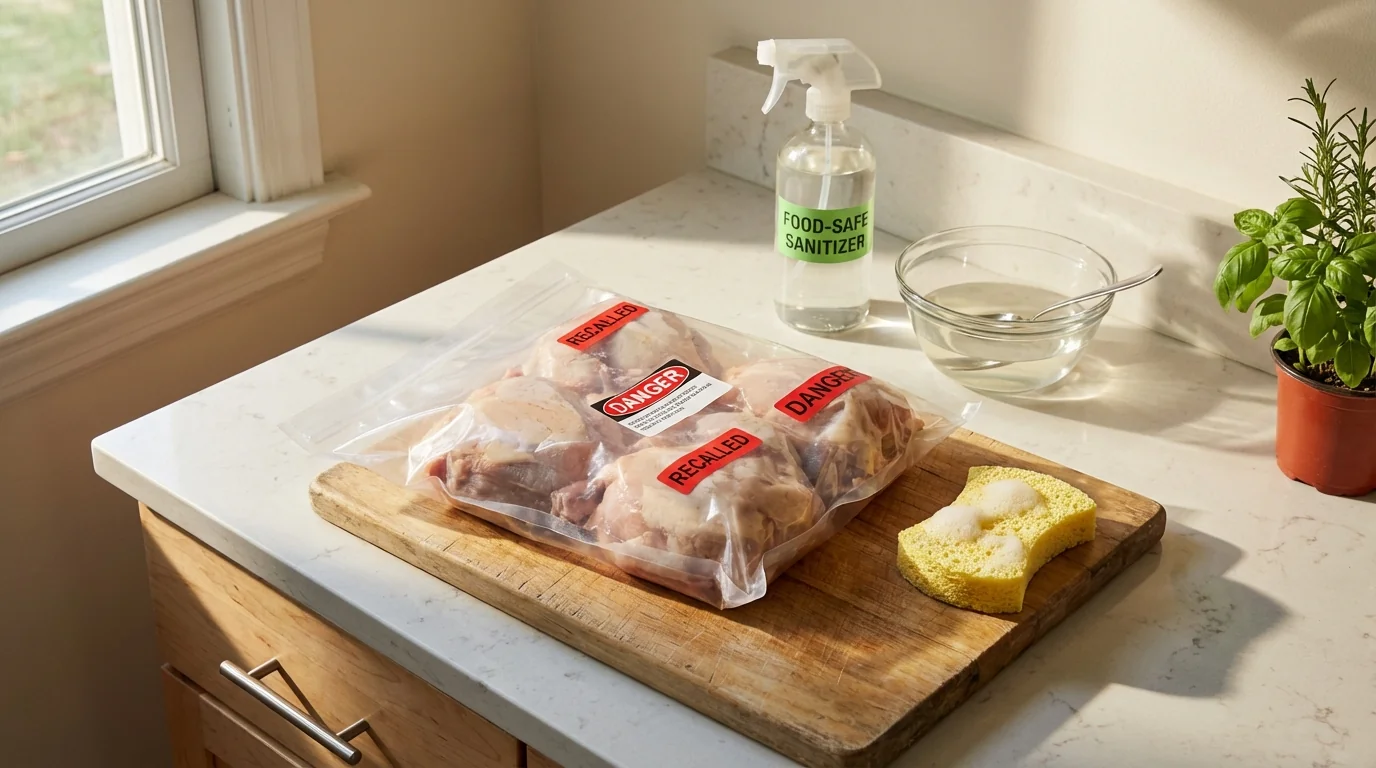
Start by isolating any suspect packages. If the product matches the recall, handle it like a biohazard in your kitchen. Keep it sealed if possible. Bag it before disposal or return.
- Put recalled packages in a sealed bag. Do not open them.
- Wipe any shelf where they sat with hot, soapy water, then rinse.
- Sanitize with a kitchen safe bleach solution or a proven food safe spray. Let surfaces air dry.
- Wash cutting boards, drawer inserts, and bins that touched the package. Use hot water and soap, then sanitize again. 🧼
If you already ate the chicken and feel unwell, contact a healthcare provider. Keep the package info if you still have it. It helps with clarity.
Smart swaps for your meal prep this week
We lean on cooked chicken because it solves dinner in one move. There are simple swaps that keep your bowls and wraps on track without losing momentum.
Rotisserie chicken is one option, but treat it with care. Reheat the portions you plan to eat until steaming hot, then shred. If you want it chilled for a salad, cool it fast in a shallow container in the fridge. Do not let it linger warm on the counter.
Canned tuna in oil makes an excellent stand in for chopped chicken. So do chickpeas with lemon, olive oil, and herbs. Grilled halloumi or quick seared tofu brings the same protein punch, plus good texture. In restaurants, chefs often pivot to these when a supply issue hits. Home cooks can do the same with great results.
Need a fast cooked chicken at home? Slice raw breasts thin, marinate 15 minutes in yogurt, lemon, garlic, and salt. Sear in a hot skillet, turning once, until the thickest piece hits 165°F. Rest five minutes, then slice.
This is also a reminder to build a simple safety habit. Any time you buy ready to eat meat, scan the label when you get home. Snap a photo of the lot code and date. If a recall lands, you can check your camera roll in seconds. Trust your fridge, but verify your labels.
The bigger dining picture
Prepared proteins power the way we eat now. They speed up weeknights, fuel desk lunches, and anchor clean, fresh plates. A recall like this shakes confidence. It should also sharpen our skills. Cold proteins need cold vigilance. Heat still solves most food safety problems, even in a modern salad era.
Chef friends are already rewriting specials with warm proteins and quick chilled options. Home cooks can mirror that move. Think hot honey chicken over greens, then chill leftovers fast for tomorrow. Or switch to legumes tonight, then return to chicken when the all clear is in hand.
Food culture adapts. Today, that means a careful sweep of the fridge, a reset on handling, and a few smart swaps that keep flavor high while risk stays low. Stay sharp, eat well, and check those labels before you plate.