Breaking: Vanity Fair’s new power-portrait package landed this morning, and the internet did not swoon. The glossy spread, meant to cast political aides as cinematic characters, instead sparked a firestorm. At the center of it all, Karoline Leavitt, styled and lit like a star. The photos turned serious politics into a red carpet moment, and that is where the trouble began.
What Vanity Fair Tried To Do
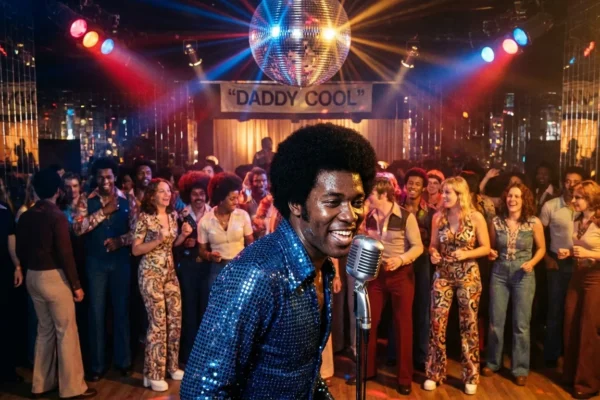
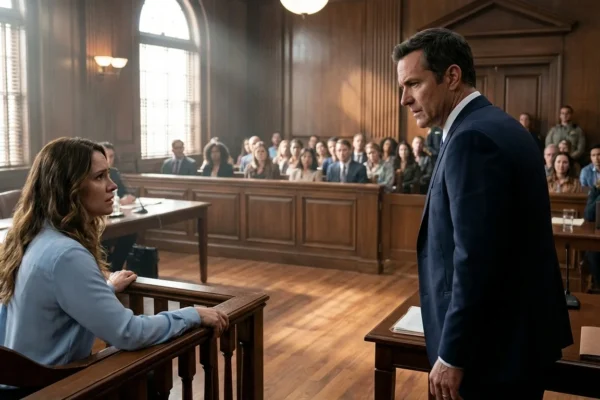
We reviewed the full set this morning. The concept is clear. Take figures from the White House world, past and present, and frame them like Hollywood icons. Big lighting. Luxe textures. Hero poses. It is the magazine’s signature look, and when it works, it makes legends.
This time, it clashed with the mood of the country. The images ask us to admire. Viewers were not in that headspace. The result feels out of tune with real stakes. That gap is why the photos are landing with a thud.
[IMAGE_1]
When power is the subject, style choices read like statements. Every cufflink and camera angle carries meaning.
Karoline Leavitt In The Frame
Leavitt’s portrait is the lightning rod. She stands poised, polished, and camera ready. The styling is clean. The gaze is firm. It is a look built for a campaign poster, not a quiet profile. In a polarized culture, that reads as a flex.
Fans of hers see confidence. Critics see a glam pass for a combative figure. The photo takes a political communicator and shifts her into celebrity light. That shift changes how the audience weighs her message. It invites feelings, not policy.
The Celebrity Angle
There is a reason this hits so hard. Vanity Fair is a Hollywood tastemaker. When it gives someone that lens, it implies star power. For a political aide, that glow can feel like a reward. It can also feel like a soft-focus shield.
This moment lands at the center of pop and power. It blurs the line between fame and influence. That blur is the story.
The Backlash Arrives
Within minutes of the release, comment sections filled with jokes, memes, and side-eye. The tone was sharp. The main theme, glam is the wrong language for this cast. Many read the shoot as a romance with proximity to power.
Late night comics will have a field day. Fans of political satire already do. Even some style watchers, usually kind, called the palette too lush and the posing too triumphant.
- The lighting feels heroic in a moment that feels raw
- The wardrobe reads as couture instead of context
- The framing flatters, and audiences reject flattery
- The subjects look like stars, not staff
[IMAGE_2]
For political figures, glossy portraits are not neutral. They can harden opinions and turn unknowns into symbols.
Why Glossy Politics Backfires Now
We are living in an age of receipts and receipts only. Viewers want candor, not sheen. Photo essays that once hinted at truth now look like campaigns. When the stakes feel high, velvet light looks like spin.
This does not mean serious portraits cannot work. They can. They need grit, context, and a little mess. Real rooms. Real flaws. Real distance from power. The Vanity Fair set skipped that. It went for cinema. The audience asked for documentary.
The Optics For Leavitt And The Magazine
For Karoline Leavitt, the portrait will follow her. It will feed supporters who see a fighter. It will fuel opponents who see a brand project. Either way, it cements her in the pop sphere. That has real value and real risk.
For Vanity Fair, this is a reminder. The Hollywood gaze is a powerful tool. It can crown a new star. It can also make a lightning rod. When the subject is political power, glamour has a cost. Today, that bill came due.
Intent matters less than read. Audiences decide what a photo means the second they see it.
Conclusion
This was a high wire act with designer shoes. Vanity Fair reached for grand cinema and grabbed a live wire. Karoline Leavitt now owns a frame that many will love to hate and others will clip for keeps. In today’s culture, the camera is never just a camera. It is a character. And today, it stole the scene. 🎬