Bruce Springsteen just dropped a match into the national conversation. His new protest track, Streets of Minneapolis, landed today, and the lyrics hit like a siren at 2 a.m. We heard it the moment it went live. The Boss is not whispering. He is shouting in tune.
The lyric that stings
Springsteen trains his pen on ICE and the wider machine behind it. He paints raids on quiet blocks, late night knocks, and families braced for the worst. Then he names the power he sees at work. The line that slices through the chorus condemns “King Trump’s Private Army,” a phrase that will echo for days.
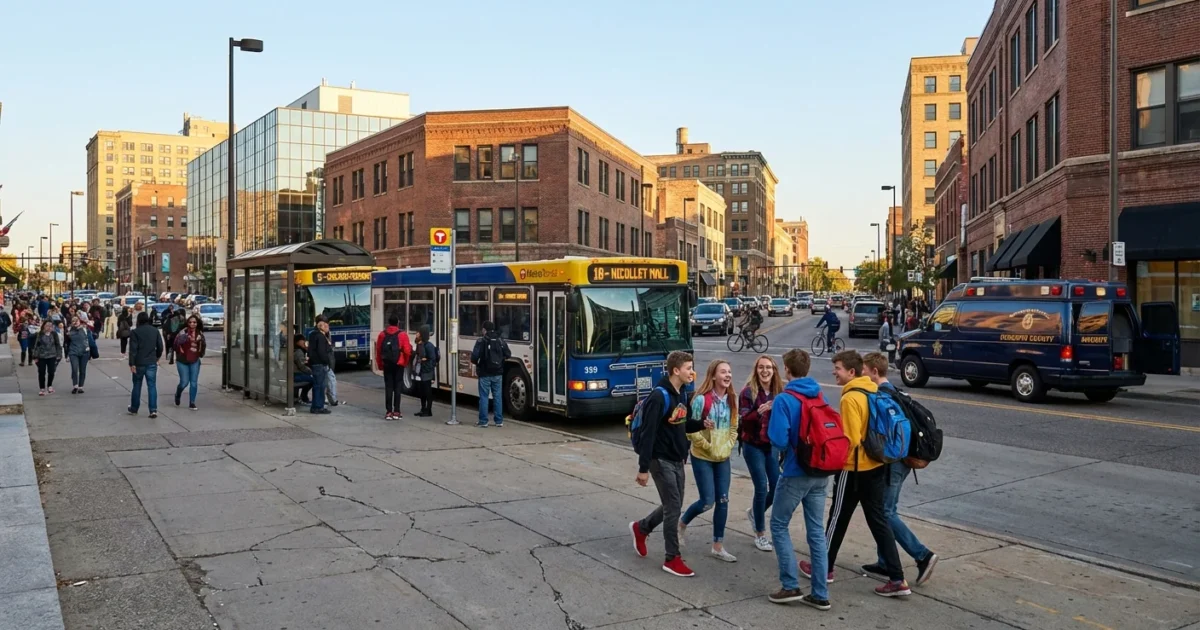
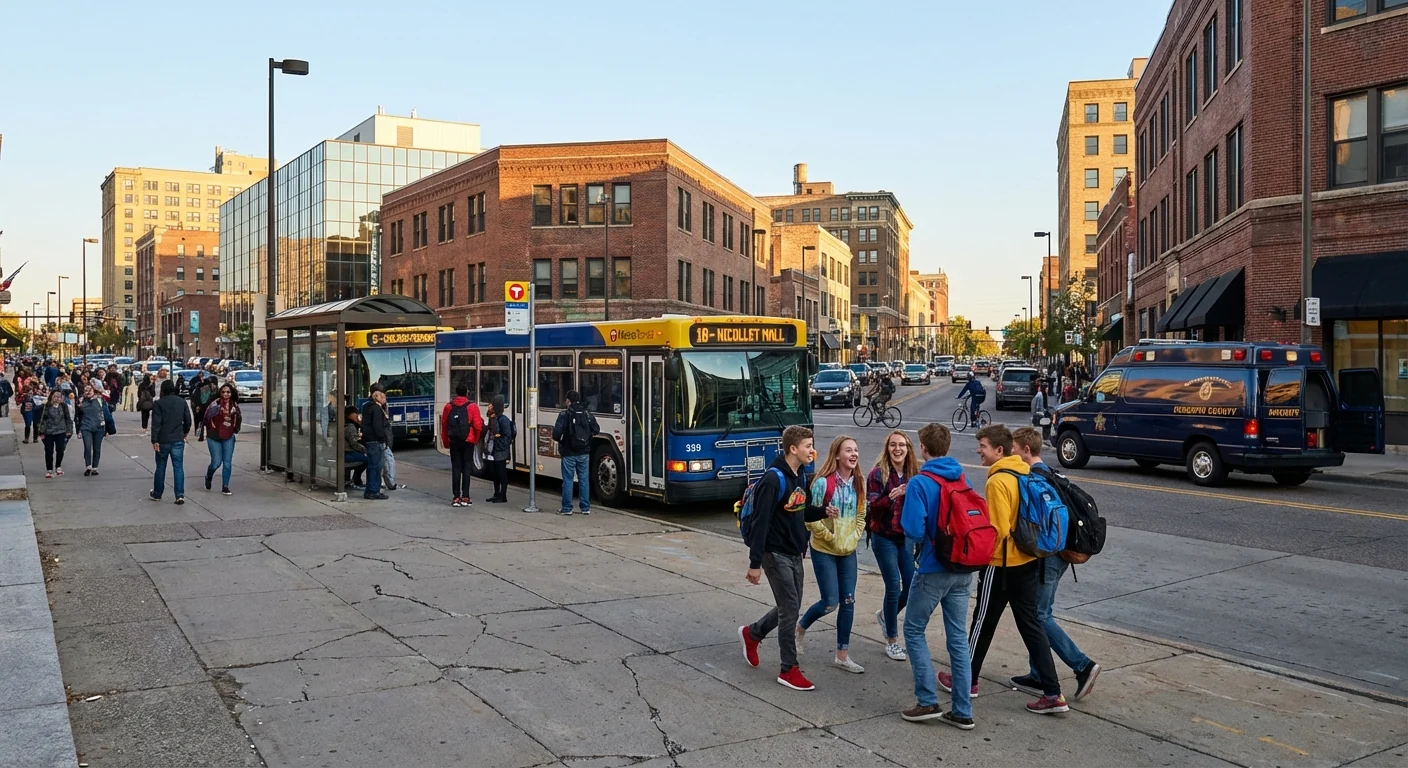
He stacks short, tight verses like barricades. You feel the boots on pavement. You hear the doors slam. The Streets of Minneapolis lyrics build a picture you cannot look away from, with images of buses, detention vans, and kids clutching backpacks. It is classic Springsteen, plain words, big stakes.
The flashpoint lyric, “King Trump’s Private Army,” is already the line fans are repeating aloud.
Why Minneapolis, and why now
Minneapolis is more than a place in this song. It is the crossroads. Since 2020, the city has stood for grief, protest, and a fight over what safety means. By planting this story on those streets, Springsteen widens the frame. He ties immigration raids to a larger debate over force, belonging, and who gets to feel at home.
You can hear the city in the details. There are cold corners, cracked sidewalks, and late shifts at the plant. He nods to mothers keeping lights on for kids who are not back yet. He points to neighbors watching from porches, waiting to see who is next. It feels lived in, not borrowed.
Inside the song, line by line
This is not a stadium chant. It is a steady march, a folk rock pulse with grit in it. Springsteen’s voice is leathery and close. Every phrase lands with weight. He is not pleading. He is documenting. Then he is accusing.
- A verse sketches a father stopped on his commute, papers checked on the spot
- A chorus knots together fear, pride, and a dare to stand in the open
- A bridge calls out leaders who turn badges into armor against their own
No lyric feels tossed off. Even the quiet lines are warnings. The hook stays with you like a bruise.
The Boss, back in protest mode
Fans of Springsteen’s protest work will feel the lineage right away. Streets of Minneapolis sits beside The Ghost of Tom Joad and American Skin, 41 Shots, on the shelf. It shares the same backbone, a storyteller’s eye and a union heart. He knows how to write a town, a cop light, a paycheck that will not stretch. He also knows how to push a pressure point without losing the human face in the crowd.
That balance is why artists study him. Politicians might argue about the message. Band geeks will argue about the snare sound. But everyone hears the craft. And that is why this song lands so hard.
Springsteen’s protest songs last because they honor people first, then challenge power.
Celebrity angles and a new fault line
You can feel the ripple already in music circles. Tour managers will ask if this track belongs in summer set lists. Festival stages will brace for speeches before encores. Expect late night hosts to tee up lines for musicians who want to weigh in. Country, hip hop, and punk all have skin in this story, and this song invites response.
Not everyone will clap. Some fans want pure escape. Others say artists should keep politics off the record. Springsteen has heard that chorus for decades. He keeps writing anyway. That is part of his deal with the audience. He tells the truth as he sees it, in three chords, at full volume.
How fans are hearing it
Outside venues and in living rooms, listeners are split, but they are engaged. Some are lifting the “King Trump’s Private Army” line as a rallying cry. Others zero in on the images of children waiting in the dark. A few call it a step too far. More say it is exactly on time.
What is clear, the Streets of Minneapolis lyrics bring immigration and policing into the same frame, then force a look. The song asks a hard question. Who do the streets belong to at night, the families inside or the forces at the door.
This is not a single that fades on Friday. It will travel. It will be covered at coffee houses and roared through amps in barrooms. It will be argued about in union halls, classrooms, and back seats. That conversation is the point.
In the end, Springsteen gives Minneapolis a story that belongs to many cities. He gives fans a chorus that bites, and a map of what fear feels like when it knocks. Love him or challenge him, you cannot say he stayed quiet. The Boss stepped into the street, and the song will keep walking with him.