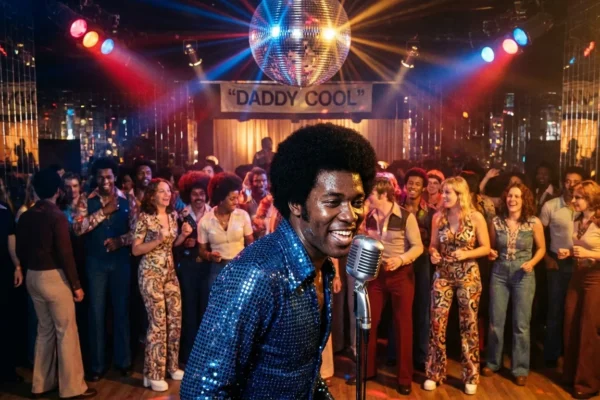
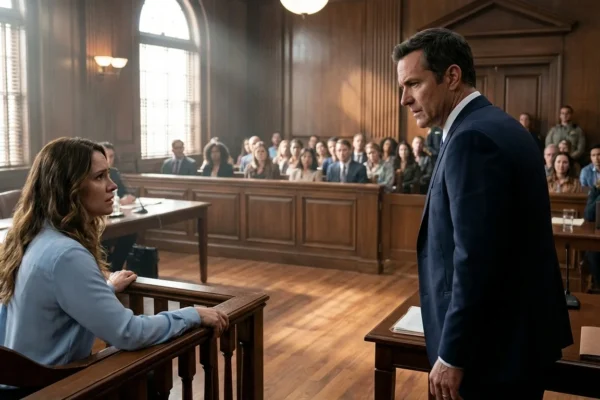
Song Sung Blue just kicked the door in on the music biopic. It is fearless. It is tender. It is also delightfully strange. I watched a packed room lean forward, then laugh, then go silent. The film refuses to color inside the lines, and that is exactly why it lands.
A biopic that bends the notes
Most musician films chase milestones. This one chases moods. Scenes blur memory and performance. A joke can slip into a confession. Then a chorus pulls it all together. You feel like you are sitting inside a song, not reading a diary.
The story resists the usual start to finish march. It plays with time, tone, and truth. One moment is aching and spare. The next is offbeat and bright. The rhythm feels risky, yet it never loses the melody. That balance takes real craft.
This is not a jukebox montage. It is a living, breathing portrait built from feeling.
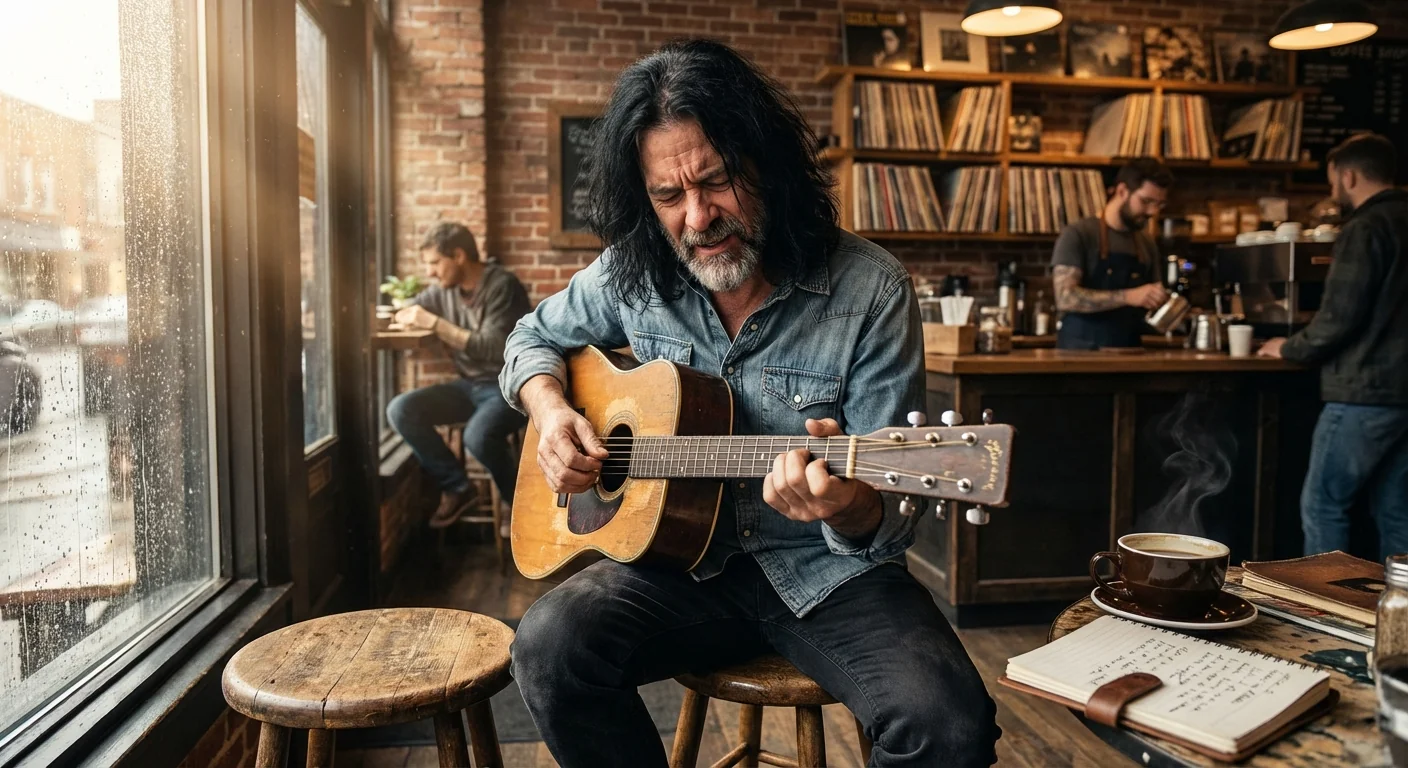
Inside the film’s style
The film has the courage to hold a note. Silences linger. Cuts arrive a beat late, like a breath before a chorus. There are dreamlike touches, small and sly. A Christmas light glow here. A surreal laugh there. It all forms a spell. The result is weird in the best way, sharp and soulful.
Aspen belonged to the music
At the Aspen screening, the room shook with applause. Neil Diamond took his seat with the warmth of a hometown hero. Kate Hudson, Goldie Hawn, and Kurt Russell arrived with smiles and easy charm. Their presence mattered. It signaled respect. It said this film deserves a live audience and a real moment.
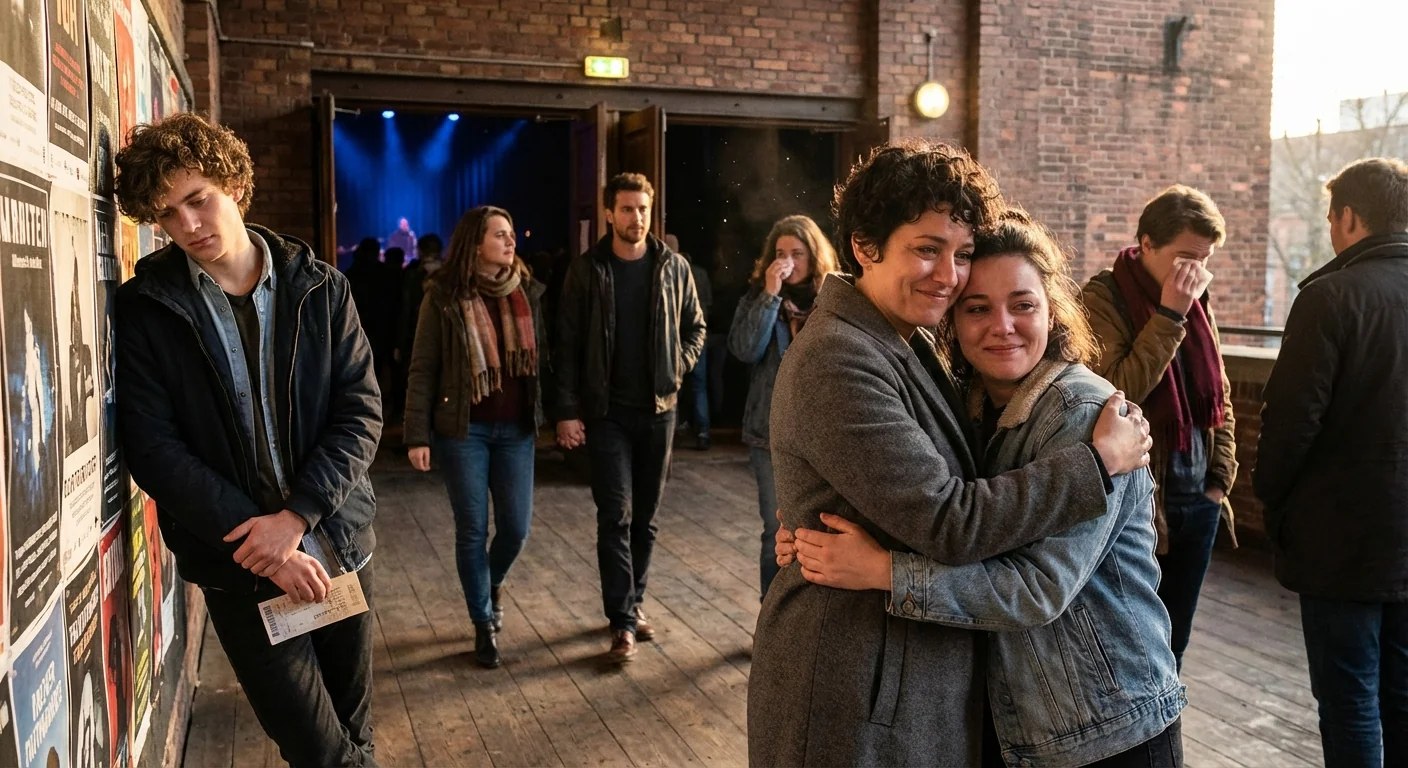
Fans stood, clapped, and wiped tears. Some hummed on the way out. Others talked about a scene that felt like a memory from their own life. That is the magic here. You do not just watch the story. You carry it out with you.
Why the weird works
The film avoids the usual trap. It does not list hits, scandals, and awards. It builds a voice. It finds truth in the spaces between big events. That choice unlocks fresh emotion. You are surprised, then moved, then surprised again. Critics are already calling it weirder than a typical biopic, and that is a compliment.
- Songs drive the plot like characters, not background.
- Humor slips into heartbreak, then back into grace.
- Time bends to match the music, not the calendar.
- Big moments are quiet, small moments soar.
Go in expecting a dream, not a documentary. Let the film set the tempo.
The celebrity signal
When artists show up for a movie about a fellow artist, that carries weight. Neil Diamond’s nod means history is in the room. Hudson, Hawn, and Russell bring cross‑generational star power. They do not lend their nights to empty hype. They show up when the work has a pulse. Their attendance helps new audiences take the leap with a stranger structure.
Fans want more than a biography
For years, music biopics felt safe. They told us what happened. They rarely showed us how it felt. Song Sung Blue flips that formula. It leans into sensation and memory. It leaves space for the audience to feel seen. That is why crowds are staying in their seats after the credits. They need a beat to come back to earth.
This film also taps a growing appetite for risk. Viewers are ready for stories that play like albums, not textbooks. They want the high notes, the cracks, and the silence between. When a film trusts them with that, they respond with full hearts.
The moment lands, and it lingers
Song Sung Blue does not chase a perfect legend. It finds a flawed, human rhythm and holds it. The result is bold and intimate at once. In Aspen, you could sense it in the air, a quiet hush before a long, rolling cheer. That feeling is the headline. The experiment works.
If you love music, you will hear your own story in it. If you think you know music movies, this one will change your mind. The film hits the stage with courage, grace, and a little odd sparkle. It may be the rare biopic that becomes a favorite song, one you play on repeat, and one that keeps growing each time you listen. 🎵