Breaking: Saturday Night Live just dropped a sketch with a new character, Ashley Padilla, and it lands like a jolt. She is a suburban mom, seated in a tense family chat, and she is starting to pull away from her pro Trump stance. The moment is quiet, human, and loaded. You could feel the studio tense up, then exhale. This is SNL using a living room to talk about America.
Meet Ashley Padilla, the Mom at the Table
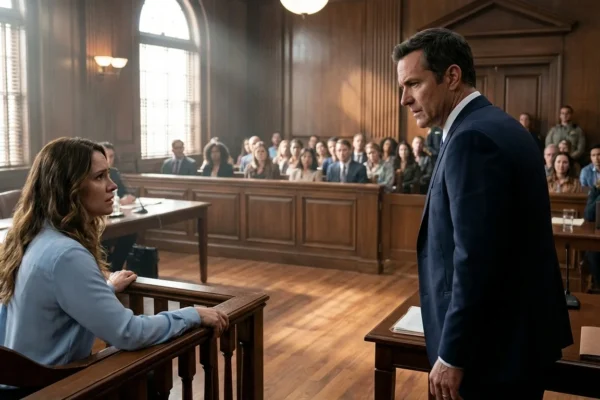
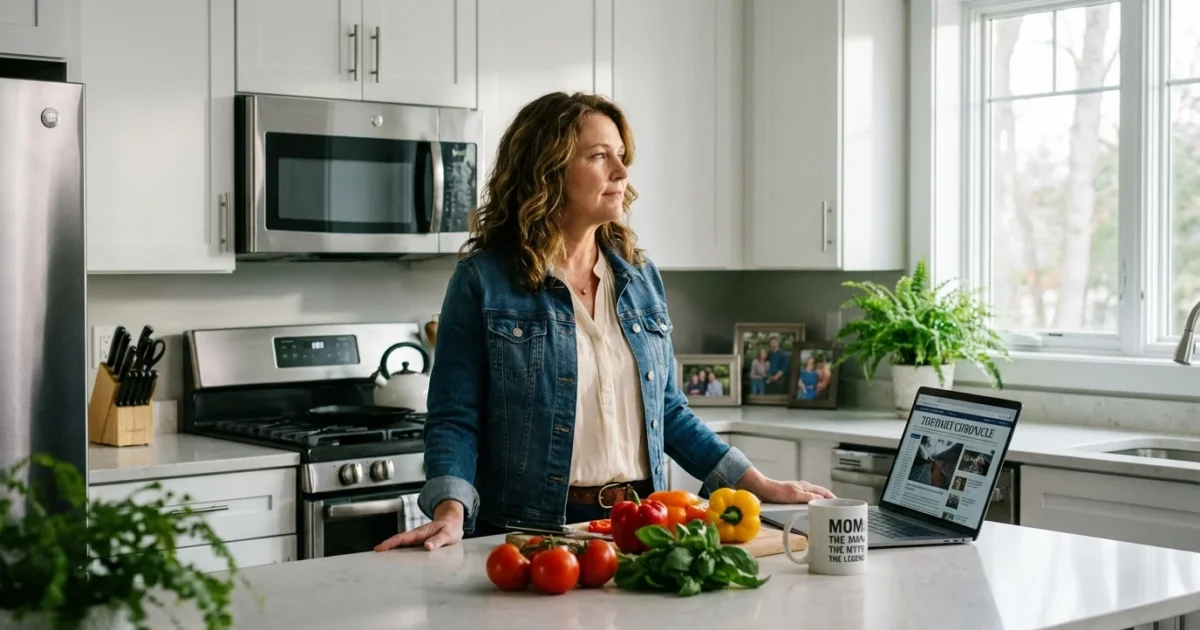
Ashley Padilla is not a politician. She is a fictional mom, built for one job. She forces the country to look inward. The sketch centers on a family conversation across generations. Voices rise. Defenses go up. Nobody quite knows what to say next. That is the point. Politics is not abstract here. It is personal, and it is painful.
Ashley weighs loyalty against a tired heart. She listens. She hedges. She admits doubt. The character does not flip in a blaze of fireworks. She shifts by inches, which is how families move in real life. SNL has done big political impressions for years. Ashley is different. She is a mirror.
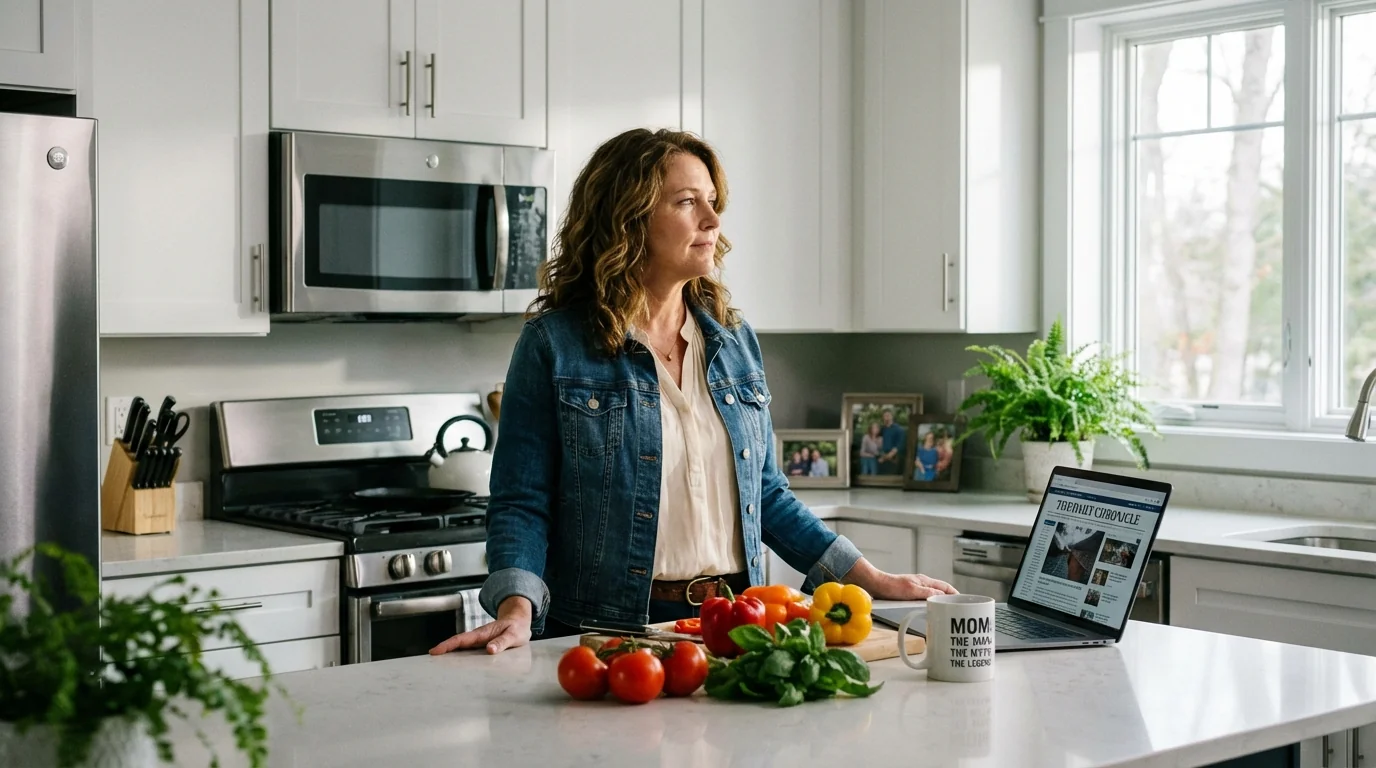
Ashley Padilla is a fictional SNL character who personifies a mom rethinking her support for Donald Trump.
Why This Hit a Nerve Tonight
The sketch is not about winning a debate. It is about surviving a dinner. That choice is bold. It takes the focus off rallies and puts it in a home, where love and politics collide. The writing treats both with care. Jokes land, then pause, leaving space for discomfort. You feel the tension in your chest.
That is where SNL has always been sharpest. When it uses everyday people as a cultural barometer, the show taps into the week’s mood. Ashley joins a line of relatable characters who carry heavy ideas in soft, human hands. She is not a headline. She is a person, and that is why the sketch resonates.
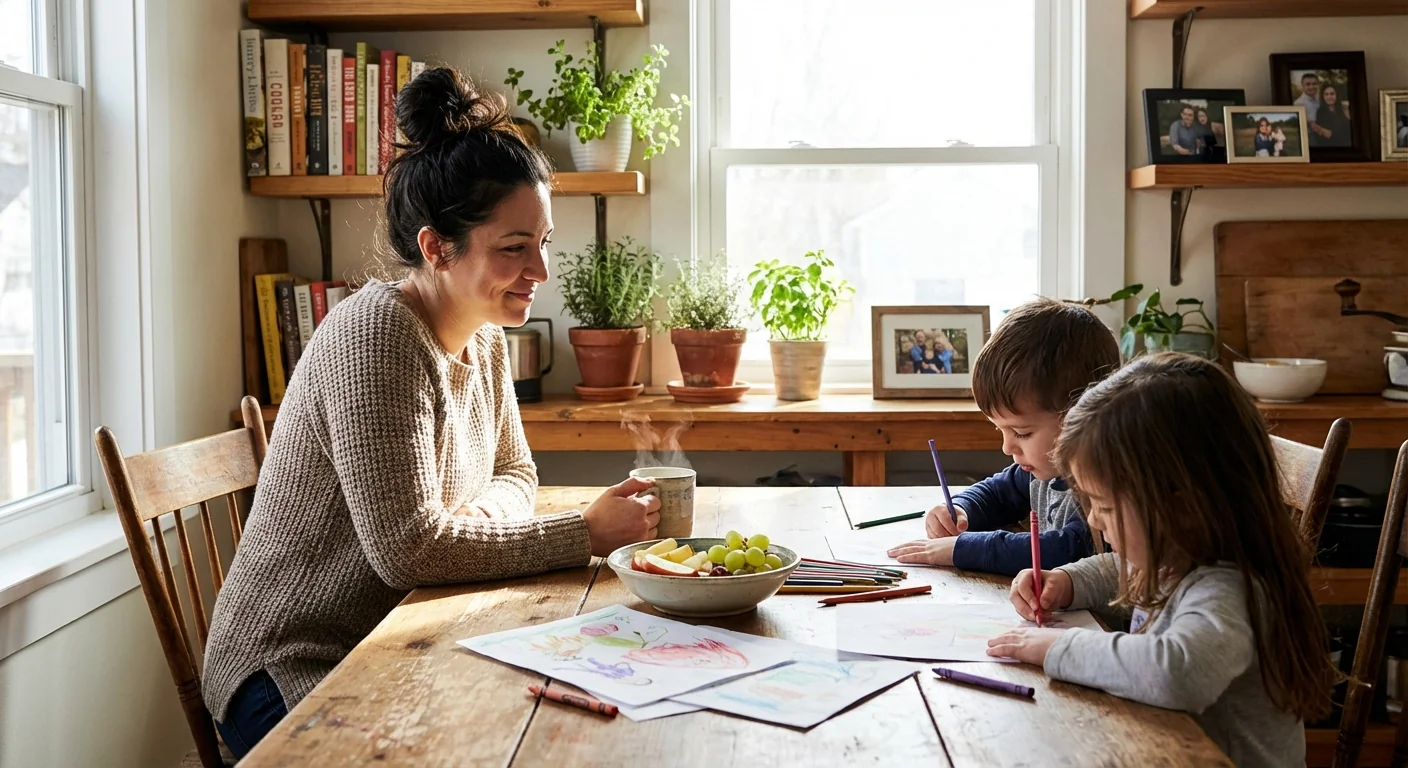
The scene shows how hard real conversations are inside politically mixed families, without easy heroes or villains.
What Celebrities and Fans Will Be Talking About
You will hear about the restraint. The performance avoids caricature. It gives Ashley warmth, worry, and a spine. You will also hear about the target of the satire. The sketch is clear-eyed about diehard loyalty, and about the cost of it in a home. It is pointed but not cruel. That balance is hard, and it is the power of the piece.
In living rooms and group chats, fans are already picking sides. Some argue the show captured a real shift in the country. Others think it is a poke at MAGA diehards, designed to rile them up. Both can be true. The best satire can sting and still feel honest.
- What stood out: the quiet beats, the guarded laughter, the small admission of doubt
- What lingers: a mom’s face when she chooses to hear her kids, even when it hurts
The Cultural Stakes of Ashley Padilla
Ashley is more than a character. She is a test for the audience. Can we sit with nuance. Can we accept that people change slowly. The sketch suggests there is fatigue in the air. Not the fatigue of politics alone, but the fatigue of constant fights at home. That subtext gives the comedy its weight.
SNL knows this terrain well. When the show reflects the country, it does not need wild gags. It needs truth, and a steady voice. Ashley’s journey, small as it looks, hints at a larger mood. It asks viewers to consider a private pivot that millions might be making. Or to argue that they are not. Either way, the sketch sparks a real conversation, and not just about the show.
What This Means Next
If Ashley returns, it will be because the audience sees themselves in her. She is built for follow up. Holidays. School events. Another awkward talk at the table. Each scene could track a wider feeling, whether it moves toward change or snaps back into habit. The story is the tension. The payoff is the attempt to talk.
SNL has made its case. The big political plot is not only out there. It is in a mom’s careful tone, a dad’s defensive shrug, a grandparent’s silence. Ashley Padilla is the lens.
The Bottom Line
Tonight, SNL did not shout. It listened. Ashley Padilla is a character with soft edges and sharp impact. She stands at the center of a family trying, and failing, and trying again to hear each other. That is where America lives right now. The sketch leaves a mark, not with a punchline, but with a pause. And in that pause, you can feel a country taking stock.