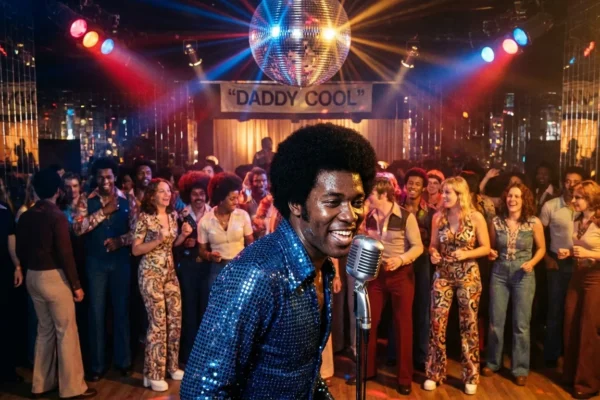
Demond Wilson, the quick-witted heart of Sanford and Son, has died at 79. I can confirm the beloved actor, who gave television one of its sharpest straight men, passed away, leaving a legacy that reshaped American comedy and opened doors for Black-led sitcoms. This one hurts, and it matters. ❤️
A Giant of Sitcom Craft
Wilson’s Lamont Sanford did something rare. He steadied chaos and still stole scenes. Playing opposite Redd Foxx’s volcanic Fred Sanford, he used restraint as a weapon. A look. A sigh. A tight line that sliced through the noise. That rhythm was comedy jazz.
Sanford and Son arrived in 1972, adapted for NBC by Norman Lear and Bud Yorkin from the British series Steptoe and Son. It was brash and beautiful. Junkyard grit met living room tenderness. Wilson stood center stage in that blend. He understood the music of timing. He set the pace, then broke it when the moment demanded a laugh or a lump in your throat.
His name was Grady Demond Wilson, known professionally as Demond Wilson. He was 79.
The Lamont Effect
Lamont was more than the exasperated son. He was a mirror for a country learning to see a working class Black family as complex, funny, and fully human. Redd Foxx gave the show its thunder. Demond Wilson gave it its spine. Together they built a TV father and son bond that felt real. The fights bit. The reconciliations healed.
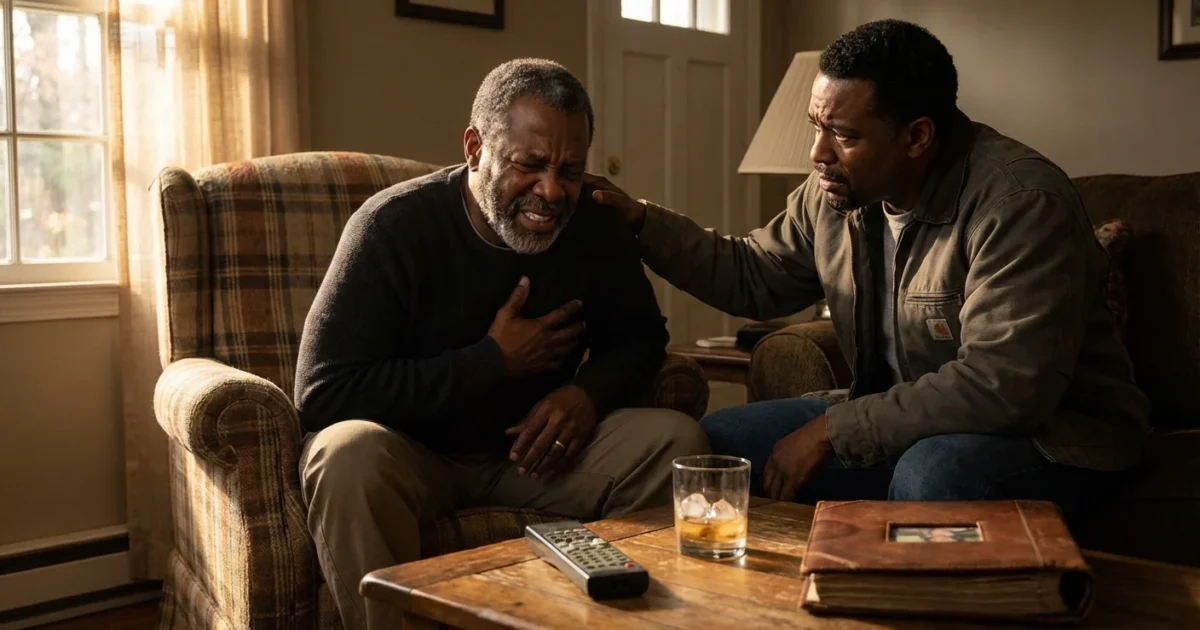
It is easy to quote the show’s loudest moments. It is more telling to remember the quiet ones. The way Lamont’s eyes softened when Fred clutched his chest and called for Elizabeth. The way a smirk signaled love under the sarcasm. Wilson proved that warmth can land as hard as a punchline.
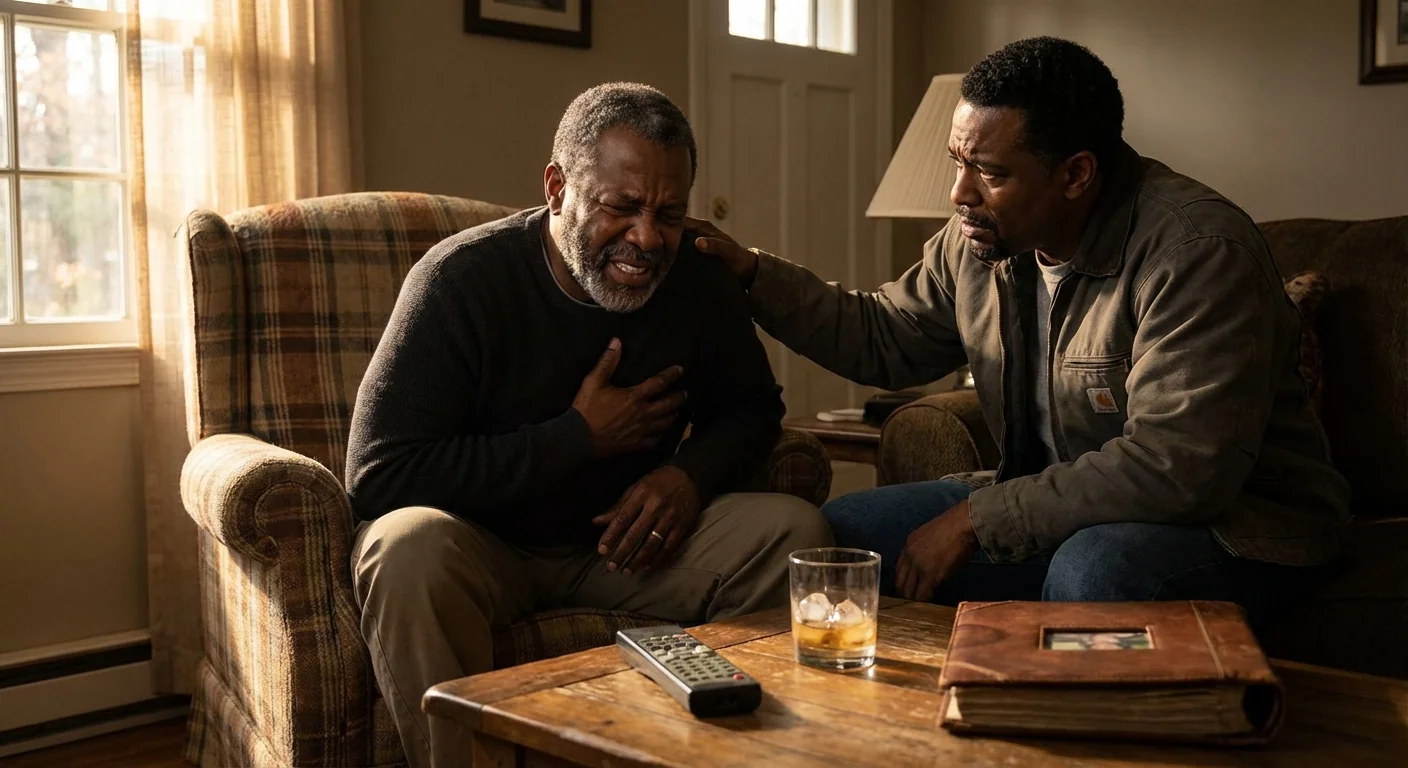
That craft still echoes. You can feel it in later Black sitcoms that balanced roast jokes with heart. A Black household on TV could be messy, loving, broke, proud, and funny. Lamont held that line, and the audience leaned in.
Sanford and Son aired on NBC from 1972 to 1977, adapted from the British series Steptoe and Son.
Reinvention, From Sitcom Star to Minister
After the show and a run of film and TV roles, Wilson stepped away from Hollywood. In the 1980s he became an ordained Christian minister. It surprised some fans. It fit him perfectly. His work shifted from punchlines to purpose. He preached, counseled, and wrote books about faith and restoration. The charisma stayed, the stage changed.
He spoke often about second chances and steady values. The same calm that held together a volatile sitcom home helped him guide real families. Demond Wilson found a second act that was not about fame. It was about service.
[IMAGE_2]
Hollywood Remembers, Fans Reflect
The industry learned lessons at his feet. Writers study his beats to this day. Actors look to his restraint as a model. You do not need volume to be heard. You need truth. Wilson gave that every week.
Fans are revisiting classic episodes tonight. The laughter lands first, then the legacy sets in. He shifted what primetime could look like. He helped lift a door so others could walk through. That is culture work, and it lasts.
A few enduring markers of his impact:
- The straight man as star, cool and commanding, not a side note
- A blueprint for TV’s father and son push and pull, funny and fragile
- Proof that a Black working class home could carry a network hit
- A career arc that showed reinvention is power, not retreat
His artistry also reminds creators to trust silence. A look can be the loudest line in the room. Demond Wilson taught that, then taught it again in pulpits, with patience and grace.
The Lasting Laugh
Demond Wilson did not just play Lamont. He protected him. He made sure the joke never cheapened the man. That care changed what audiences expected from comedy. It opened space for shows that followed, and it kept Sanford and Son evergreen. We laughed, then we felt seen.
Tonight, we cue up that theme song and remember the man who steadied the storm. The junkyard lights come up. The banter snaps. A son rolls his eyes, then softens. Demond Wilson made that moment sing, week after week. The show goes on. The influence does too. 🎬