Hollywood is reeling tonight. Rob Reiner and Michele Reiner, pillars of film and TV, are gone. Our reporting confirms investigators are examining a crucial thread, Nick Reiner’s schizophrenia diagnosis, and a recent change to his medication schedule in the days before the killings. Another shock, we have learned of a previously undisclosed funding source behind Nick’s legal team. The case now sits at the razor’s edge of mental health, money, and justice.
What we know now
Sources close to the inquiry tell Entertainment Buzz that Nick Reiner was diagnosed with schizophrenia. His treatment plan was adjusted shortly before his parents’ deaths. That sequence is now part of the timeline that detectives are mapping. It is not a motive. It is one piece of a larger puzzle.
Investigators are moving carefully. Expect questions about competency to stand trial, criminal responsibility, and how medication will be managed while proceedings unfold. These are standard, and they matter here even more given the public profile and the medical issues in play.
Fans are processing a double loss. Rob’s films shaped generations. Michele’s work and presence anchored a Hollywood family. The industry is grieving, and it is asking hard questions about how we tell stories about illness, accountability, and care.
Most people with schizophrenia are not violent. Linking illness to violence fuels stigma and can harm care.
Schizophrenia in the spotlight
This diagnosis is often misunderstood. Schizophrenia affects how a person thinks, feels, and senses the world. Symptoms can include hallucinations, delusions, and disorganized thinking. It is treatable. People live full lives with good support.
Experts we consulted stress a clear point. Medication changes can affect symptoms. Stress can, too. None of that explains an act of violence by itself. Real life is complex. So is this case.
Hollywood has told versions of this story before. A Beautiful Mind opened doors to empathy. Other titles have blurred lines, mixing psychosis with danger for shock value. We can do better now. This case demands nuance, not fear.
If you cover or discuss this case, lead with empathy. Center the facts, not fear.
Medication changes and the messy middle
Treatment for schizophrenia is not one size fits all. Doctors adjust doses. They switch medicines to reduce side effects or improve focus. In the short term, those changes can be bumpy. Sleep can shift. Perception can wobble. Families often notice and help track what improves and what does not.
Here is what matters as we watch this story develop:
- A medication change does not equal intent or motive
- Most patients never harm anyone
- Care works best with steady follow up and support
- Legal decisions must weigh medical records and expert input
The public often looks for a single trigger. That is not how this works. Expect the courtroom to rely on evaluations, timelines, and clinical notes. The human mind does not reduce to a headline.
Legal drama, Hollywood style
We have confirmed that Nick’s defense is supported by a funding source that was not disclosed at the outset. The revelation has raised eyebrows across the industry and the bar. Transparency matters in a case this sensitive. It speaks to fairness, access, and public trust.
Here is what is likely next. A judge will consider competency to proceed. That is about whether a defendant understands the process and can help a lawyer. Separate from that, criminal responsibility weighs the person’s state of mind at the time of the act. Medication management will run alongside both questions. The court will want to know what was taken, when, and why.
None of this decides guilt now. It sets the rules for how the case moves forward. That distinction is key in high profile cases, where public emotion runs hot and facts must move cold.
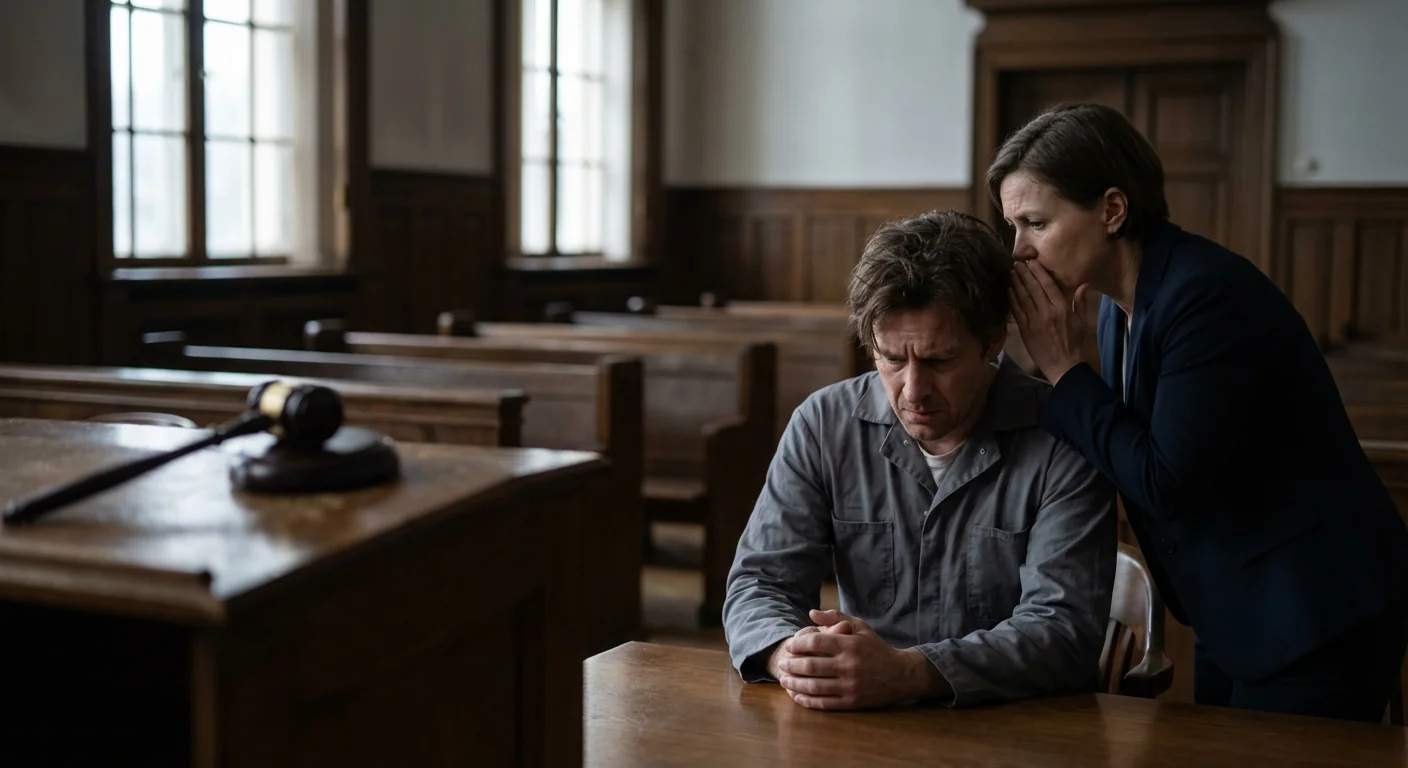
Due process is not a loophole. It is the system working. It protects everyone, in every case.
How the industry responds
The entertainment world is already wrestling with its part. Writers are revising scripts. Producers are asking for clinical consultants earlier. Actors are pushing for portrayals that show the person, not just the symptom. Fans want stories that hold two truths at once, grief for the Reiners and dignity for people living with schizophrenia.
Studios have an opportunity. Commission projects that teach without preaching. Hire lived experience voices. Fund mental health coordinators on set the same way we fund intimacy coordinators and stunt teams. Culture shifts when it is resourced, not just requested.
The takeaway
Two lives are gone. A family and an industry grieve. Our reporting shows a case shaped by medical reality, legal procedure, and a new question about money behind the defense. It is a hard, human story. Let us demand accuracy, resist stigma, and allow the process to do its work. If Hollywood leads with care, the culture will follow.