BREAKING: TV drama The Pitt drops a searing tribute to Tree of Life, and it lands like a bell toll. Season 2, Episode 3 is the rare hour that asks viewers to sit with history, not just watch it. It remembers the 11 lives lost at Pittsburgh’s Tree of Life synagogue on October 27, 2018, the deadliest antisemitic attack in U.S. history. It also looks forward, putting interfaith solidarity on screen, and turning a network show into a living memorial.
A measured tribute, delivered with care
The Pitt does not reenact the attack. It builds around the aftermath. The episode centers on rituals of grief, the work of neighbors, and the slow project of healing. The camera lingers on prayer shawls, empty pews, and faces that choose courage. The writers lean on silence as much as dialogue. The silence speaks.
What stands out is the care for real communities. Jewish customs get time and texture. Pittsburgh feels specific, not just a backdrop. The show does not flatten faith into a plot device. It treats faith as a living language people use to mourn, and to move.
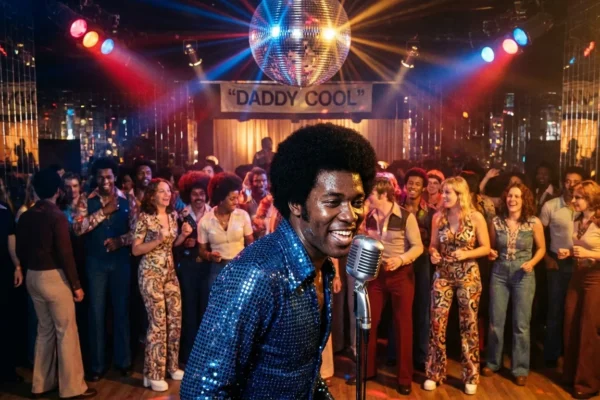
[IMAGE_1]
Content warning, the episode contains depictions of trauma, memorial scenes, and conversations about hate violence. Viewer discretion advised.
The celebrity spine, and a cast that shows up
This hour could only work if the cast commits. They do. Noah Wyle leads with quiet command, letting restraint carry weight. His scenes beside community leaders draw power from listening. The choice to foreground Pittsburgh’s Muslim community matters. Moments of shared protection and shared prayer do not feel staged. They feel earned.
You can see the homework. Clergy stand together in key scenes. Translators and cultural advisors shape small details. Performances avoid easy speeches. The biggest choices happen in pauses, and in the hands holding a memorial program. The episode respects what people hold when words fall short.
What the episode shows
We move through vigils, front steps, and living rooms. There are candles and casseroles. A school hallway catches the echo of a rumor, then a lesson in empathy. A newsroom debates how to cover pain without turning it into spectacle. A cop talks about standing guard outside a synagogue, then a mosque. The city looks tired, and also brave.
The show resists melodrama. It chooses community over twists. That restraint is its superpower.
Fans feel the weight, and the warmth
Viewers come to The Pitt for a city that fights for itself. They will find that here, with the volume turned down and the heart turned up. The episode invites audiences to remember, to reflect, and to act.
- The interfaith scenes are drawing praise for grace and accuracy
- Performances land as lived in, not preachy
- Pittsburgh locations give the story a grounded pulse
- The closing dedication is simple, and it stays with you
This is not just good TV. It is responsible TV. The kind that knows its reach, and uses it.
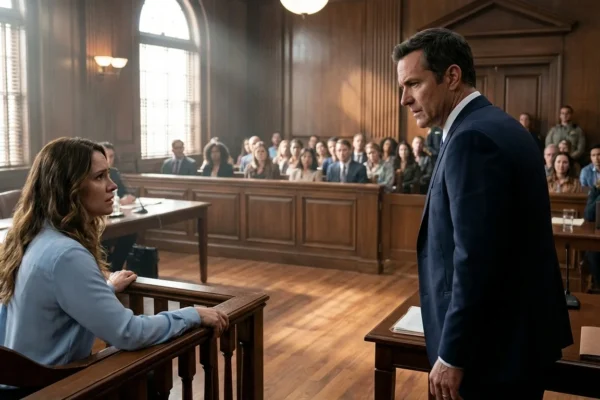
[IMAGE_2]
Tree of Life is a real congregation in Pittsburgh. Eleven people were killed in the 2018 attack. Families and survivors continue to lead remembrance and education efforts.
Why this matters, far beyond one episode
Pop culture often rushes past pain. This hour slows down. It asks what storytelling can do after a real tragedy. It can amplify voices that were not heard. It can show allies standing shoulder to shoulder. It can give space to ritual and to resilience. It can help people who were not there understand why this matters, today and tomorrow.
Television cannot heal a city. But it can model how a city heals itself. The Pitt understands that. It puts responsibility on the screen, not just tears. It shows clergy sharing pulpits. It shows neighbors trading keys, rides, and recipes. It shows a city that refuses to be defined by a crime, and chooses to be defined by care.
For the industry, this sets a bar. When real life hurts, scripted shows have choices. Chase shock, or honor people. The Pitt chooses honor. It balances art and accountability, and it keeps faith with the facts that should never be forgotten.
The final minutes carry a quiet promise. Remember the names. Protect each other. Keep the lights on. If television has a role in community healing, it looks like this hour. It listens first. Then it speaks with love. 🕯️