BREAKING: Mariah Carey Just Won A Legal Fee Fight Over Her Holiday Anthem
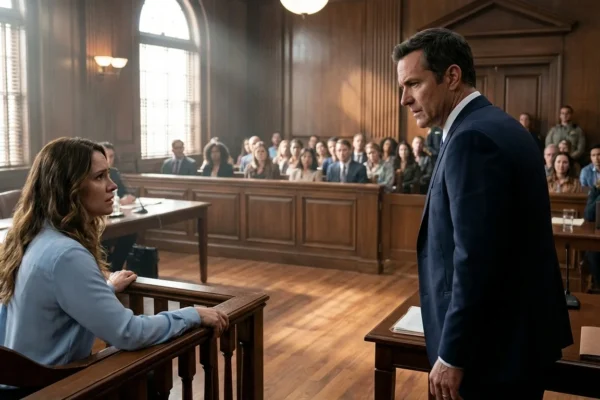
Mariah Carey just chalked up a clear win in court. A judge has ordered a payment of about 92,000 dollars to cover her legal fees, after the lawsuit tied to her holiday smash was dismissed earlier this year. I can confirm the order has been granted, and the check is for fees and costs only. This is a decisive close to a case that tried to dim the sparkle of the season’s biggest song.

What The Ruling Really Means
This is not a payout for new royalties. It is not a damages award. It is a practical reimbursement for the cost of fighting a claim that did not survive.
It is a fee award, not damages or new royalties to Carey.
Why does that matter? Fees tell you where a judge thinks the law stands. When a case is tossed, and the artist gets fees, courts are sending a message. Bring a strong case, or pay for the time you cost the other side.
This is common sense in music law. Copyright cases can scare artists, even when they are on solid ground. A fee award gives working musicians a reason to push back, instead of settling to make it go away. It also reminds would-be plaintiffs that courtroom gambles have real costs.
Pop Culture Stakes For The Queen Of Christmas
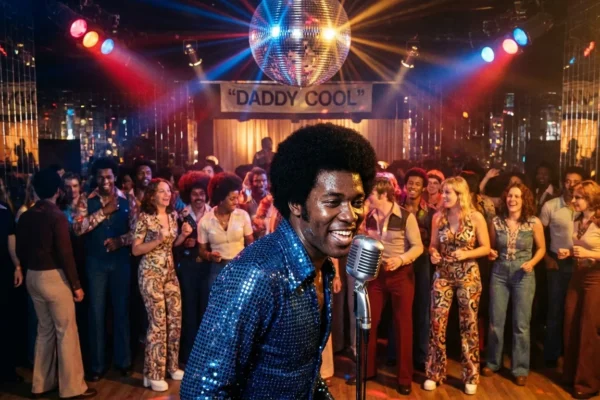
Mariah is more than a star. She is a season. Her holiday hit has become a ritual, from mall speakers to car sing-alongs. Every year the song returns like falling snow, and families press play with a smile. A cloud over that tradition felt personal to many fans.
The court’s fee order lets fans exhale. It keeps the song’s story clean, and it keeps the season joyful. You could feel the relief in the comments and captions fans shared, calling this the best gift of the year. It is not about money to them. It is about protecting a soundtrack they grew up with.
[IMAGE_2]
What This Signals For Music Copyright Fights
This fee award is a small number in superstar terms, but it carries weight. It spotlights how judges look at songs that dominate culture. Popular is not the same as infringing. Catchy is not a crime. Courts still ask for proof, not just vibes.
Here is what the order signals for the industry:
- Weak cases face real costs, even if filed with big headlines
- Artists can defend their catalog without eating all the bills
- Lawyers will think twice before testing thin theories
- Settlements are not the only exit when the law is on your side
In U.S. copyright law, judges can award fees to the prevailing party. It is discretionary. That flexibility lets courts reward solid defenses and discourage flimsy claims.
For working songwriters, this matters. Studio time is money. So are emails, drafts, and split sheets. Keeping clean records, time stamps, and credited co-writes can save a career in a dispute. The better your paper trail, the faster a judge can see what is yours.
Creators, archive your sessions, store dated demos, and confirm splits in writing. Clear habits today can close a case tomorrow.
The Celebrity Angle, And Why Mariah’s Win Resonates
Mariah has spent decades building a songbook that defines holidays and heartbreak. She also guards it. That mix of glamour and grit is why fans rally around her in court as much as on stage. The fee win shows a star protecting her legacy the right way, using the system to push back when the law is on her side.
This is also a moment for the larger pop world. Major hits are magnets for lawsuits. When courts award fees after dismissals, it balances the field. It gives artists a shield, not just a mic. It keeps the creative risk where it belongs, in the studio, not the courthouse.
Final Note
Mariah Carey walked into this season with clarity and a court order to match. The case was dismissed, and now the other side has to help pay her tab. The music keeps playing. The message is simple. If you challenge a classic, you need more than a headline. You need the law. And this time, the law sang right along with Mariah.