Stop the music. Luther Vandross just stole the Grammys without being in the room. A surprise salute lit up the broadcast, and the energy changed. You felt it. The crowd stood taller. Couples squeezed hands. The air got warm with memory and soul.
The Moment That Stopped the Room
Midway through tonight’s show, the stage shifted to Luther. A clean, heartfelt shout-out, then a few glowing bars, and the room leaned in. The tribute was brief, but it landed hard. You could see artists mouthing the words. You could hear the gasp when that velvet tone poured out of the speakers. Even in a night built for stars, Luther took center stage.
What happened next was instant. People started singing along. The hook carried through the aisles. No gimmicks. No trick lighting. Just voice, melody, and a legacy that refuses to fade.
[IMAGE_1]
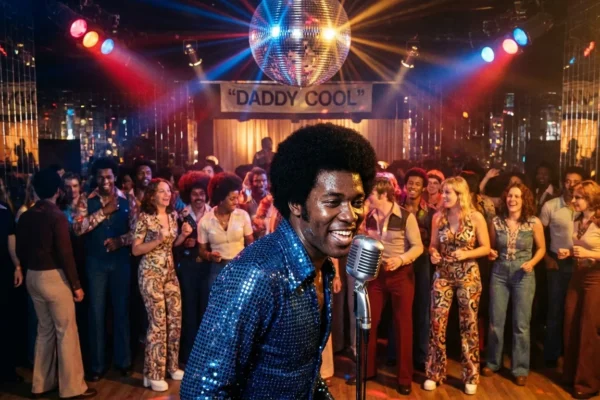
Luther Vandross won eight Grammys in his lifetime, a sign of craft and staying power.
Why Luther Still Matters Right Now
Luther’s music cuts straight to feeling. He made romance sound new every time. His ballads were careful and honest. His uptempo hits felt like Saturday morning sunshine. You listen, and your shoulders drop. Your doubts do too.
The Grammys stage is built for moments like this. When a giant gets saluted, the show does not just remember the past. It passes the torch. A shout-out like tonight does more than honor a legend. It invites new listeners to meet him for the first time. It also reminds longtime fans why these songs live in their bones.
The Songs We All Know
Never Too Much still bounces with pure joy. Here and Now is a wedding aisle in three minutes. Dance with My Father remains one of the tenderest songs ever recorded. Each track leads you back to the same truth. Luther’s voice felt like a hand on your shoulder, steady and kind.
The Voice That Shaped Modern R&B
Before Luther became Luther, he worked behind the scenes. He was a sought-after background vocalist and arranger. He helped shape records across pop and soul, including work with David Bowie. That training shows. His phrasing was perfect. His breath control was smooth. His choices were smart and brave.
Then the spotlight found him. The solo albums arrived. The tours got louder and more polished. The live shows were flawless and warm. Singers took notes. Whole generations did. You can hear his influence in the way modern R&B values intimacy, clarity, and care. Artists chase riffs. Luther chased feeling.
[IMAGE_2]
Start with Never Too Much, Here and Now, and Dance with My Father. Then play Superstar and So Amazing at night.
Fans, Family, and Forever Songs
Luther passed in 2005, but the music refuses to age. These songs score real life. They play at weddings, anniversaries, and quiet nights in the kitchen. They comfort grief. They celebrate joy. They treat love as serious work, and also as a gentle escape.
In the arena tonight, you could sense the elders nodding, and the younger faces listening hard. That is how legacy moves. It walks into a room, sits down, and everyone leans closer.
Here is why tonight’s salute hits so deep:
- It reminds the industry that craftsmanship wins.
- It gives new listeners a doorway into classic R&B.
- It puts real vocals back in the conversation.
- It shows how timeless production still feels fresh.
Where This Goes Next
Do not be surprised when Luther anchors playlists all week. The catalog is that strong. Put on the early albums, then the 90s ballads, then the later masterclass that is Dance with My Father. You will hear a line through all of it. Precision, patience, and heart.
And for artists who took the stage tonight, this is a north star. The lesson is simple. Make songs that feel true, then sing them like you mean it. Luther did that every time. The crowd heard it tonight. The room will keep hearing it tomorrow.
He was the blueprint for romantic R&B, and also the proof that pop can have soul and grace. Eight Grammys mark the milestones, but the real prize is what happened on that stage. One voice, a few notes, and an entire audience remembered how good forever sounds.
Luther Vandross did not appear at the Grammys. He did not need to. His legacy walked in, took a bow, and left the building glowing.