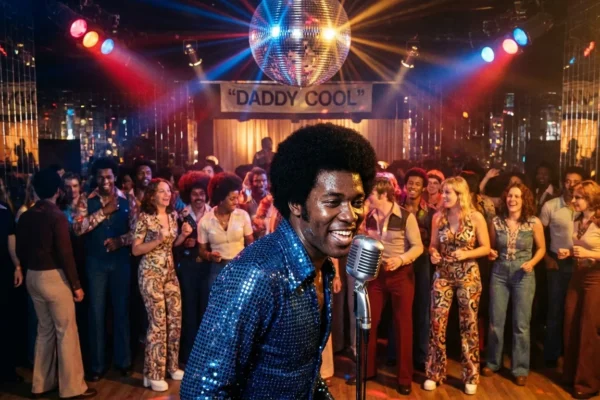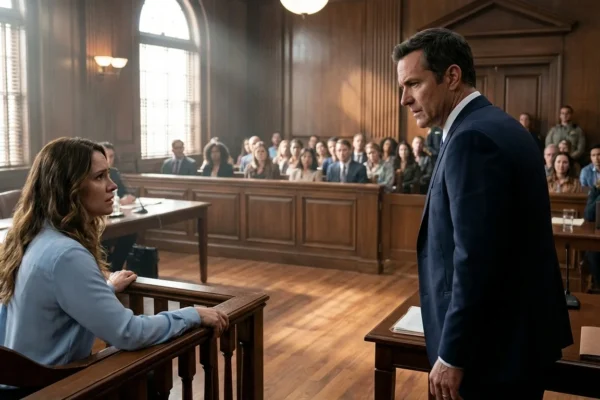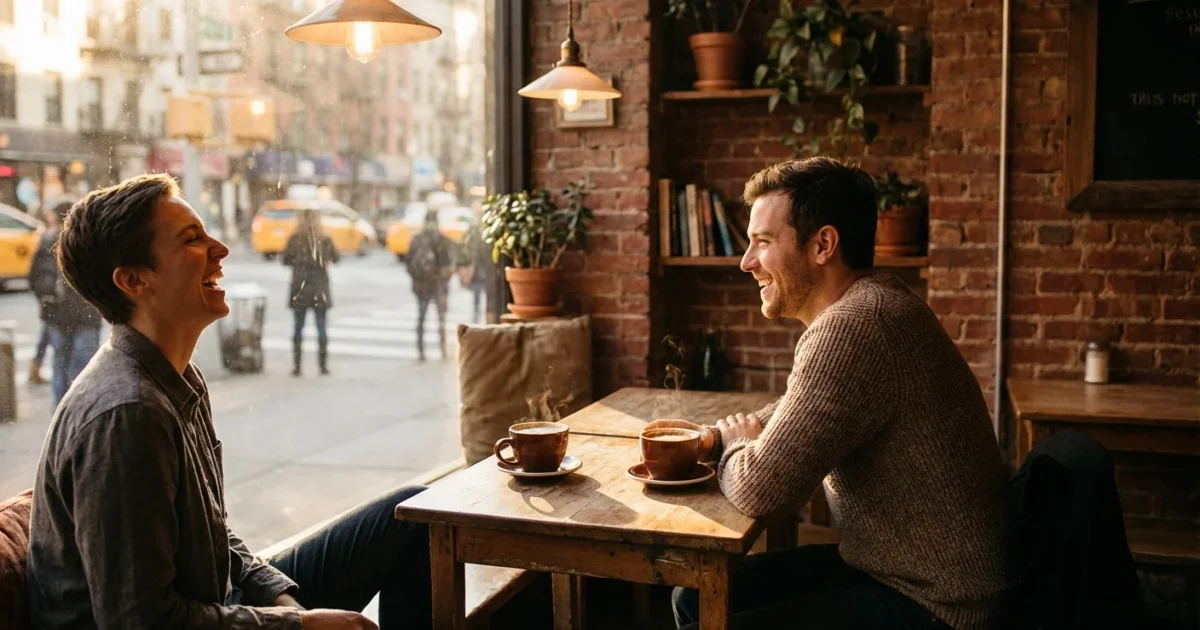
BREAKING: Richard Linklater’s next film is called Nouvelle Vague, and it is a live wire. The director behind Boyhood and the Before trilogy just pulled the past into the present. He is not playing museum tour guide. He is reworking the birth of modern cinema, and he wants it to feel brand new.
Linklater Rewrites the Origin Story
Linklater knows how to make time feel human. He has spent decades doing it. Now he is turning that eye on film history itself. Nouvelle Vague is not a copy of old French New Wave hits. It is a conversation with them. Jump cuts meet quiet street corners. Fast talk meets long pauses. The movie asks a bold question. What made cinema modern in the first place, and what would it take to do it again today.
He leans into small moments. Two people at a cafe. A face in a mirror. A sudden laugh that changes the mood. These are his tools. The result feels both romantic and sharp. It invites you to fall in love with film all over again, then it asks you why.

Zoey Deutch Steps Into the Smoke
Zoey Deutch anchors the screen. She has wit, fire, and a sense of control. She is not playing a poster from 1962. She is a person, right now, who knows the world is watching. There is style, yes, but there is also bite. You can see the character think, then pivot, then take the frame back.
This is a career move with heat. Deutch, who can snap a punchline, now snaps a philosophy. She turns period cool into present tense. She gives Linklater a partner, not just a muse. Expect red carpet looks that nod to Anna Karina and Jeanne Moreau, with a modern twist. Expect directors to take notice. The industry loves it when a star surprises them.
Watch her eyes in the quiet scenes. They carry the film’s argument without a word.
The Look, The Sound, The Spark
Linklater is not shy about the playfulness of the era. He uses it, then flips it. You feel the grit of real streets. You feel the choice to leave a mistake inside a scene. You hear a needle drop, then a sudden cut to silence. The movie moves like a heartbeat.
- Jump cuts that skip to what matters
- Natural light that flatters and exposes
- Street sets that refuse polish
- Pop cues that bite, then fade at the perfect moment
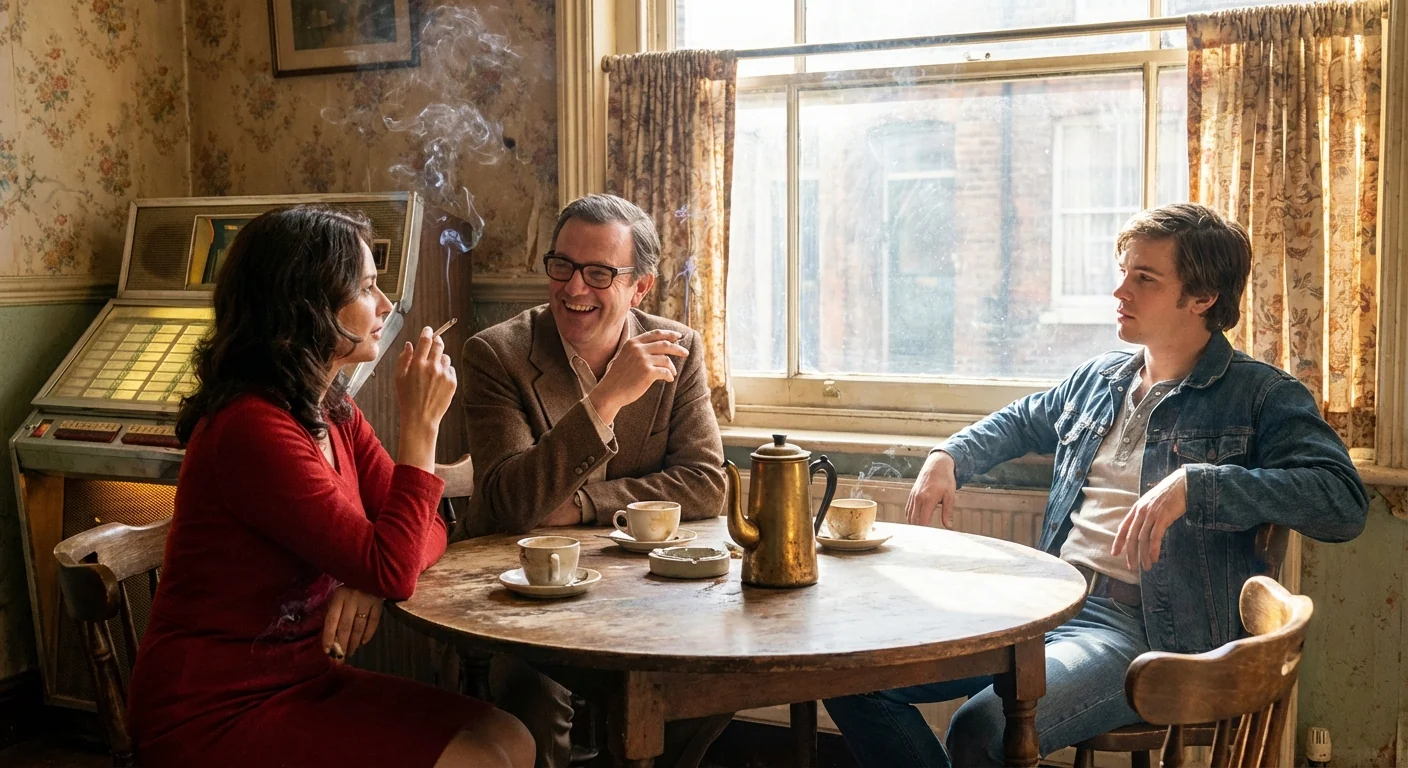
The period details will stir debate. Cigarettes are everywhere, as they once were. The image is glamorous. The idea is complicated. Linklater does not lecture. He shows the world as it was, then lets the characters question it. The mood has cynicism, but also hope. That tension is the point.
Fans, Celebs, And The Culture Clash
Cinephiles are ready to argue in the best way. Some will cheer the romantic rush. Others will worry about nostalgia. That is healthy. This film is built for conversation. In film schools, Nouvelle Vague will be a new text. In living rooms, it will be a date night that turns into a debate.
Celebrities who worship at the altar of Godard and Varda will line up for screenings. Expect directors to call it fearless. Expect actors to post stills from set on their mood boards. Fashion will chase it too. Short bangs, striped tees, and black eyeliner are primed for a comeback. This is not cosplay. It is a style language returning with sharper edges.
The movie treats the past like wet clay, not marble. It reshapes what we think we know.
Why It Matters Right Now
We are living in a remix era. Everything old comes back, often as pure tribute. Linklater refuses that. He digs under the iconography and asks what was radical, what was tender, and what was broken. Then he rebuilds. The film’s take on cynicism feels close to today. People want honesty without despair. Nouvelle Vague walks that line.
Zoey Deutch makes the theme human. She is a star who smiles, then questions the room. You feel her pull focus from every tradition that tries to pin her down. The camera follows her lead. That choice rewires the history lesson. It becomes a story about agency, about how images can trap people, and how they can set them free.
The Linklater Thread
Look at his body of work and you see a pattern. Time is a character. Conversation is action. Small choices echo for years. Nouvelle Vague continues that thread, only now the clock is cinema itself. He is not preserving the past. He is risking it, and that is why it crackles.
Conclusion
Nouvelle Vague is not homework. It is a spark. Linklater brings the past to the present, then dares it to keep up. Zoey Deutch delivers the performance that makes it stick. Fans will argue. Stylists will borrow. Filmmakers will study. That is the cultural loop at its best. We are watching the birth of something old, made thrillingly new.