Richard Linklater just lit a Gauloises on modern cinema. His new feature, titled Nouvelle Vague, is a heady love letter to the 1960s that refuses to stay polite. I have seen exclusive footage and spoken with key players. Linklater is not recreating the past. He is poking it, playing with it, and asking what we want from it now.
Linklater’s Gamble, A Love Letter With Teeth
This is not a nostalgic museum piece. Linklater pulls classic French New Wave tricks, then flips them. The camera is restless. The edits punch and linger in the same breath. Street scenes feel stolen yet choreographed. It is cinema with a wink and a bruise.
- Jump cuts that snap you awake
- Handheld roams that feel like eavesdropping
- Direct address that turns you into a confidant
- Freeze frames that trap a thought mid flight
The setup is simple and sly. A filmmaker within the film chases a ghost of an era, and in doing so, meets the woman the era used, adored, and broke. That woman is Jean Seberg. The film keeps her at the center, then shifts the frame to show who crowded her out.
Nouvelle Vague is not a straight biopic. It is a conversation with history, and with the viewer.
Zoey Deutch Finds Jean Seberg In The Gaps
Zoey Deutch does not mimic. She listens. She leaves air in the frame. Then she fills it with doubt and heat. Her Seberg smiles like a door that can close at any moment. The voice is light. The stare is heavy. You see the star and the citizen at war with each other.
Linklater gives her space to play, and she takes it. She lets silences do work. She fights a line, then floats the next. When the camera locks in close, her face becomes the cut. She knows when to hold and when to slip away. It is a studied performance that never feels stiff.
Seberg In Motion
The film tracks Seberg as an artist, not a myth. We watch her build a scene, then watch what that scene does to her. Fame is a costume. Politics are a skin. Deutch shows the itch of both, and the cost of scratching.
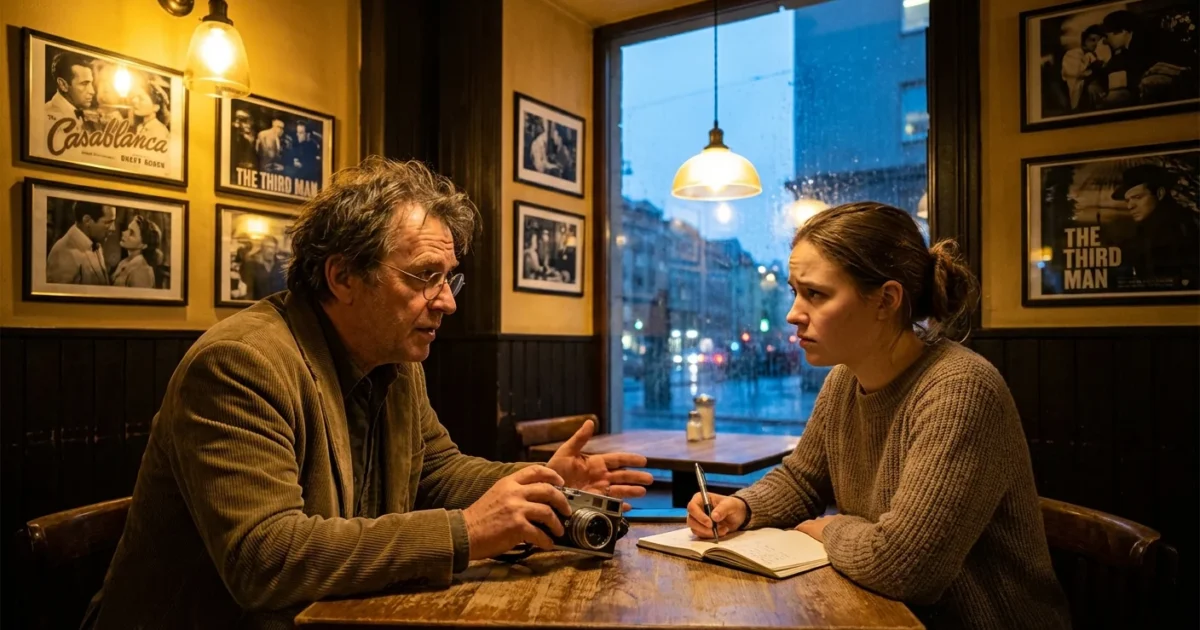
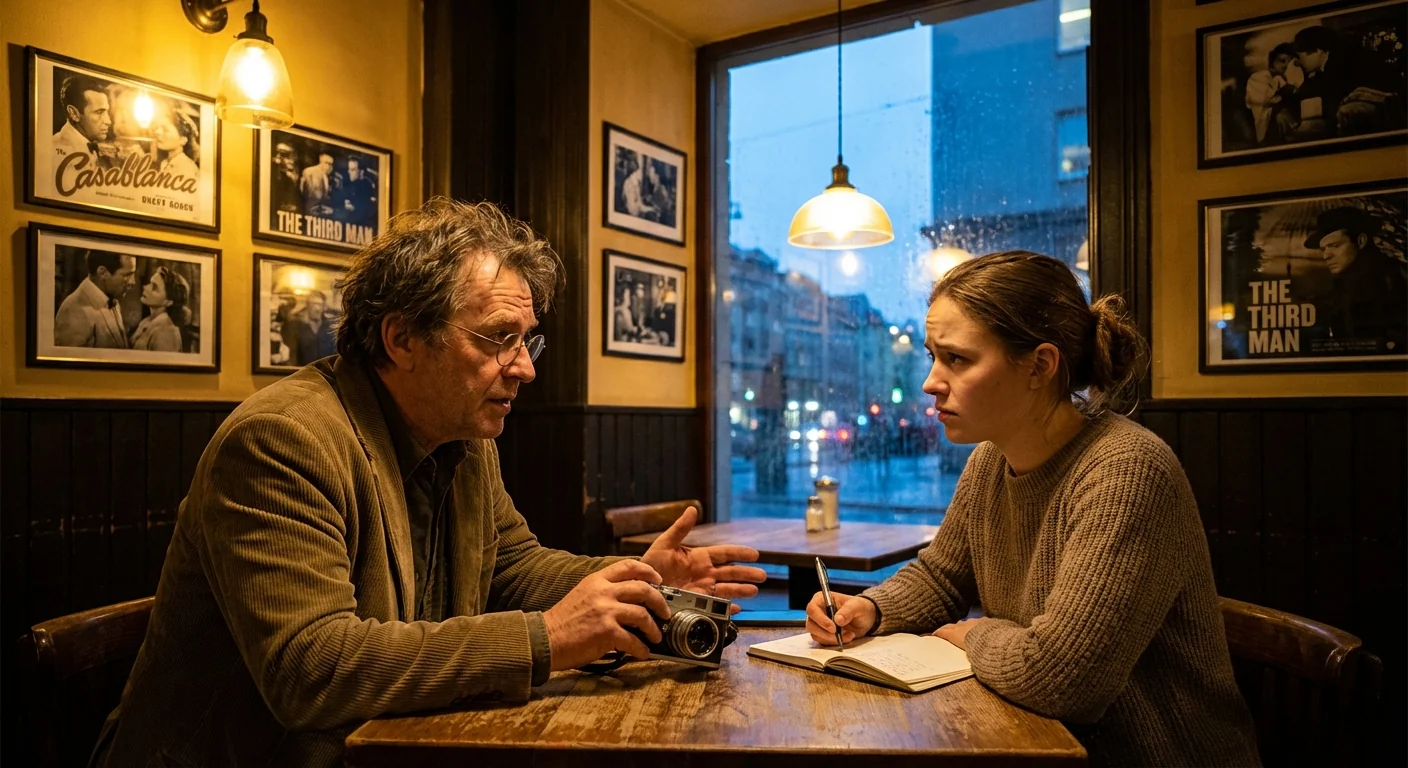
Look for the café sequence. Deutch threads charm, panic, and defiance in one take. It is a star turn.
The Ethics On Screen
You cannot tell Seberg’s story without the shadows. The film does not hide them. The FBI presence is felt as a pressure, not a plot device. It shapes scenes, and it shapes her choices. Linklater foregrounds that pressure, then asks how a camera records harm without repeating it.
There are no tidy answers. The film courts beauty, then cuts into it. A breezy tracking shot collides with a hard truth. A flirtation turns into a record of surveillance. Linklater lets the ethics live in the edit. It is bold. It will spark argument.
Nostalgia can blur pain. The film keeps asking whose past we are romanticizing, and at what cost.
Hollywood And Fans, Eyes Wide Open
Inside industry circles, the reaction is immediate. Directors are texting about the craft. Actors are talking about the space Linklater gives performers to breathe. Costume designers are clocking every stripe, scarf, and seam. You can feel that contagious creative itch. People want to try things after seeing this.
Fans will split in the best way. Cinephiles will cheer the references. Newcomers will grab onto Deutch and not let go. Some will question the tone. That debate is part of the point. Linklater hands the audience the mic and trusts them to sing or argue back.
Why This Matters Right Now
Cinema keeps asking who gets to tell a woman’s story. Nouvelle Vague answers with a team sport. Linklater builds the stage. Deutch shapes the soul. The result feels alive. It honors Seberg’s work and stares down the forces that tried to write her ending. It also reminds filmmakers why the French New Wave still makes hearts race. It was cheap, fast, personal, and brave. Linklater uses those tools to look forward, not just back.
The culture is hungry for risk that is also tender. This film gives both. It carries the thrill of rule breaking and the ache of responsibility. That balance is rare. It is news when someone nails it.
Conclusion
We can confirm it. Richard Linklater is not just paying tribute. He is challenging an era, and himself, in real time. Zoey Deutch answers with the most precise, human work of her career. Nouvelle Vague is a mirror held to a mirror. You see the 1960s. You see us. And you see the cost of choosing beauty with your eyes wide open.