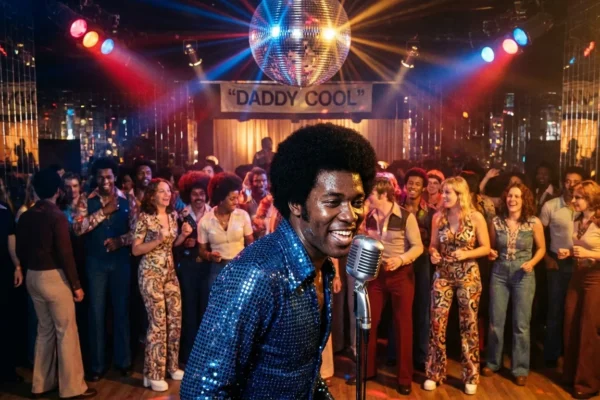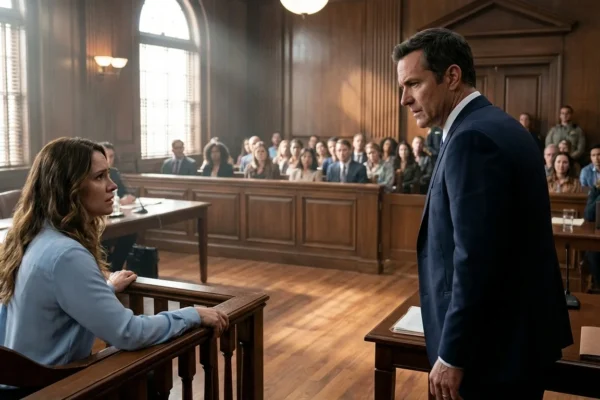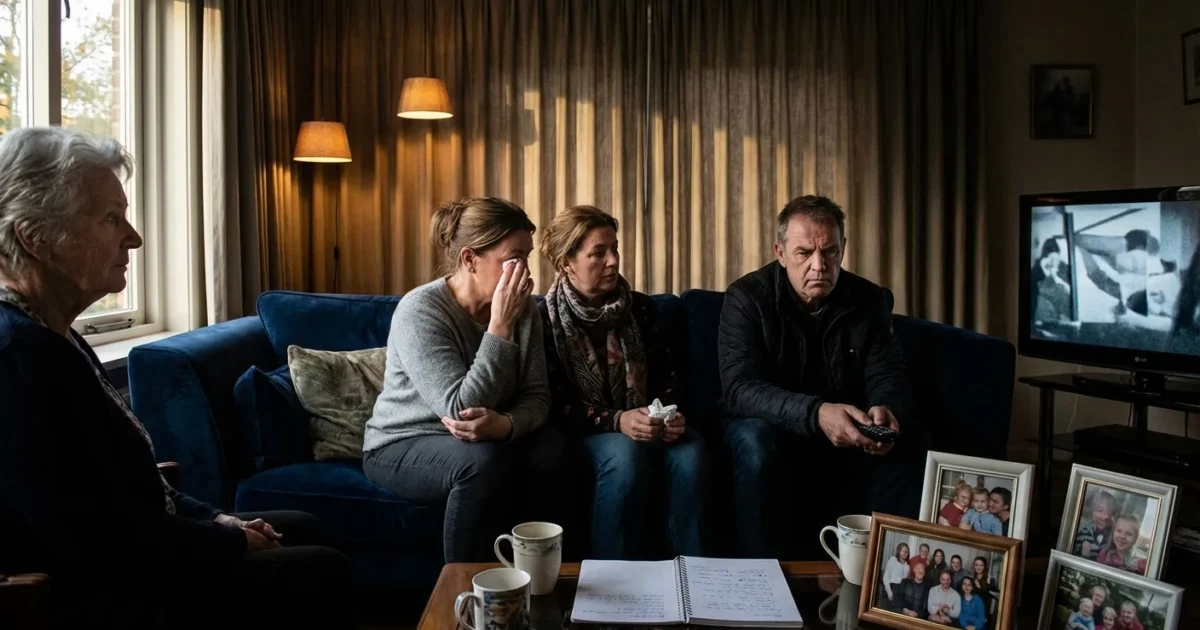
BREAKING: Lifetime just lit the fuse on the most polarizing true-crime movie of the year. The Karen Read case is now on primetime, and it lands like a thunderclap. The legal fight is not over. The emotions are raw. The movie still went live, and it demands a reaction.
What Lifetime Puts On Screen
The film opens cold, in snow and doubt. It tracks the night Boston police officer John O’Keefe was found outside a Canton home in January 2022. It follows Karen Read, the girlfriend accused of striking him with her SUV and leaving. The camera stays tight on her face. It wants you to decide if she is a villain or a victim.
Katie Cassidy leads with control and heat. She does not play Read as a caricature. The performance is calm, often haunted. The script pushes toward big questions. Did the crash happen as charged. Or did something else unfold inside that house. The movie never fully chooses a lane. It nudges both.
The score leans suspense. The editing is fast. Key beats from the real case are here, including the mistrial in 2024 and the promise of a retrial. The “Free Karen Read” movement shows up on screen too. Protest scenes carry a buzz of anger and loyalty. The tone is tense, sometimes overwhelming, always watchable.
This case remains unresolved. Legal charges are pending. Everyone is entitled to the presumption of innocence.
Fact Versus Fiction
True-crime movies simplify. This one does, then tries to hedge. It brings you to the snowy curb, the cracked taillight, and the townhouse door. It shows Read insisting she did not do it. It shows police pushing their theory. It also suggests a wider circle of questions around that house and who knew what.
Here is what viewers should clock while watching:
- Timelines are cut and stitched. Real life took months. The film moves fast.
- Private conversations are imagined. No one had a recorder in those rooms.
- Courtroom exchanges are cleaned up. Real trials are slower and messier.
- Side characters feel blended. The story trims names and backstories to fit.
A dramatization is not evidence. It is a story built from public facts, filings, and creative choices.
The film gets the snow, the SUV, and the legal stalemate right. It gets the emotional stakes right too. What it cannot do, by nature, is prove a theory. That is not a movie’s job. That is the court’s job.
The Celebrity Angle, And The Audience Split
Cassidy carries the weight of playing a woman at the center of a culture storm. She keeps it human, not tabloid. The supporting cast mirrors the frenzy around Read, from neighbors to cops to cable anchors. The performances understand something key. Everyone in this orbit feels watched.
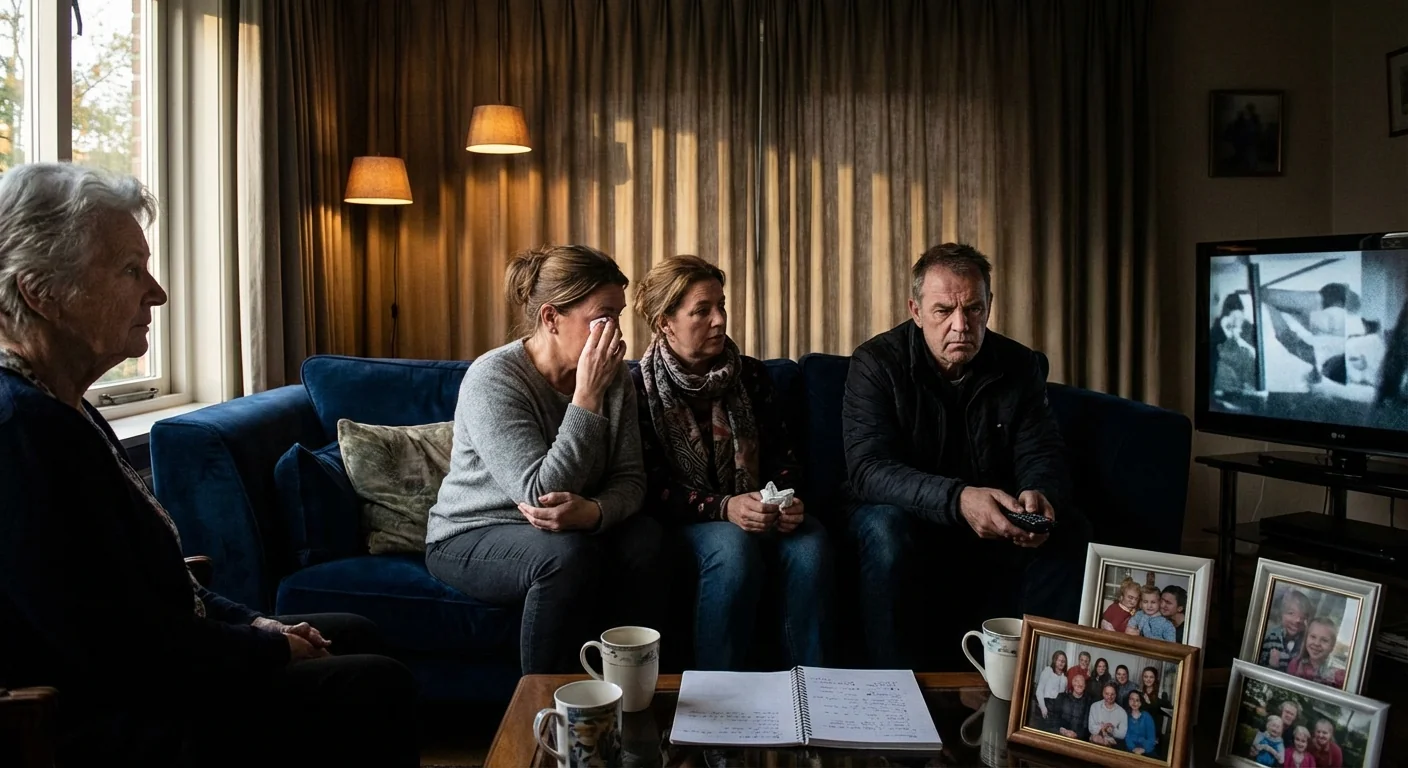
Fans of true crime will be glued. Some viewers will see the film as validation of Read. Others will call it a slick defense that arrives too soon. Families affected by the case will feel this release in their bones. This is real pain, not an entertainment puzzle. That mix of grief and spectacle is the story.
[IMAGE_2]
The Ethics, And Why This Matters Now
Releasing a movie while a case is still live is a choice. It risks shaping how people talk, and how jurors might think someday. It can also force new questions into the light. Both things can be true at once.
The film looks hard at power and trust. It asks if institutions can police themselves. It asks how far loyalty goes when the stakes are life and freedom. It shows how a slogan on a hoodie can become a movement. It shows how a town can split down the middle. This is not just a crime story. It is a mirror for how we consume justice as entertainment.
Pop culture loves a verdict. But this story does not have one. That tension hums in every scene. It is the most honest thing about the film.
What Comes Next
The legal clock keeps ticking. Prosecutors have signaled a retrial. The defense is gearing up again. The movie, for all its heat, changes none of that. It may change conversations at dinner tables. It may change how people remember certain details. It will not decide a courtroom outcome.
For viewers, a simple playbook helps. Watch with empathy. Hold room for doubt. Separate performance from proof. When the credits roll, remember who still lives with the fallout.
The country is watching, but the jury box is empty for now. Until that changes, this is entertainment rubbing up against real life, and real loss. That is powerful. That is dangerous. That is the line this film walks, frame by frame. 🍿
Conclusion: Lifetime’s Karen Read movie is sharp, tense, and loaded. It captures the storm, not the truth. The truth is still out there, waiting on the record, not the screen.