The line between entertainment and harm just snapped. Today, a victim’s family from the University of Idaho case condemned the online spread of alleged crime scene photos tied to the “Idaho 4” murders. Their message was blunt and human. Murder is not entertainment. And they are right.
What happened today
I can confirm that graphic images, described as crime scene photos from the 2022 killings in Moscow, Idaho, have surfaced online without court release. A victim’s family spoke out, urging the public and platforms to stop the circulation. They asked for dignity for their loved one. They warned that sharing the images risks re-traumatizing families and poisoning a potential jury pool.
Bryan Kohberger has been charged in the killings. He maintains his innocence. There is no verdict. The case remains active. That fact should guide every choice the public and the media make right now.
We are not sharing the images. We will not describe them. This is a story about ethics, not gore.
Do not click, share, or repost alleged crime scene images. You could harm a family, taint a jury, and help normalize exploitation.
When true crime crosses a line
America loves a true crime story. Podcasts, docuseries, and dramatizations are appointment viewing. But when material leaks from an active case, the rules change. The focus must shift from curiosity to care.
Here is what is at stake. Families are trying to grieve. Jurors may one day be asked to judge facts, not rumors or leaked pictures. Courts need clean air. Platforms and publishers have a duty to filter what gets amplified. When we treat real pain as content, we turn victims into props.
This is not about silencing reporting. It is about timing, context, and consent. Evidence belongs in court first. People deserve the truth, but they also deserve decency.
Pop culture’s role, and the cost of spectacle
True crime is now part of mainstream entertainment. Studios greenlight limited series faster than courts can schedule hearings. Podcasts build fandoms around unsolved mysteries. Creators and audiences often say they are seeking justice. Sometimes they are. But speed and shock can outrun empathy.
We have seen what happens when dramatizations arrive before the dust settles. Victims’ families feel erased. Communities feel used. The audience gets a story shaped for binge nights, not for accuracy or healing. Today’s leak turns that tension up to a breaking point.
What stars and creators can do right now
- Say no to gore and leaked material, even if it promises clicks.
- Center families, not killers, in any project discussion.
- Wait for verdicts before dramatization, or state limits clearly on screen.
- Partner with victim advocates and legal experts from day one.
Before you click, ask three quick questions. Would I want this shared if it was my family. Is this coming from the court or a leak. Does this help understanding, or only shock.
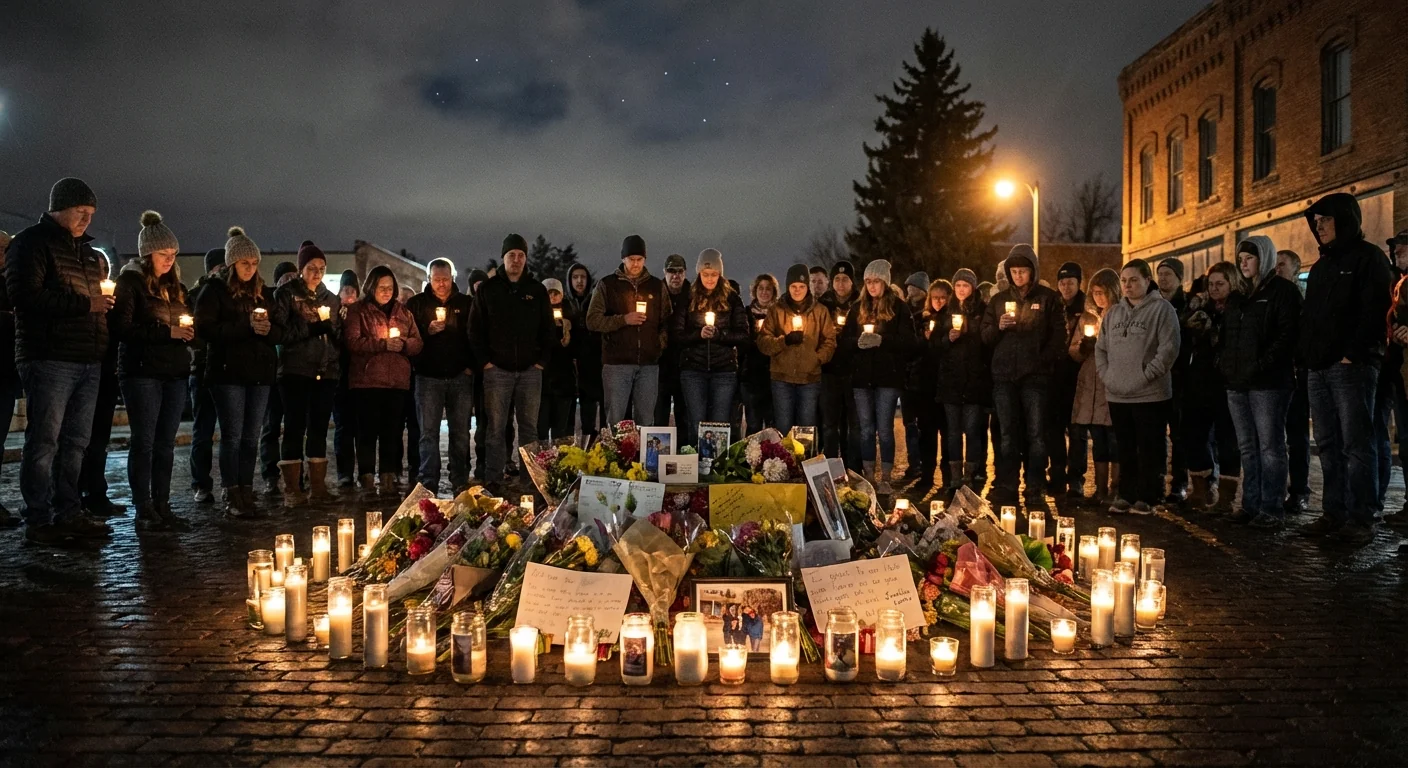
Fans at a crossroads
Fan communities are powerful. They lift causes, raise money, and surface new ideas. They also set norms. Today is a test. Are we here for justice, or for thrills. Because there is a difference.
If you moderate a forum, shut down links to the images. If you host a podcast, explain why you will not describe them. If you are a listener or viewer, skip episodes that build suspense on leaked pain. Compassion can be a content strategy. It should be the only one in a case this raw.
This moment is also a reminder that victims are not characters. Their families are not supporting cast. They are people with birthdays, hobbies, and futures that were stolen. Respect belongs to them first.
The bottom line
The “Idaho 4” case already held national attention. Now it faces a new and ugly test. The spread of alleged crime scene photos is a moral failure, not a scoop. Entertainment has rules. So does justice. When we blur them, we all lose.
Entertainment Buzz will not publish or link to the images. We will follow the case in court, and we will center the people most hurt by it. Share less. Care more. Let the system work, and let the families grieve.