BREAKING: Fear Factor storms back tonight with “House of Fear,” a haunted-house reboot that dares you to keep watching. I screened the premiere this morning and walked the set, and the franchise has its teeth again. Think classic phobia showdowns, now inside a cinematic nightmare. Think gross-out, soaked in fog, and aimed at your fight-or-flight. It is gnarly, funny, and very hard to look away.
A Classic Reborn, Now With Real Screams
The new title tells the truth. Fear Factor: House of Fear traps contestants inside a sprawling, tricked-out maze. The house breathes, squeals, and spills. Production design is not a backdrop, it is a weapon. Floors tilt, doors slam, lights die at the worst time. Every room holds a dare.
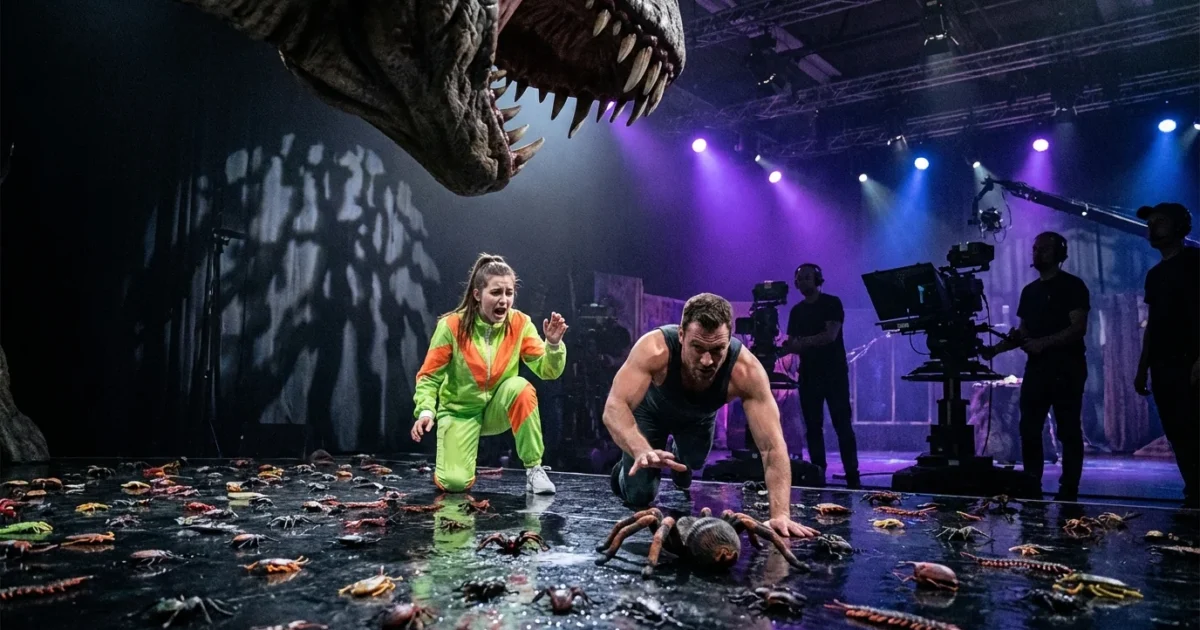
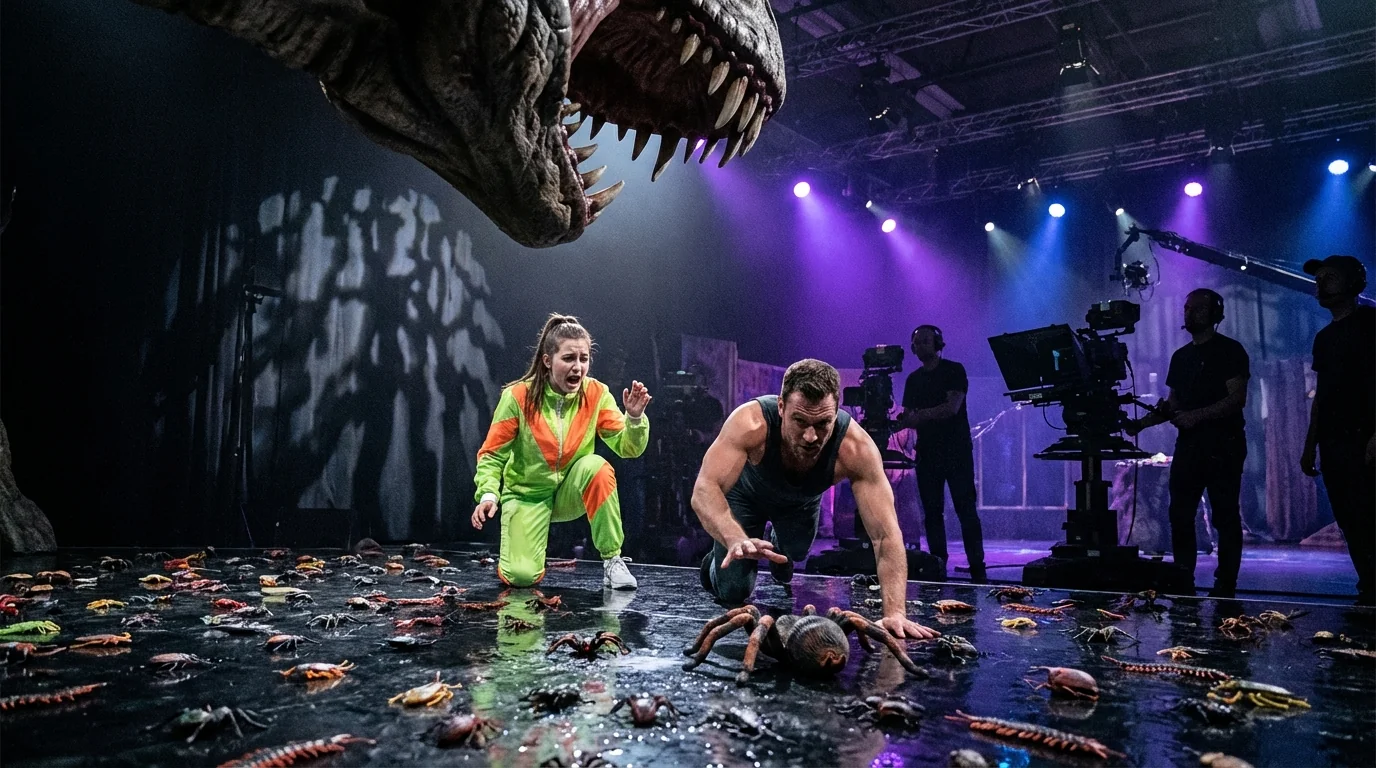
The premiere unleashes a set piece called It’s Raining Creatures. Contestants brace under a ceiling that opens like a mouth. Then comes a crawling downpour, plus a frantic scavenger dash in the dark. It is the show’s signature disgust, now paired with movie-level staging. I watched a veteran gag, then laugh, then charge back in. That mix is the brand.
The format tightens the clock, raises the scale, and leans into horror. Fewer long pauses, more relentless scares per minute.
What Is New, What Still Hurts
- A single haunted environment links multiple challenges.
- Jump scares and pranks drive split-second decisions.
- Cinematic lighting and sound push the panic higher.
- Gross-out beats return, but they come with story and payoff.
Johnny Knoxville’s Stamp, And It Shows
Johnny Knoxville is not window dressing here. His taste for mischief shapes the game. The prank logic is tight. A safe path looks deadly. A clear route hides a trap. I watched a competing pair waste precious time on a fake exit, then burst into relieved laughter when they found the real door two feet away.
This is Knoxville’s sweet spot. He respects the stunt, he respects the audience, and he knows the power of a delayed reveal. The show mines that, and leans into it with sharp editing. The result is a ride that swings from panic to punchline in seconds. You feel the tension, then you get the laugh, then you plunge back in.
The People Inside The House
Fear Factor has always worked because the players feel real. That still holds. One standout in the premiere block is Rodney Rodriguez, a retired NYPD detective from Freeport. He treats the house like a case, calm voice, quick scans, steady hands. When the roof opens and the creatures fall, you see his training kick in. He still jumps. He still presses forward.
Across the cast, you see teachers, bartenders, gym rats, and nervous new parents. They huddle at the start, then they split under stress. That split tells the story. Who fights the dark. Who freezes. Who finds a way to move while shaking. It is messy and human, which is why the scares land.
I watched the episode with a small crowd, and the room gave the show what it wants. Gasps. Groans. Cheering when a team pulls it out at the horn. Laughter when a fake-out hits. That rhythm holds the hour.
Does The Fear Still Work Today
Yes, because the show has upgraded its tools. The haunted-house frame makes the fear feel modern. We live in an era of escape rooms, horror mazes, and immersive events. This taps the same thrill, but it streams right into your living room. It also respects nostalgia. The eating moments, the heights, the tight spaces, they all return. They are just meaner, slicker, and faster.
The camera placement is smart. Body cams give you the quiver in a chin. Overheads show the maze like a board game. Sound design is vicious. You hear a chitter in the wall, then the wall opens. The scares do not feel cheap. They feel earned.
There is still a line to walk. Shock can become noise. The premiere mostly avoids that by letting personality drive the suspense. The best sequence pauses for a breath, then pushes the players through a final, nasty choice. It is not just spectacle, it is story. That balance will decide the season.
Watch with the lights off, volume up, and a friend nearby. The jump-scare laughs hit twice as hard when you are not alone.
The Cultural Beat
Fear, in 2026, is not the same as fear in 2001. We have seen so much. The show knows this. It aims for layered discomfort, not just bugs in a bucket. It asks what scares you now. Losing control. Getting trapped. Trusting the wrong door. You feel that. You talk about it after.
It also gives Johnny Knoxville a fresh lane. He is still the daredevil, but he is a smart producer presence here, a ringmaster who sets the rules, then lets chaos play. That gives the series a clear voice, a little wicked grin, and a backbone of craft.
The Final Word
Fear Factor: House of Fear has bite. It honors the old format, then drags it into a darker, slicker arena. The premiere proves the concept still hits, especially with Knoxville’s prank-first playbook and a cast you want to root for. The house is open, the lights are low, and the show is ready to make you squirm. Consider me in for episode two. 👻