Jodi Hildebrandt is back in the spotlight today. Netflix has rolled out a true crime documentary, Evil Influencer, and it puts her story front and center. The film digs into how a trusted voice in family advice fell apart in public. It also asks what we expect from influencers who speak to parents and children every day.
From parenting voice to prison sentence
Hildebrandt built a loyal audience by preaching discipline and moral clarity. She teamed up with other family creators and pushed a strict approach to parenting. That brand made her look like a guide. It also made her powerful.
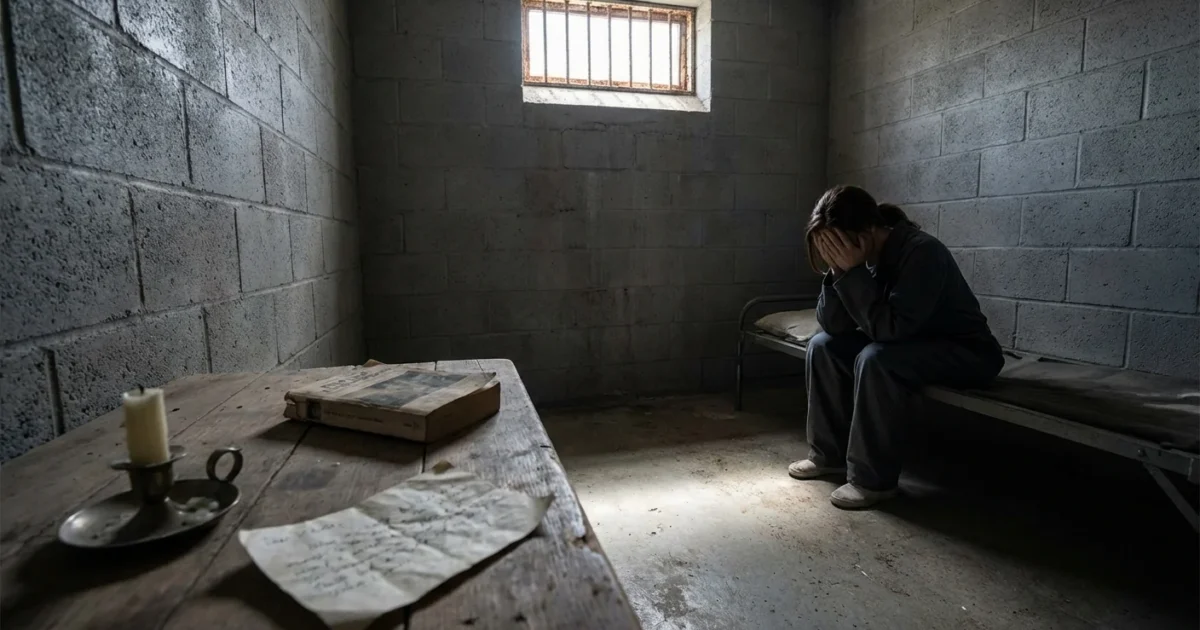
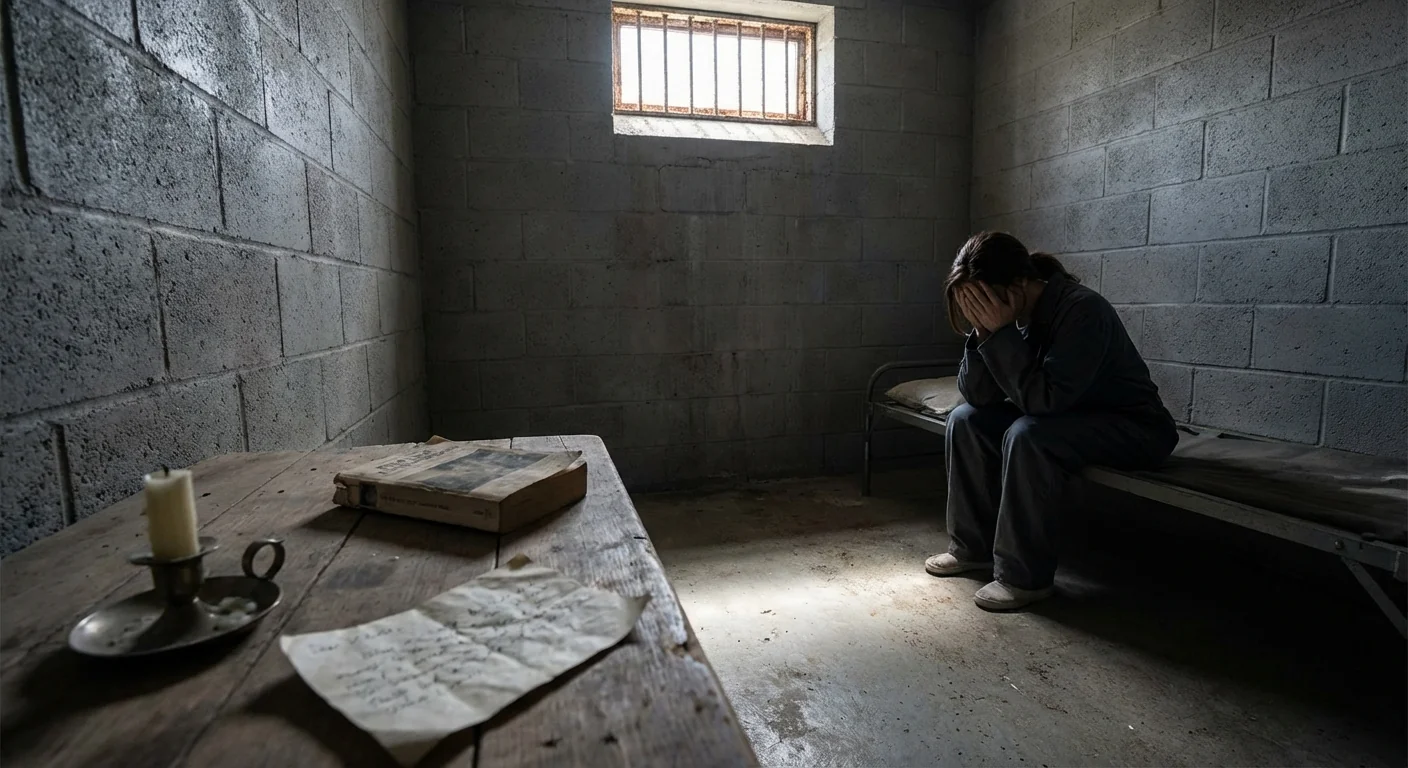
That image collapsed when police stepped in. Hildebrandt faced criminal charges tied to child abuse and neglect. She is now serving a prison sentence following her conviction. Her name is often linked with Ruby Franke, another creator from the same circle. Both women were held up as examples in the family content world. Both ended up in court.
Inside Evil Influencer
Evil Influencer frames the rise and fall in sharp detail. It shows polished clips, then cuts to the damage left behind. The jump is jarring. The documentary moves fast, then slows to sit with the hard parts. It gives viewers time to absorb what happened.
The film highlights a painful truth. A perfect online persona can mask real harm. The smiling thumbnails and strict rules created a system that some say went way too far. The documentary asks a blunt question. When does tough love turn into abuse, and who gets to decide that line?
The documentary discusses child abuse and trauma. Viewers may find scenes and descriptions disturbing.
Fans, creators, and the pop culture ripple
Fans who once looked to Hildebrandt for guidance now feel burned. Many say they ignored red flags because the advice seemed firm and clean. Family creators are stepping back and reassessing their own messaging. Some are adding clearer boundaries around kids on camera. Others are explaining how they vet coaches and counselors that appear in their content.
Celebrity parenting is also in the mix. Stars who share family life have to rethink what they post, and who they platform. The story puts pressure on brand deals tied to “perfect household” content. It is no longer cute when trust breaks and real people get hurt.
- What viewers want now:
- Clear guardrails when kids appear in content
- Outside checks on programs that claim to “fix” families
- Transparent partnerships and disclosures
- Real apologies when things go wrong
The gap between persona and accountability
Influencer culture runs on one sided relationships. Fans feel close to people they have never met. That closeness can make warnings harder to hear. It can also make harm travel further and faster.
The Hildebrandt case turns that dynamic into a mirror. Platforms reward confidence. Parents seek answers. A clean message rises to the top, even when it should face more questions. The legal system finally drew a clear line with charges and a sentence. But the internet moved far more slowly. That is the gap we need to close.
Accountability is not cancel culture. It is a duty to the people who believed, followed, and were affected.
[IMAGE_2]
Where things stand now
Hildebrandt is incarcerated, serving time for her role in the abuse case. The Netflix release has renewed attention on her path from authority to inmate. It also brings fresh focus to survivors. Their pain is not a plot twist. It is the center of this story.
The documentary links her rise to a larger machine. Advice content, coaching programs, monetized family channels. These systems reward simple answers. Families are not simple. That is why the fallout feels so heavy today.
What we learned, and what comes next
Entertainment Buzz watched the film and reviewed the record of the case. The takeaway is clear. We need better safeguards when kids are on camera. We need stronger standards for influencers who claim to coach families. And we need audiences to ask more questions, even when the voice on screen sounds sure.
The final image of Evil Influencer is not just a headline. It is a warning. The gap between a glossy persona and real life can hide real harm. Closing that gap is not just a job for platforms or prosecutors. It is a job for all of us who watch, click, and share.
The story of Jodi Hildebrandt should mark a turning point. For creators. For brands. For viewers. It should push the industry to center safety before spectacle. That is the only way family content earns back trust, and the only way these stories stop repeating.