Sharon Tate is back at the center of Hollywood’s hottest debate. The late star’s legacy just collided with a new casting confession from Jennifer Lawrence, and it has the industry buzzing. Lawrence says she once lost a Quentin Tarantino role because she was not pretty enough. The role many believe she meant, Sharon Tate. That single claim raises a hard question. Who gets to embody our cultural icons, and what does that choice teach the world about them?
Sharon Tate, the person before the myth
Tate was a rising actor in the 1960s. She brought warmth and style to every frame. She starred in Valley of the Dolls and became a fashion touchstone. She was married to director Roman Polanski. Her life was cut short in 1969 by the Manson Family. She was 26. That tragic ending became a headline. It also made people forget her talent, her humor, and her promise.
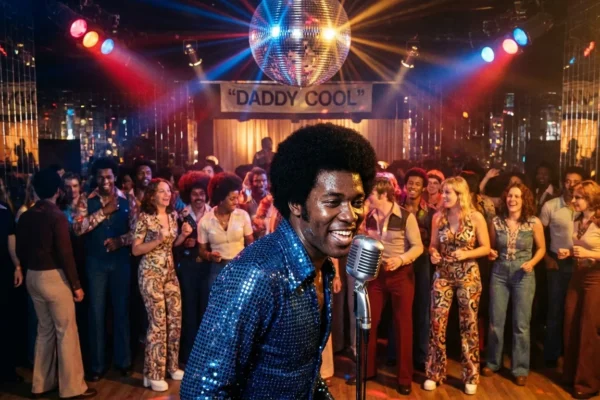
In 2019, Tarantino put Sharon Tate back on screen in Once Upon a Time in Hollywood. Margot Robbie played her as a bright, joyful presence. The film treated Tate like a dream, a symbol of what was lost, and it sparked a wave of renewed attention to her work.
[IMAGE_1]
Sharon Tate’s story is not only true crime history. It is also Hollywood history, full of craft, style, and ambition.
Casting beauty, and the power of a face
Lawrence’s comments land like a flash. The idea that she was not pretty enough for a part cuts deep. It points at a rule most actors know. Looks still steer the ship. That matters even more when a role is a real person. Casting can freeze a memory in place. It decides which qualities shine, and which fade.
Robbie’s Tate was loving, curious, and almost wordless at times. That choice drew debate. Some wanted more lines. Others said the quiet approach felt like respect. What is not up for debate is this. Millions now picture Tate through Robbie’s face and movements. That image shapes how a new generation remembers her.
When one choice becomes the story
Fans are split today. Some salute Robbie’s performance and the film’s tribute. Others hear Lawrence’s remark and bristle. They worry beauty standards keep telling the same narrow story. They also worry that real women, especially ones whose lives ended in violence, get turned into an idea instead of a person. You can feel the tension in the reaction from film circles, from casual viewers, and from those who have followed Tate’s history for years.
Hollywood’s mirror, and what it reflects
Entertainment loves a clear image. But human beings are not clear images. They are complicated. Beauty rules add pressure. They can erase edges, and soften truths. When the subject is Sharon Tate, that pressure doubles. There is the style icon, the It girl, the golden light. There is also the artist with a future that never arrived.
We have seen this pattern before. Casting choices for Marilyn Monroe or Princess Diana come to mind. The exact face matters. The mood matters. The vibe of the era matters. But so does range, voice, and the lived details that make a person feel alive. Audiences are calling for all of it, not just the poster.
- What part should beauty play when casting real figures
- How do filmmakers honor legacy without sanding off edges
- Can a star’s image lift the role, without shrinking the person
- Who gets to decide what counts as the right look
[IMAGE_2]
Revisit Tate’s own work. Valley of the Dolls, The Fearless Vampire Killers, and her TV spots show her timing and ease on screen.
The Lawrence ripple, the Robbie imprint, the Tate legacy
Lawrence did not name the role. She did not take a swing at Robbie. She shared a raw truth about the industry. The takeaway is bigger than a single part. It is the chain of choices that shape memory. Tarantino framed Tate as a symbol of hope. Robbie embodied that glow. Now Lawrence’s note reminds us how much weight Hollywood puts on a face.
This is where the conversation goes next. Directors can widen the frame. Casting teams can broaden what beauty looks like. Studios can champion performances that honor the full person. Audiences can keep asking for depth, not just dazzle. That is how we protect the legacy of women like Tate, who deserve to be seen in full color.
Sharon Tate’s story is a living one, carried by every portrayal and every viewer who looks closer. Lawrence’s remark throws a bright light on the gate at the studio door. What happens on the other side will decide how we remember not only Tate, but every icon who comes after. In the end, the goal is simple. Let the performance lead, let the person shine, and let the legacy breathe. 💫