BREAKING: The Anti Suicide Smock Has Entered Hollywood’s Chat
Today, the anti suicide smock, a safety gown used in high risk settings, takes a surprising place in the entertainment conversation. Not because it is glamorous, but because it is real. It is a blunt tool meant to save lives during a crisis. And it is touching the worlds of celebrity rehab, studio medical units, and courthouse holding cells that sometimes include famous faces.
We are putting a spotlight on what it is, why it exists, and how the industry can use it without stripping people of dignity. This is not a costume moment. This is a care moment.
A safety smock is not punishment. It is a protective garment used when someone is at acute risk of self harm.
What It Is, In Plain Terms
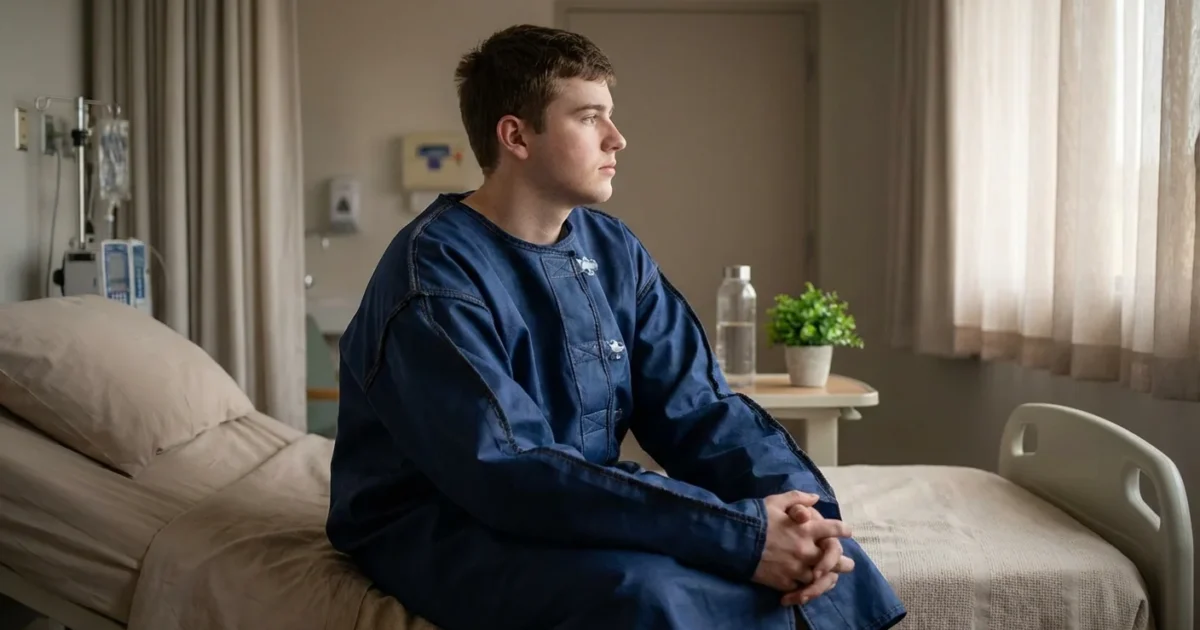
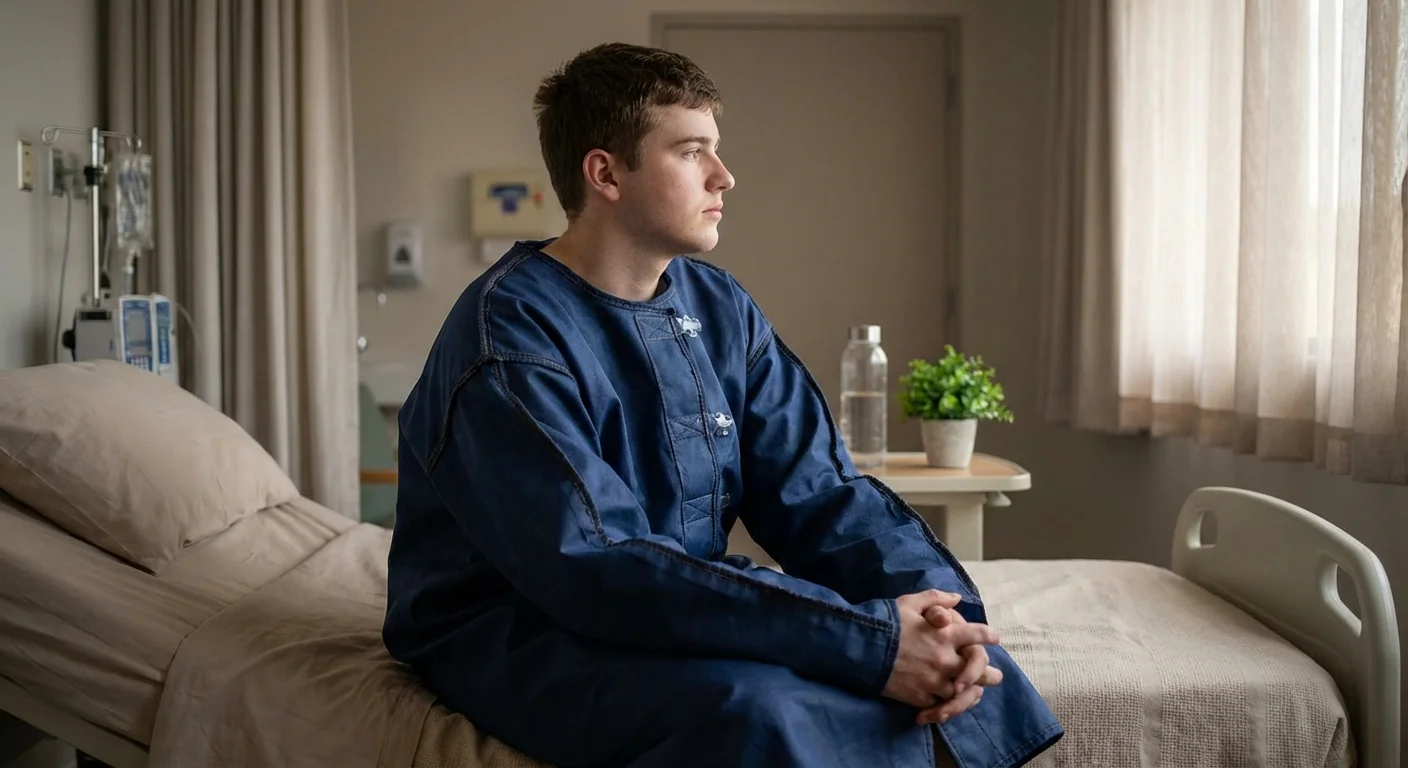
An anti suicide smock, sometimes called a safety gown, is a thick, tear resistant garment. It has no ties, no snaps, and no loose parts that can be turned into a weapon or a ligature. It is built to be hard to rip, hard to twist, and easy to put on fast.
The idea is simple. Remove anything that could be used for strangulation. Reduce hidden pockets. Keep the body covered and safe while teams watch closely and provide care. The material is soft but strong. The seams are minimal. Closures are flat and non functional.
- No belts, strings, or buttons
- No pockets or zippers
- Heavy, quilted fabric that resists tearing
- Oversized fit to prevent manipulation
It appears in psychiatric units, emergency rooms, jail intake, and courthouse cells. Anywhere the risk is high, staff might reach for this gown first. That includes spaces where actors, musicians, and public figures sometimes land during a crisis.
Where It Shows Up In Pop Culture Life
Hollywood has a wellness footprint that most fans never see. Studio clinics. Set medics. Private treatment centers. Protective custody rooms during hearings. The safety smock lives in these quiet places.
When a star is in crisis, the team around them knows the playbook. De escalate first. Remove hazards. Keep observation tight. A smock can be part of that plan for a short window. It is not a cure. It is a pause button that keeps the person alive long enough to get help.
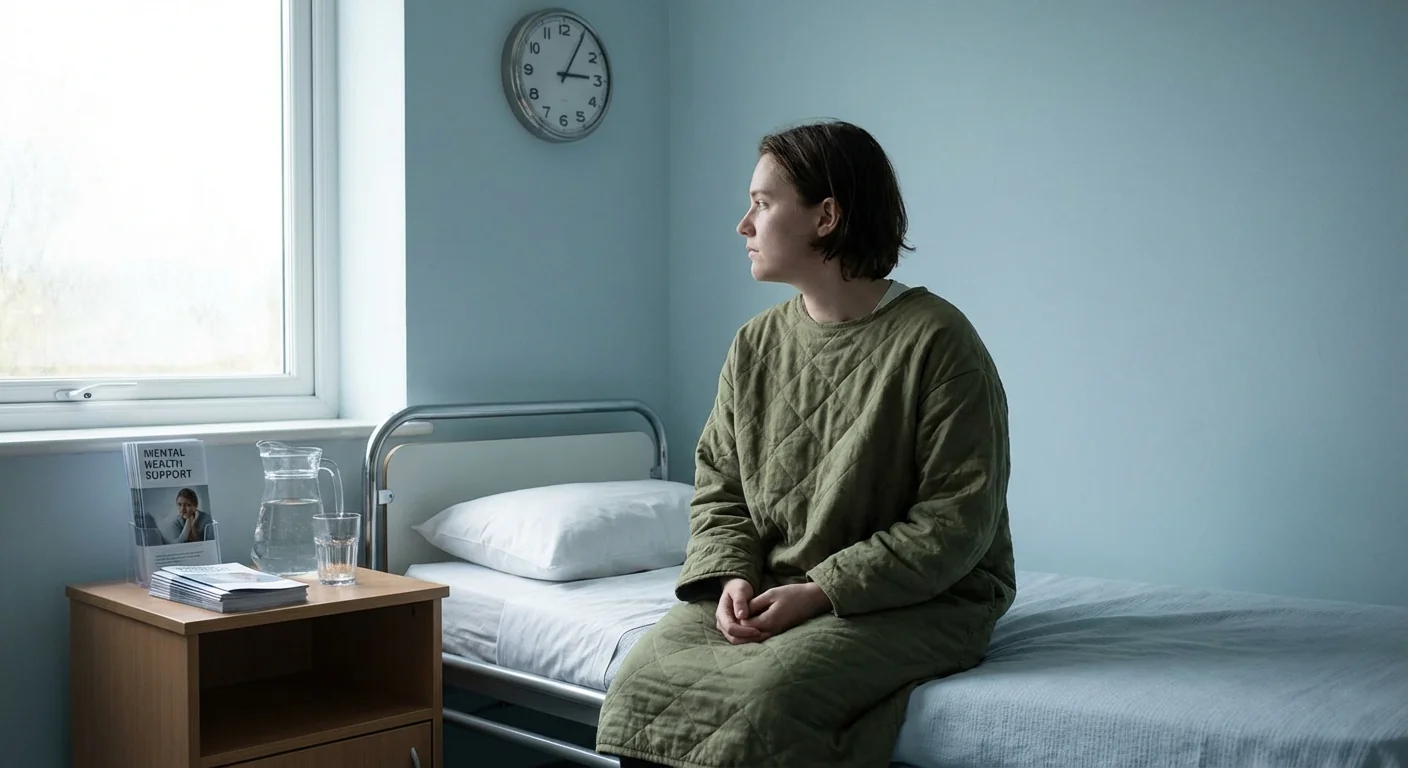
Fans get it. They ask why a beloved figure is seen in a bulky green gown. They ask if it is dehumanizing. They want a better path. The truth sits in the middle. The smock prevents immediate harm. Respectful care must follow.
The Debate: Safety Versus Dignity
There is a real tension here. On one side, families and staff want to avoid tragedy. On the other, people fear shame, trauma, and overuse.
Critics say the smock can feel cold. Some worry it replaces therapy with quick optics. Others worry that public figures get different rules. Supporters counter that in the most dangerous minutes, it buys time. Both things can be true.
The best programs use the garment with strict guardrails. Short duration. Clear clinical reasons. Constant observation. Trauma informed language. Fast transition into real treatment. Privacy protections, especially for anyone in the public eye.
If you or someone you know is in immediate danger, call local emergency services. For ongoing support, contact a trusted crisis line in your region.
What Care Should Look Like Next
Safety gear is only one piece. The industry can lead by investing in humane standards that anyone, famous or not, can expect.
- Individual risk assessments every shift, not one time
- A calm, private space, not a showcase hallway
- Compassionate staff who explain what is happening
- A plan to move into therapy, medication review, and support
Studios can also fund peer support on set, sensible rest policies, and quiet rooms. Publicists can stop the spectacle by keeping cameras away from medical moments. We cannot control every headline. We can control the care.
Use person first language. Say at risk of suicide, not suicidal person. Say died by suicide, not committed suicide.
The Bottom Line
The anti suicide smock is not a fashion story, but it is now part of the culture conversation. In the most fragile minutes of a crisis, it can save a life. The entertainment world, from studios to venues to private clinics, has a chance to set a new bar. Use the smock when needed. Use it with care, privacy, and purpose. Then move quickly to real help that treats people like people. That is the headline that matters.