
BREAKING: Hamnet lands with a quiet roar today, and it hits like a secret you feel in your bones. This is Shakespeare reframed, not as legend, but as husband and father. The camera follows Agnes Hathaway, the woman he loved, and the loss that shaped his art. The result is intimate, bruised, and strangely hopeful. 🎬
A New Lens On The Bard
Hamnet is the film that dares to look past the quill. It looks at the kitchen, the garden, and a mother’s hands. Jessie Buckley anchors the story as Agnes, often called Anne, with fierce calm. She is not a footnote here. She is the center.
Paul Mescal plays the young writer before the myth hardens. He is tender, restless, a little lost. Their son, Hamnet, is the sun they orbit. His death is not a plot twist. It is the point, and the echo. The film links that loss to the birth of Hamlet, the play that refuses to forget a child’s name.

Hamnet is based on Maggie O’Farrell’s award-winning 2020 novel, which connects the family tragedy to the creation of Hamlet.
Buckley and Mescal, Grief You Can Hear
This is not showy grief. It is quiet, like a door closing in the afternoon. Buckley carries that silence. Her Agnes feels grounded, practical, and full of wild love. Mescal gives us a Shakespeare who is watchful, hungry for words, and afraid of what those words will cost.
The ending does not hand out answers. It lets art do what words cannot. When the film reaches for Hamlet, you feel the bridge that a parent builds to a child who is gone. It is not neat. It is honest. 💔
Why It Hits Now
We are living with the aftershocks of loss. Families keep old shirts, old jokes, old names. Hamnet understands that need and honors it. It says art is a way through, not a cure. It says love leaves marks, and those marks can make meaning.
On The Ground, A Real-World Ripple
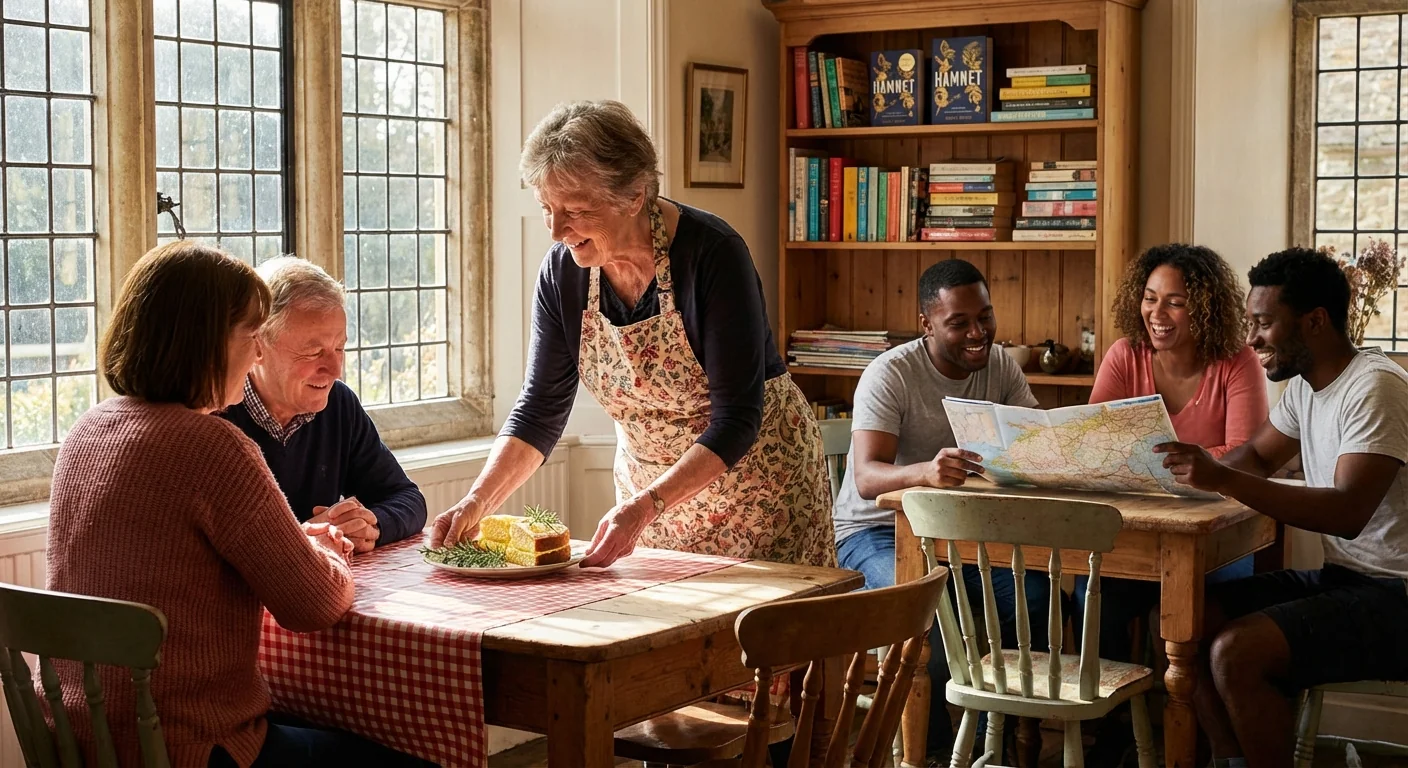
Shakespeare country is already shifting. Stratford-upon-Avon is leaning into the film’s glow, from riverside walks to half-timbered storefronts. Weobley, with its black and white charm, is getting fresh attention. Fans want to stand where Agnes might have stood. They want to feel the air of those fields.
Tour guides are mapping new routes. Bookshops are stacking copies of the novel next to playtexts. Tea rooms are naming specials after herbs Agnes uses in the film. It feels small and human, which is exactly the point. The movie takes legend and makes it local again.
Celebrity Eyes On A Legacy
Buckley and Mescal bring star wattage, but they keep it soft. Their fame opens the door, their work keeps you seated. Expect awards chatter to follow. The craft is clean, the emotions stay with you, and the film respects its audience.
Red carpet glam met homespun textures at early screenings. Linen, leather, and quiet jewelry ruled the looks. It matched the film’s vibe, earthy and elegant. This is not cosplay Shakespeare. It is lived in, and it feels modern without loud tricks.
Go in ready to listen. The quiet scenes carry the sharpest edges.
What To Watch For
- Jessie Buckley’s hands, tending, mixing, holding, letting go
- Paul Mescal’s eyes, storing pain, then turning it into poetry
- The way the name Hamnet hangs in the air, then becomes Hamlet
- A final stretch that trusts silence more than speech
Fans Are Feeling It
Inside theaters, you can sense the hush. People sit through the credits, breathing it out. Couples hold hands a little tighter. Parents share looks that need no words. This is a film that sends you home thinking about your own family altar, the stories you keep alive.
Agnes Hathaway, long called Anne, is given her older name here. The film treats her identity with care.
The Bigger Picture
Hamnet does something rare. It brings Shakespeare down to a human scale, then lifts him back up with even more light. By focusing on Agnes, it restores balance. The genius did not rise alone. He rose in a household, with a partner who bore the storm.
This is a love story and a ghost story, set in rooms you recognize. It asks what survives us. It answers with art, and with names spoken out loud. The culture around it will swell, from stage revivals to countryside trips, but the heart stays simple.
Conclusion
Hamnet arrives as a soft thunderclap, personal and public at once. It reshapes a legend by trusting a mother’s gaze. It turns grief into a bridge, not a wall. And it sends us back to Shakespeare with fresh eyes, ready to hear a name we thought we knew.