28 Years Later: The Bone Temple just kicked the doors back open on the rage virus world, and it is fierce. The new chapter hits hard, looks stunning, and delivers a star turn that will have awards voters leaning forward. I watched it land with a jolt in the room. People were holding their breath. When credits rolled, they exhaled, then cheered.
A brutal return to the rage virus world
This is the franchise grown up, scarred, and strangely beautiful. The Bone Temple moves like a nightmare you cannot outrun. It is dark, but not muddy. It is tense, but never cheap. Every frame presses down with purpose. You feel the weight of time since the last outbreak and the ache of what it cost.
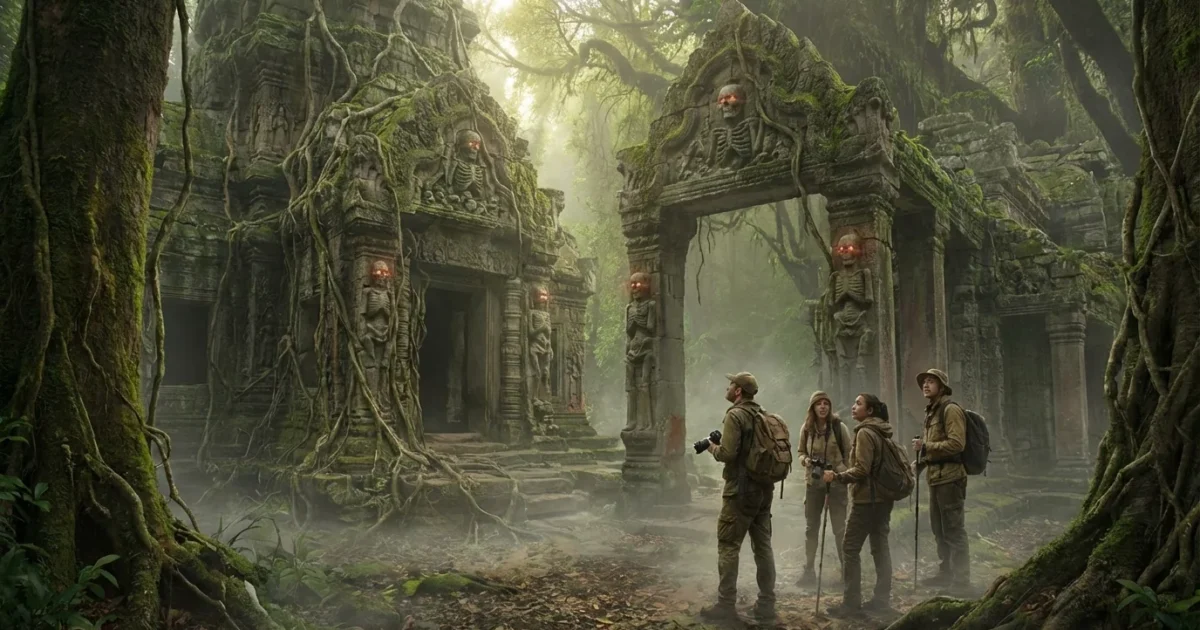
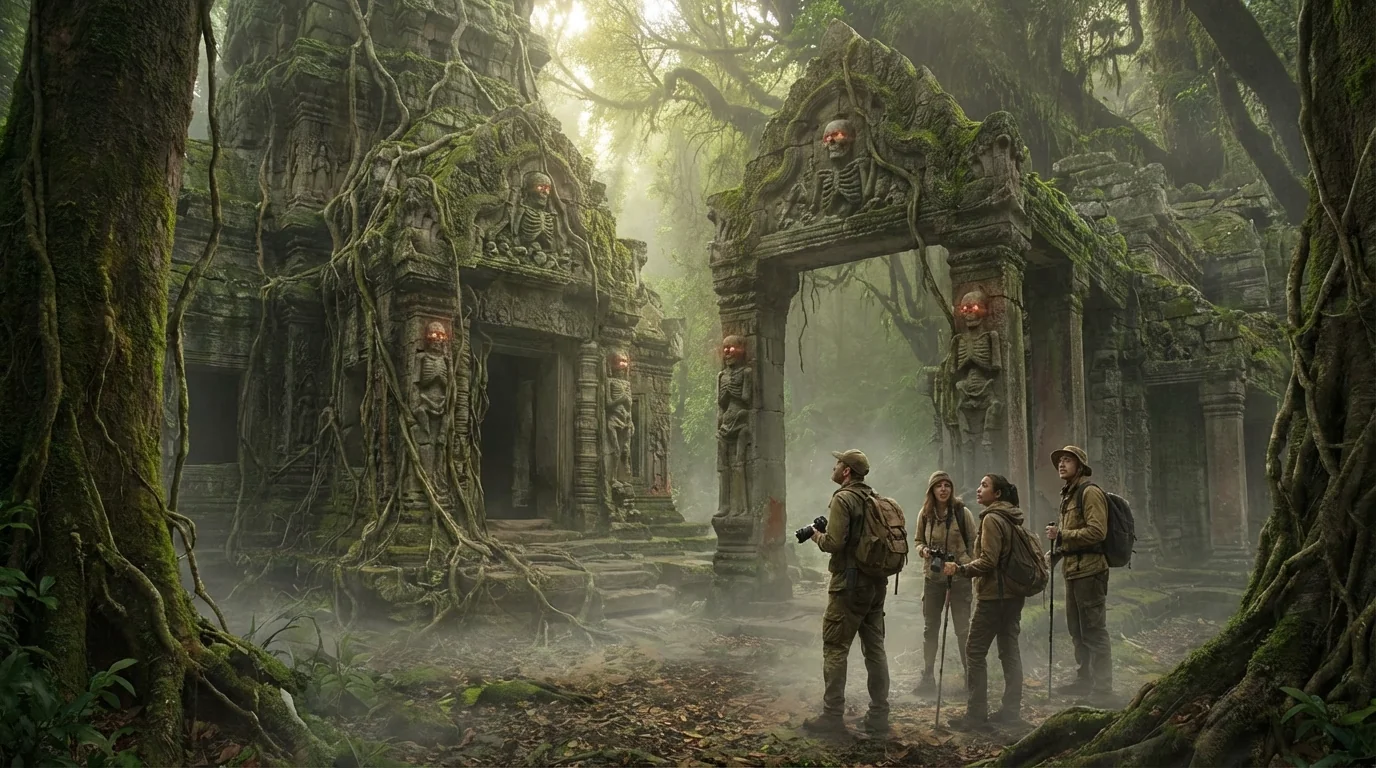
The title pays off. The film builds a sense of ritual and ruin that feels new for this universe. Not bigger for the sake of it, smarter and more precise. The action snaps. The quiet stretches hum. And when the reds hit the screen, they hit like a siren.
Ralph Fiennes, the storm at the center
Ralph Fiennes gives the performance people will talk about. He plays a man who looks calm, then cracks in ways that frighten you. His eyes do half the work. The rest is voice, posture, the way he treats silence like a weapon. He brings the kind of gravitas that resets a franchise. If you were on the fence, he pulls you in.
This is not showy for the sake of showy. It is measured and ruthless. There is one scene, a simple conversation at dusk, where he shifts from mentor to menace in a breath. That chill never leaves. You can feel the theater lean toward him, almost against their will.
Awards talk is not a reach here. Fiennes elevates every beat he touches.
Nia DaCosta’s bold new era
Director Nia DaCosta does not chase the old playbook. She keeps the DNA, the sprint and the bite, but she builds a new rhythm. The camera is calm when everyone panics. The terror blooms in daylight, then smothers you at night. She lets landscapes tell the story. Then she punctures them with swift bursts of chaos.
That choice pays off. The rage virus has always been about speed, shock, and the fear of your neighbor. DaCosta adds ritual, memory, and a sickly kind of beauty. You still jump. You also think about what it means to rebuild, and who gets to decide what lives.
Do not expect a copy of the first films. Expect controlled suspense, sharp detail, and dread that lingers.
The fans, the legacy, the culture hit
Old school devotees will feel seen. The bone-deep loneliness, the sudden sprints, the moral lines that blur, it is all here. But there is a new chill in the air. New viewers, the ones who came for the cast and stayed for the craft, will leave rattled and satisfied.
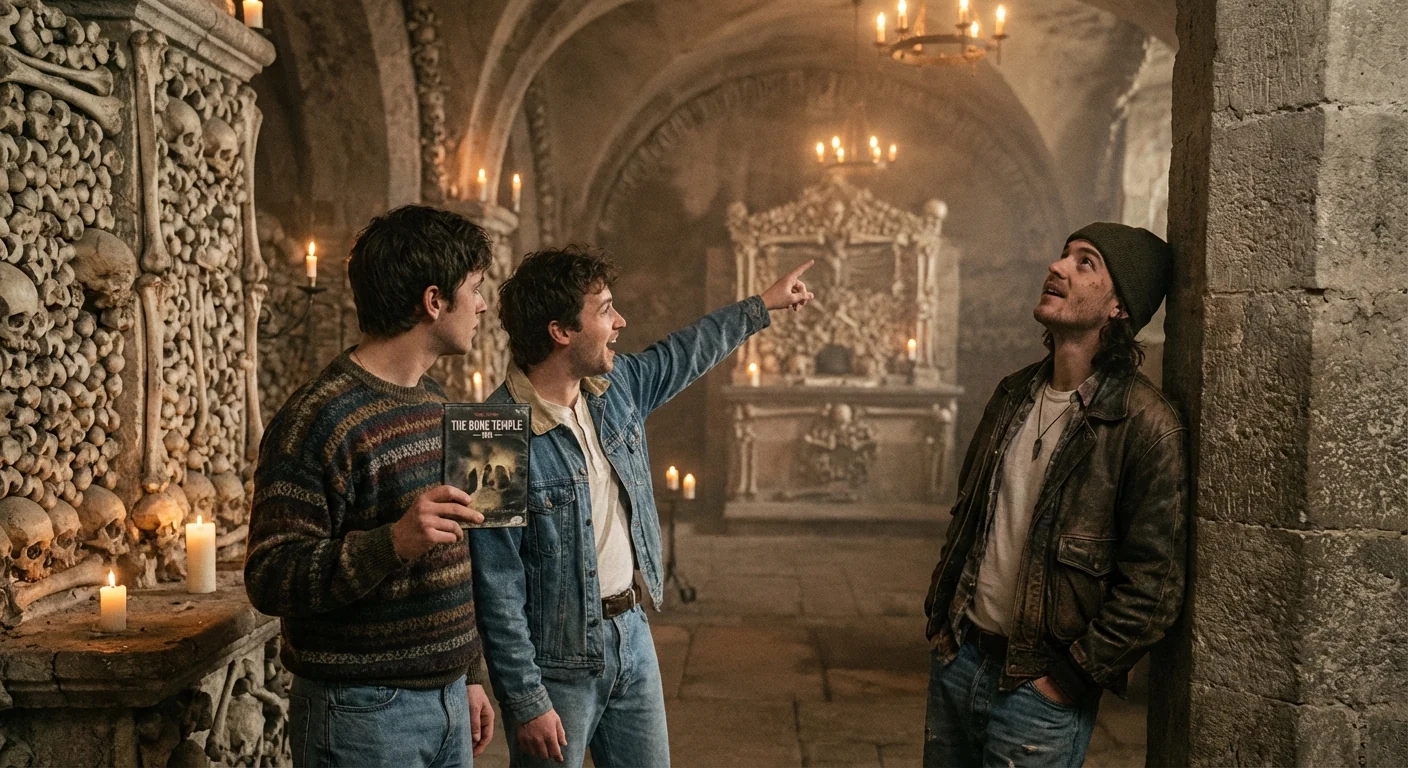
This franchise has always tapped into real fears. Contagion, trust, survival, the way a city can turn on itself. The Bone Temple adds another layer. It asks what we worship when the world breaks, and what we sacrifice to feel safe. That question lands in 2026 like a punch.
- It respects the old rules, then reshapes them
- It gives a world class actor a role with teeth
- It pushes the look and sound into artful territory
- It leaves you debating the ending on the ride home
Celebrity energy meets serious craft
You will hear about Fiennes, but this is a team win. The supporting cast is tight and lived in. The score, all fever and echo, never drowns the actors. The production design finds horror in stone, ash, and water. No gimmicks, just choices that stack and sting.
What this means for the franchise
The Bone Temple does what the best sequels do. It makes the universe feel bigger and closer at once. It does not erase earlier chapters. It reframes them. There are paths here for future stories, and the door is open. Anthology feel, same virus, new myths. That is the smart move.
This also marks a turning point for British horror on the big screen. It proves there is room for grit and elegance in the same frame. It proves audiences will follow a strong vision, even when the road is rough and strange.
The verdict
28 Years Later: The Bone Temple is the sharpest, strongest entry this world has seen. It is thrilling, unnerving, and flat out confident. Ralph Fiennes owns the screen. Nia DaCosta plants a flag and dares the next wave to come find it. The rage virus is back, and it has never felt more alive.