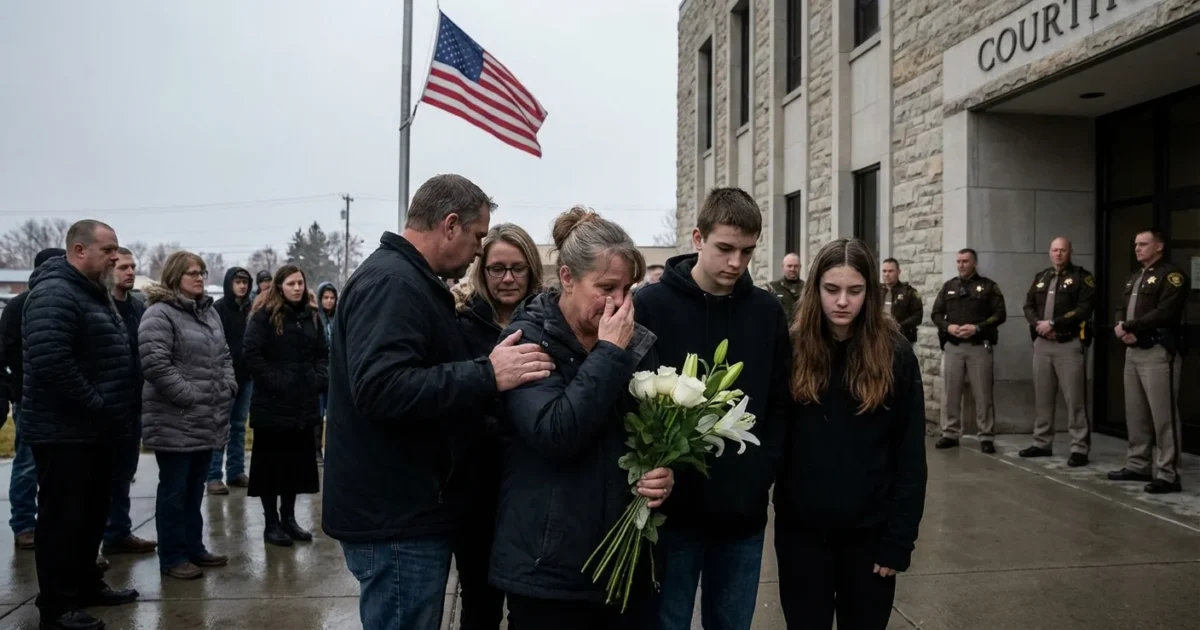
Breaking: Families of the four University of Idaho students killed in 2022 are condemning the release of graphic crime scene photos that have surfaced online. They are calling the leak exploitative and harmful. I can confirm that relatives have urged media outlets and platforms to stop the spread, and to put the victims first. Their message is clear. Murder is not entertainment.
What We Know Right Now
The case involves four students, known as the Idaho 4. Kaylee Goncalves, Madison Mogen, Xana Kernodle, and Ethan Chapin were killed in a Moscow, Idaho home on November 13, 2022. Bryan Kohberger, a criminology graduate student at the time, was arrested in December 2022. He is charged with four counts of first degree murder and burglary. He has pleaded not guilty. Prosecutors have said they will seek the death penalty.
Families tell me that circulating graphic images retraumatizes loved ones and turns real people into spectacle. They say this also risks the integrity of the case. The court has issued strict guidelines throughout, including gag orders and careful handling of evidence. Sharing leaked or protected material may violate those boundaries. It can also taint a jury pool in a capital case.
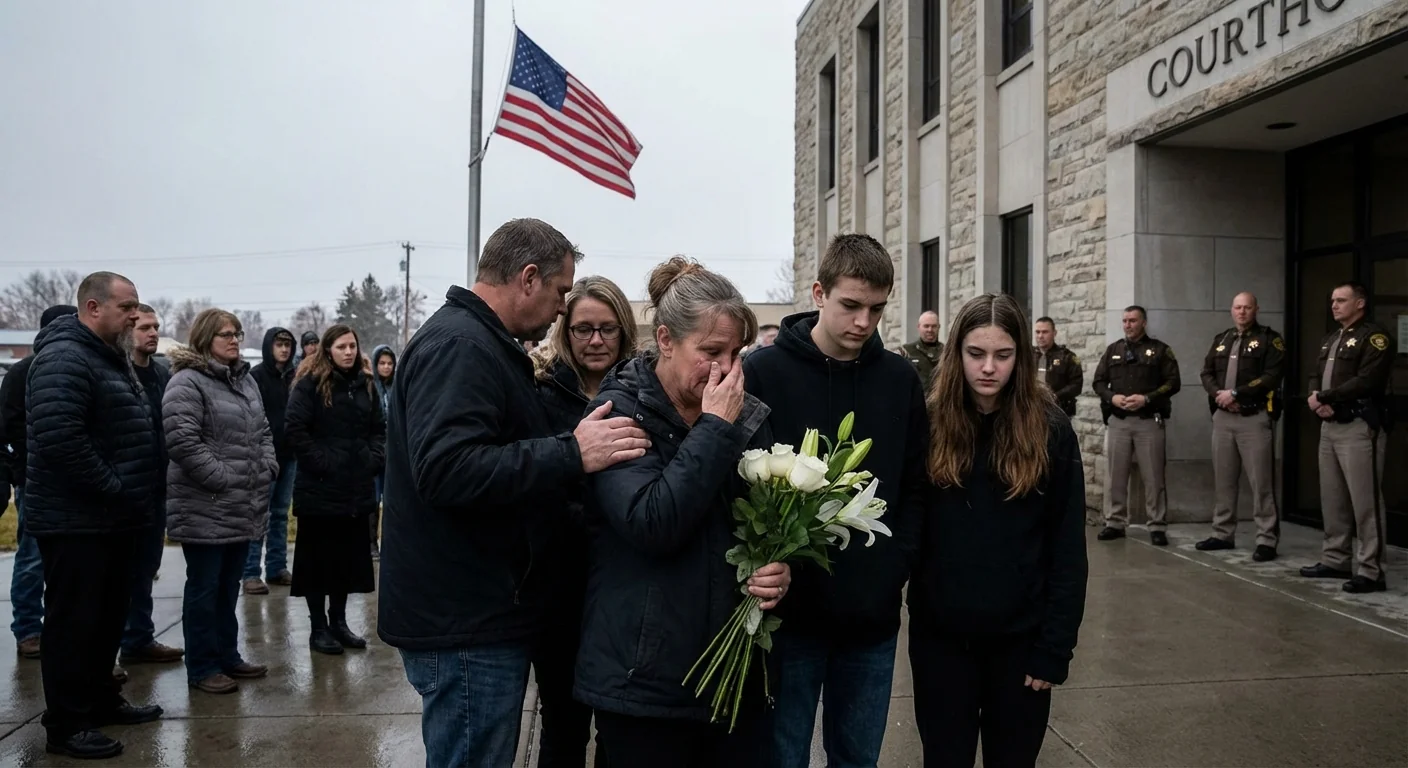
Graphic evidence is not content. Sharing it can harm families and jeopardize justice.
The Entertainment Reckoning
True crime has become a giant in pop culture. Podcasters, docuseries teams, and scripted projects chase intense stories and big audiences. Today is a gut check. When horrific images hit the internet, the line between interest and exploitation becomes painfully sharp.
This moment challenges creators. If you make content, the choice is not complicated. Do not touch leaked images. Do not amplify them. Viewers have a choice too. You can skip any show or post that trades on shock. You can ask for better. You can ask for empathy.
Hollywood has faced this before. Families of victims have pushed back when their loved ones are treated like characters. We are watching that pressure rise again. The Idaho 4 deserve dignity. The audience deserves a standard that values people more than clicks.
Ask one question before you watch or share. Would I want this out there if it were my family?
Fans, Sleuths, and the Line We Draw
Some fans feel invested in cases like this. They study timelines. They analyze filings. They talk in forums and group chats. Curiosity is human. But there is a difference between following a case and turning pain into a pastime.
Here is how to engage without causing harm:
- Do not share or describe graphic images.
- Center the victims by using their names with care.
- Wait for verified court records, not leaks.
- Respect the families’ requests for privacy.
Why It Matters For The Trial
This is a high stakes prosecution, with the death penalty on the table. Pretrial leaks can trigger motions, delays, or venue changes. They can complicate jury selection and feed appeals. Court orders exist for a reason, to protect a fair process. When forbidden evidence spreads, the ripple effects can last years.
What Creators And Platforms Must Do Now
If you run a show, a channel, or a feed, your editorial call is the ethical call. Build guardrails and stick to them. Blur is not enough. Click warnings are not enough. Omit the images. Do not link them. Do not hint at them.
Platforms need to enforce their own rules. Remove graphic leaks tied to ongoing cases. Raise the bar on moderation for true crime topics. Notify users who post or rehost such material. These are simple steps that protect both families and the courts.
Trauma informed coverage is not optional when real lives are at stake.
The Cultural Cost
Entertainment shapes how we see victims, suspects, and justice. When we reduce tragedy to content, we teach audiences to feel less and to scroll more. We normalize the worst day of someone’s life as a plot beat. That is not storytelling. That is damage.
The Idaho murders are not a genre. They are four lives cut short, four families asking for mercy from the public. As this case moves through the courts, we can choose restraint. We can demand standards from studios, streamers, podcasters, and ourselves.
Conclusion
This is a breaking moment for true crime culture. The families have drawn a line. Respect it. The story is not in leaked photos. The story is in how we respond. Entertainment can illuminate, or it can exploit. Today, choose the light. 💛