Bridgerton just dropped a word that changes the game. “Ward” is not a nickname or a throwaway line. It is a legal status that decides who gets to dance, spend, and marry. I can confirm the meaning is central to the season’s stakes, and it is reshaping how fans read key scenes. Here is the clarity everyone needs, straight from our Entertainment Buzz desk.
What “ward” actually means
In Regency Britain, a ward is a person under a guardian’s legal protection. Often it is a young woman or a minor. Sometimes it is someone who cannot manage their own estate yet. The guardian is not a parent, at least not always. It is a court recognized role with real power.
A guardian manages money, property, and public life. They approve outings. They control introductions. If the ward is under age, the guardian’s consent is often required for marriage. This was not rare in high society. It was business as much as family.
Think of a ward as a protected person whose guardian controls their purse, their calendar, and their debut.
On Bridgerton, “ward” signals that a character’s future is negotiated, not chosen. It explains why a young woman needs permission to accept a dance or a carriage ride. It explains why a suitor goes to the guardian first. The word carries rules, risk, and leverage.
Why it matters on Bridgerton
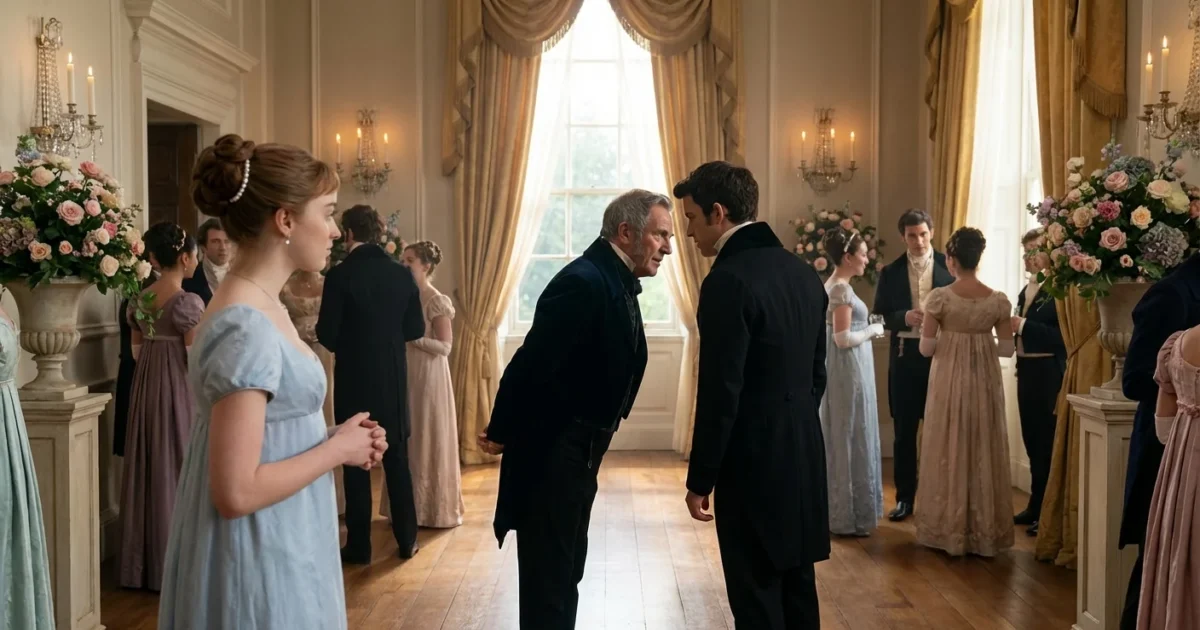
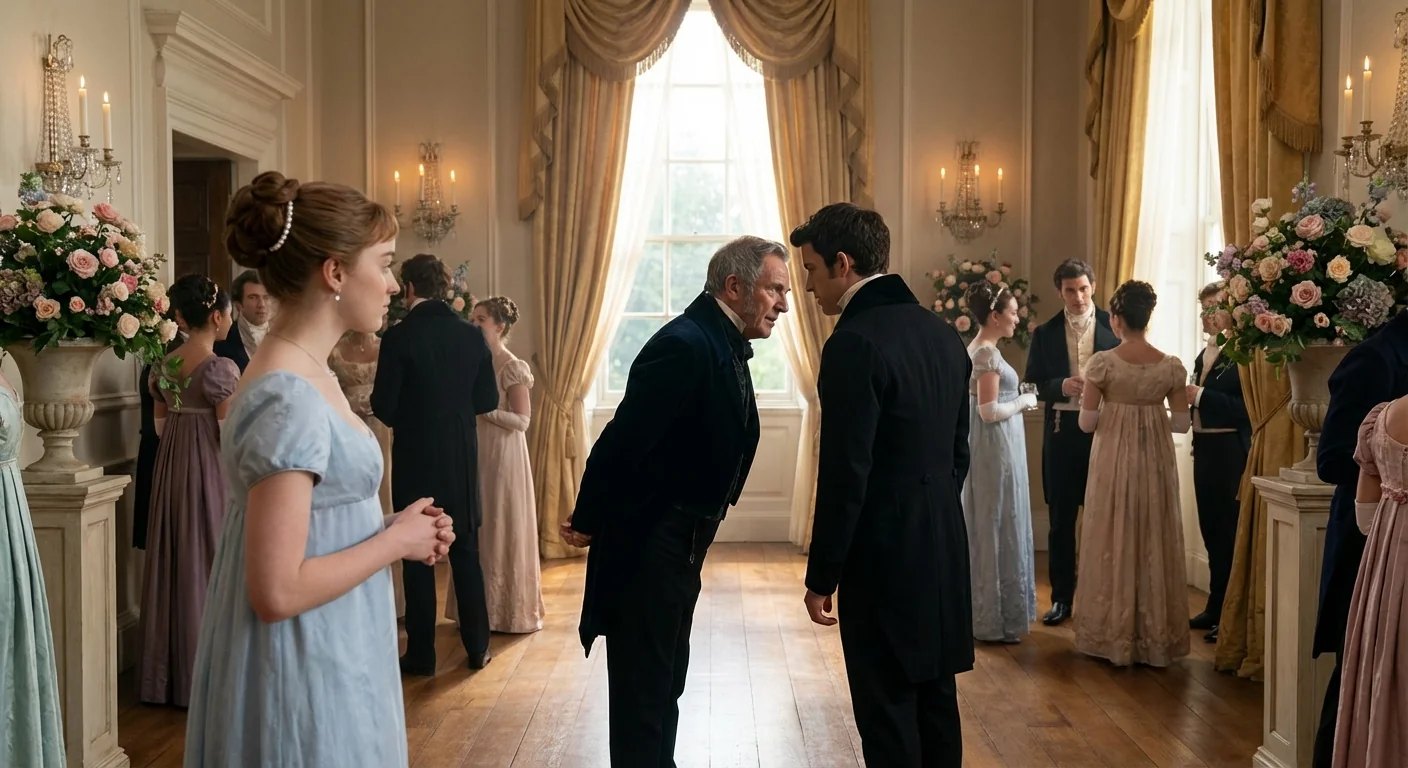
The show loves a ball. It also loves a contract. Wards sit at the center of both. When a character is introduced as a ward, the social chessboard shifts. A chaperone is not optional. A letter to a suitor may go through a guardian’s desk. Even a stroll in the park can become a political act.
Money adds pressure. A ward’s dowry is tied to the guardian’s plans. That can invite strategy or exploitation. The guardian may look for matches that protect an estate. They might delay a proposal to increase social standing. The romance is real, but the paperwork is louder.
In practical terms, this is what you are seeing on screen:
- Guardians being courted before the actual couple
- Permission scenes that decide if a meeting can happen
- Talk of dowries, settlements, and trustees
- Chaperones who are more than bodyguards, they are gatekeepers
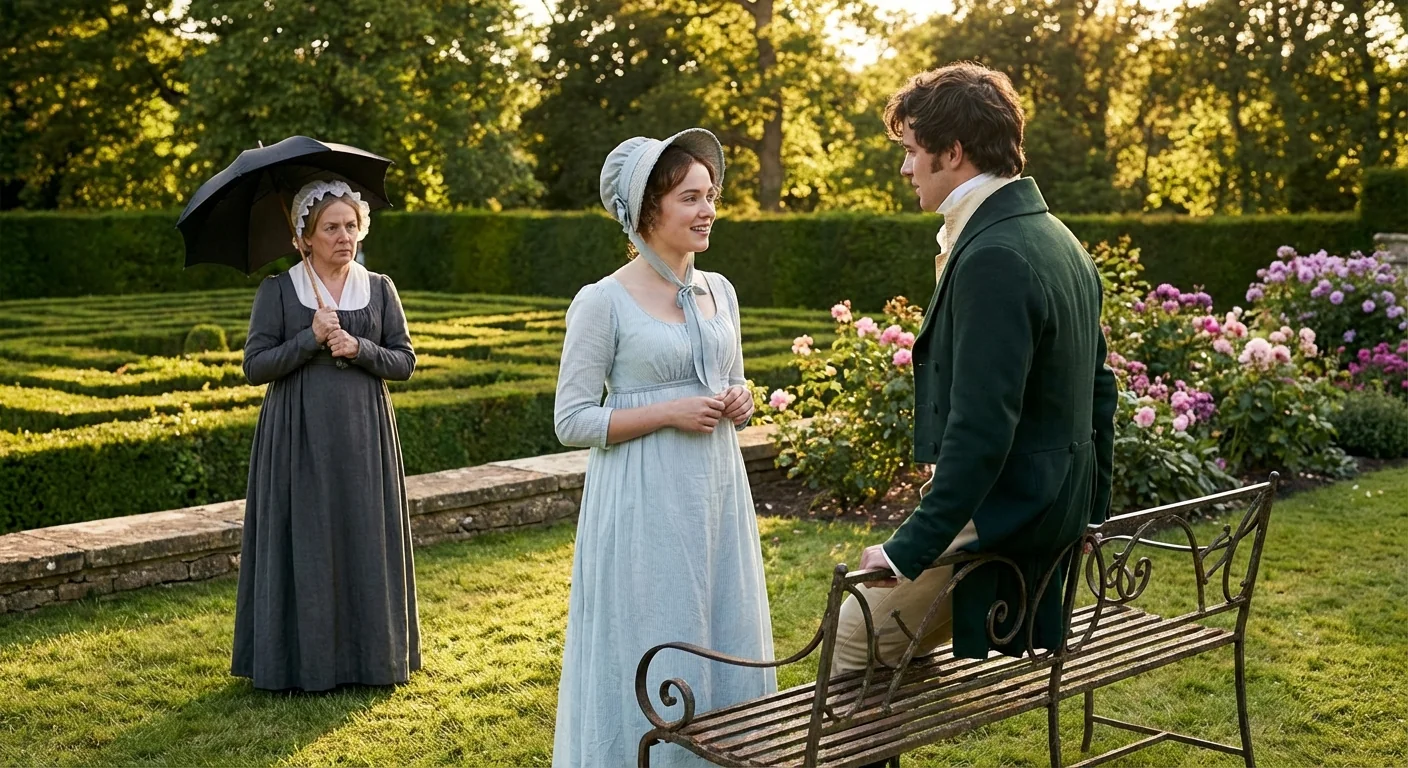
A single signature from a guardian can bless a marriage or end a season’s love story.
Power, money, and matchmaking
Wardship could start with orphanhood. It could also start with inheritance drama or a court decision. Either way, it created a power imbalance that society accepted. And exploited. A wealthy ward was a prize. A guardian could shape invitations, alliances, and proposals. In some cases, guardians angled for their own gain. That is not a spoiler. That is history.
Bridgerton uses that tension for high romance. Watch how characters speak about “permission” in hushed tones. See how a fortune changes the mood of a drawing room. A ward with a large inheritance attracts rivals. A ward with no fortune attracts rules. Both attract attention.
This is why scene partners lock eyes across the ballroom with urgency. Time is not the only enemy. Paperwork is. The show smartly builds desire against a wall of legal limits. When affection breaks through, it means more. When it fails, the silence feels cruel.
The cast is playing the stakes
The actors know the weight of one word. You can see it in the pauses before a request. You can hear it in the clipped tone of a guardian’s reply. Yerin Ha brings steel and spark to moments where a young woman’s freedom is at issue. Luke Thompson threads charm with duty in negotiations that feel like fencing. Their choices sell the rules without a lecture, and the romance without fluff.
Across the ensemble, the chemistry shifts when a guardian enters the room. The air tightens. Hands pull back. Everyone plays the power grid with precision. That is why a smile at a ball can feel as charged as a kiss. The stakes are legal, but the emotions are cinematic.
How to watch the next episodes
Keep an ear out for “ward,” “guardian,” and “consent.” Those words signal the real fight underneath the waltz. When a suitor asks for a meeting, count who says yes. When a guardian brings up settlements, listen for numbers and names. Those details reveal the endgame.
If a character cannot sign their own papers, they probably cannot choose their own future yet. That is the heartbreak and the hook. Bridgerton turns a legal label into a cliffhanger. It is not just will they or will they not. It is who gets to decide.
Conclusion
“Ward” is the quiet thunder of the ton. It is law dressed in silk. It decides who steps onto the dance floor and who waits at the edge. Now that you know, the glances, the refusals, and the sudden approvals will pop. In this season of courtship and strategy, love battles ink and influence. And every yes means more when a guardian has to say it first. 💌