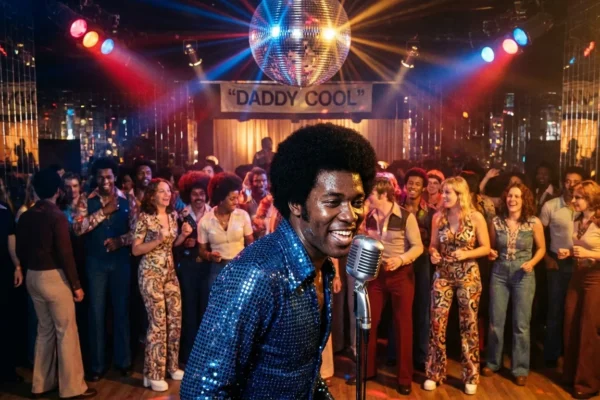
Hollywood’s newest plot twist is real life. Dextrocardia, a right sided heart, is stepping into the spotlight today, and we are breaking it down. No scare. No hype. Just facts, and how this rare anatomy quietly shapes the lives of stars, crews, and fans.
What dextrocardia actually is
Dextrocardia means the heart points to the right side of the chest. Most hearts point left. Some people have it from birth and never know. Many feel totally fine.
Two main types
Some people have mirror image organs. This is called situs inversus. The heart points right, and the liver, stomach, and other organs switch sides too. Others have a right sided heart, but the rest of their organs stay in the usual places. That is dextrocardia with situs solitus.
There is a different thing called dextroposition. In that case, the heart gets pushed to the right by something else, like a lung problem. The heart itself is not reversed. That difference matters for doctors.
Mirror image anatomy is uncommon, about 1 in 10,000 to 12,000 births. Isolated dextrocardia is even rarer. If the heart is right sided without mirror organs, there is a higher chance of other heart defects. With mirror image organs, many people live normal lives.

The entertainment angle, from sets to stages
On tour buses and soundstages, details are everything. Med teams place heart monitor stickers on the right side when needed. That is not a gimmick. For a right sided heart, the test must flip too. Ultrasound techs adjust their probe. Imaging teams label scans with care. Even a quick on set check of chest leads can change the picture.
Stunt work pays attention to chest hits and harness straps. Mic packs and costumes avoid heavy pressure over the heart region. For a performer with mirror organs, a fake appendectomy scar would belong on the left. Writers, take note. That one line can turn a scene from cute to correct.
We have seen scripts joke that a bullet missed because the heart sits on the right. That makes a great quip. It is not how real medicine works. Trauma care does not depend on lucky mirror anatomy. It depends on speed, skill, and correct gear placement.
- Myth: A right sided heart means you cannot read an ECG. Fact: You can, but the chest leads go on the right.
- Myth: Dextrocardia always causes illness. Fact: Many people feel fine for life.
- Myth: It is the same as dextroposition. Fact: One is a heart difference, the other is a push from outside.
- Myth: Surgeons just “mirror” everything. Fact: Plans change by organ and by person, with careful imaging.
If you have dextrocardia, set a Medical ID on your phone and carry a card. In an emergency, that small note can save time.
Why correct diagnosis matters in a crisis
Many discover dextrocardia by chance. A chest X ray might show the heart shadow on the right. An ECG can look “weird” until someone realizes the leads belong on the other side. An echocardiogram or CT scan then maps the full layout. That map guides every next step.
If the organs are mirrored, doctors also think about the lungs and sinuses. Some people have a condition called primary ciliary dyskinesia. That can cause sinus infections and breathing issues. It is not everyone. It is worth asking.
In the ER, right means right. Chest compressions stay midline. Defibrillator pads may shift. Catheter lines may take a different route. Even an appendectomy flips. The appendix often sits on the left in full mirror anatomy. These details are real, and they matter under pressure.
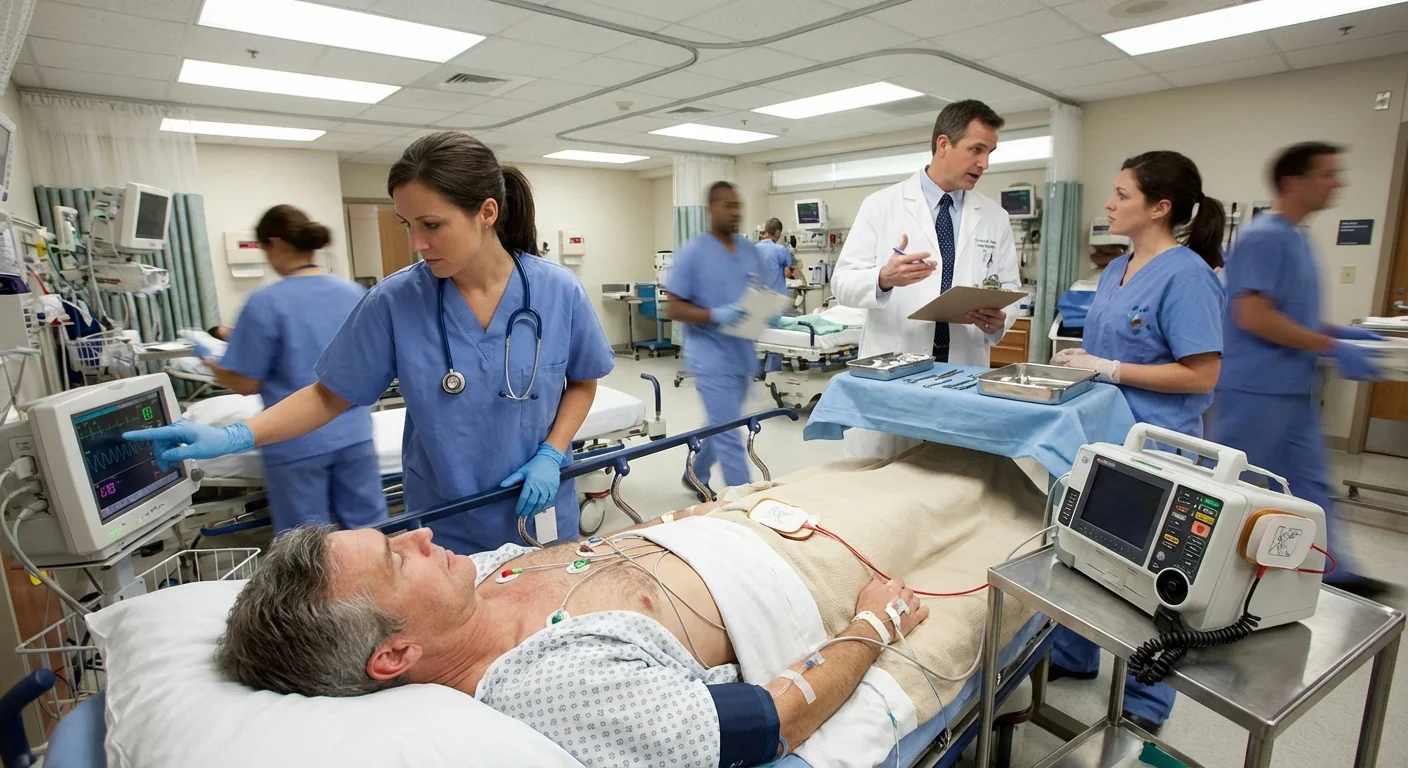
For performers, crews, and fans at large events, tell med staff about a right sided heart upfront. A 10 second heads up can speed the right test and the right care.
Culture, curiosity, and privacy
Pop culture shapes what we think a body should look like. Dextrocardia proves bodies can be different and still be strong. When a star or crew member shares a right sided heart on their terms, it opens doors. It educates. It makes future stories smarter. It also reminds us that health details belong to the person first.
Fans are asking sharp questions today. Does it change workouts? Singing? Stunts? For most, training stays the same. The main shift is behind the scenes. It is checklists. It is labels. It is the quiet craft of people who care about getting it right.
Screenwriters, costume teams, and medical advisors are already on it. Expect sharper lines. Better props. ECG leads on the correct side in a close up. A left sided appendix scar in a biopic. Those are small wins that signal respect.
The bottom line
Dextrocardia is not a punchline. It is a real, rare way a human body can be built. Most people live full lives with it. The key is knowing which kind, and telling the right people when it counts. Entertainment thrives on details. So does good medicine. Today, both meet at the heart, on the right side, exactly where it belongs.