Breaking: The Grateful Dead’s heartbeat is in sharp focus today. Bob Weir’s rhythm, his songs, and the spirit he built with fans are front and center. The story is not just about a band. It is about a living community that moves as one, and it starts in San Francisco.
The Groove Architect
Bob Weir changed how rhythm guitar speaks in a band. He did not sit in the back. He carved space, cut angles, and made the melody breathe. His chords snapped and shimmered. His timing bent, then locked, then took flight. He made rhythm into a lead voice, and that voice became the band’s backbone.
He co-wrote Sugar Magnolia and Playing in the Band, bright songs with wild roots. They sound simple at first. Then the jams open like a door. Weir loved that door. He pushed it wide and kept it moving for decades, always curious, always listening.
Weir’s right hand was a machine of feel, bounce, and precision. That pulse shaped the Grateful Dead’s entire engine.
Songs That Built a Family
The Dead were never only a recording act. They were a road religion, a map of nights, a circle of friends. Weir’s songbook helped write that map. He carried ballads and barn burners, cowboy tales and cosmic turns. He loved American roots, and he loved to twist them into something new.
- Sugar Magnolia, summer joy with a sly grin
- Playing in the Band, a portal to the unknown
- Cassidy, a fast river of words and memory
- Estimated Prophet, a fever dream in seven
These songs invited people in. They also tested the band. Every night was a new shape. Every turn could spark a chase, then a blaze, then a landing that felt earned.
The Road Rules Got Rewritten
The Grateful Dead did something radical. They welcomed tapers. They let fans record shows. That one choice built an archive, and that archive built a culture. People traded tapes like postcards from the same dream. The audience turned into curators, guides, and historians.
Taping-friendly shows made every concert a living document, passed hand to hand, year after year.
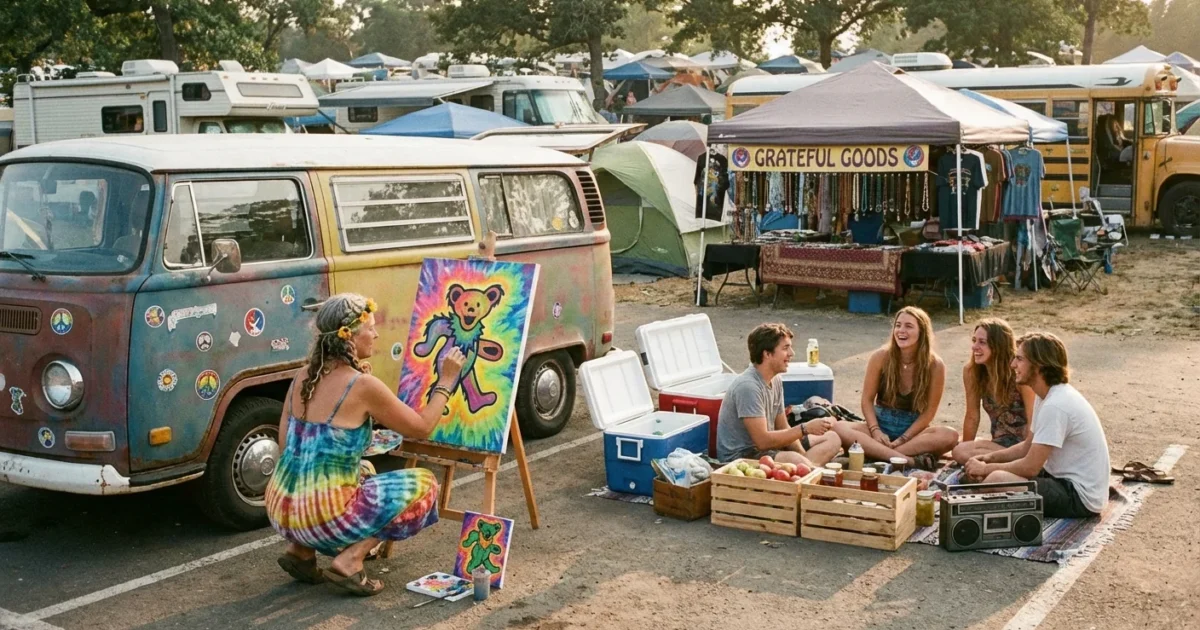
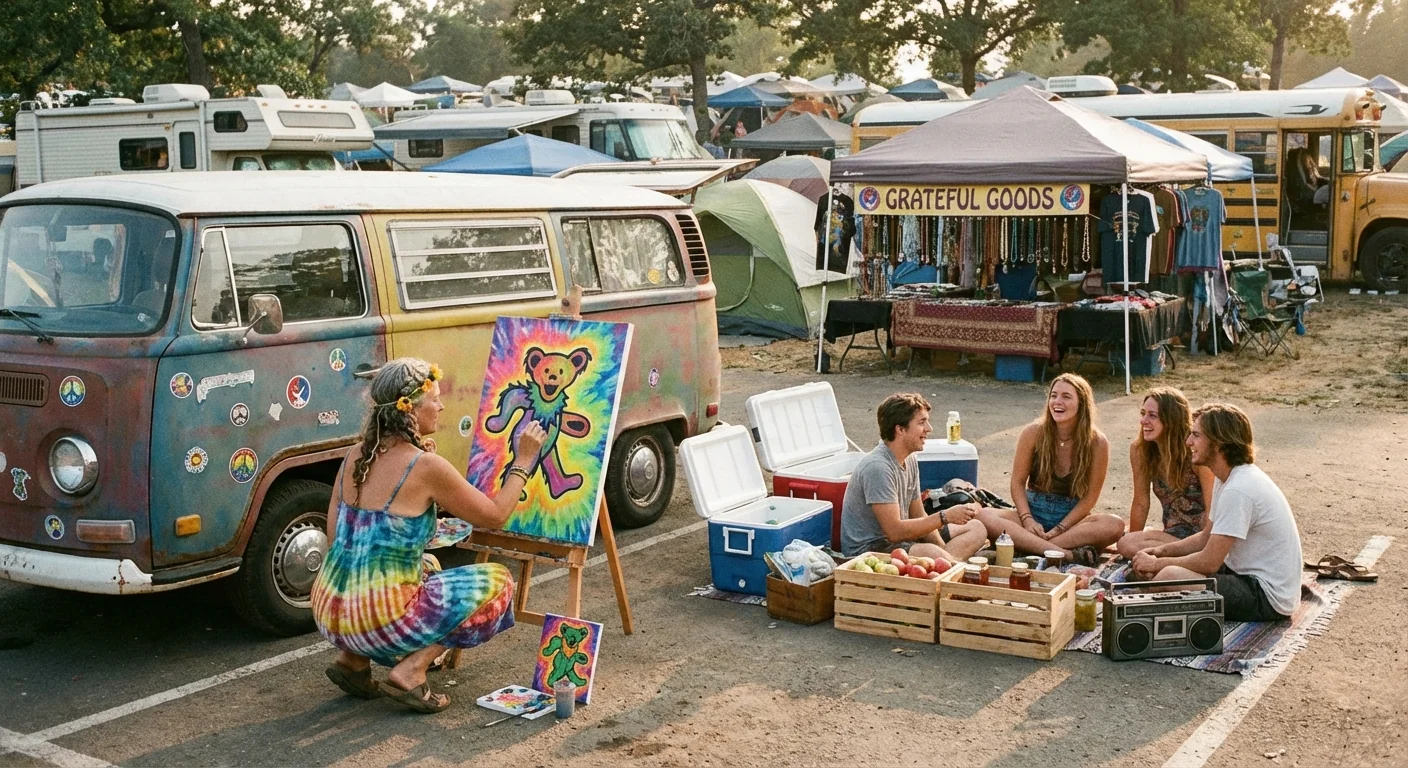
Deadheads did not just follow a band. They built a town that moved. Parking lots became marketplaces. Carpools became families. Set lists became shared puzzles. The band trusted the crowd, and the crowd returned that trust with care, patience, and a long memory.
[IMAGE_2]
San Francisco Roots, Forever
The story begins with the Bay Area. Mid 1960s, a burst of sound and color. Haight-Ashbury was the lab. The Dead mixed blues, folk, country, jazz, and noise. They let it crash together, then they shaped the sparks. Weir stood in that storm and made order, but never too much. He held the line, then he jumped the line, then he found a new line.
That spirit never left the city. It lives in the murals, the venues, the corners where strangers still stop and trade stories. You can feel it in a guitar strum that skips, then smiles. You can feel it in a chorus that lands like home.
After the Dead, The River Kept Flowing
Weir never stopped. RatDog kept the stories alive. Bobby Weir and Wolf Bros found a warm, woody groove, rich with upright bass and swing. Dead and Company brought the catalog to fresh ears, big rooms, and summer nights. New faces arrived. Old heads showed the way. The songs changed again, and they stayed true.
That is the Grateful Dead promise. The music evolves, but the core feeling holds. It is a handshake, a lookout point, a long exhale after a long day. When the band hits that pocket, time stretches. When the last note fades, the walk to the car feels brighter.
The Music Never Stops
The Grateful Dead taught us how to gather. They taught us how to listen. They taught us that a band is only the start. Bob Weir’s rhythm, his writing, and his stubborn curiosity helped make that lesson stick. He chased the edge at volume, then he chased it in quiet rooms. He made risk feel welcoming. He made tradition feel new.
So the energy rises again, as fans put on a record, cue up a show, and trade stories. It is the same call they have answered for years. Meet me where the groove starts. Meet me where the chorus blooms. Meet me where the crowd becomes a choir.
That is the legacy, and it is alive. The songs are still out there, waiting for nightfall, waiting for friends, waiting for the next spark. The wheel keeps turning. The road goes on. And the rhythm, that sly grin in six strings, keeps us moving together. 🎶
New to the ride, start with Europe 72, Cornell 77, and a modern Wolf Bros set to hear the arc.