Home Alone 2 just crashed back into the conversation. Not for paint cans or pigeons, but for the truth that came after. Macaulay Culkin’s holiday classic is sparkling again, and so is the story of why its star walked away at the height of his fame.
The holiday sequel that made a child a global icon
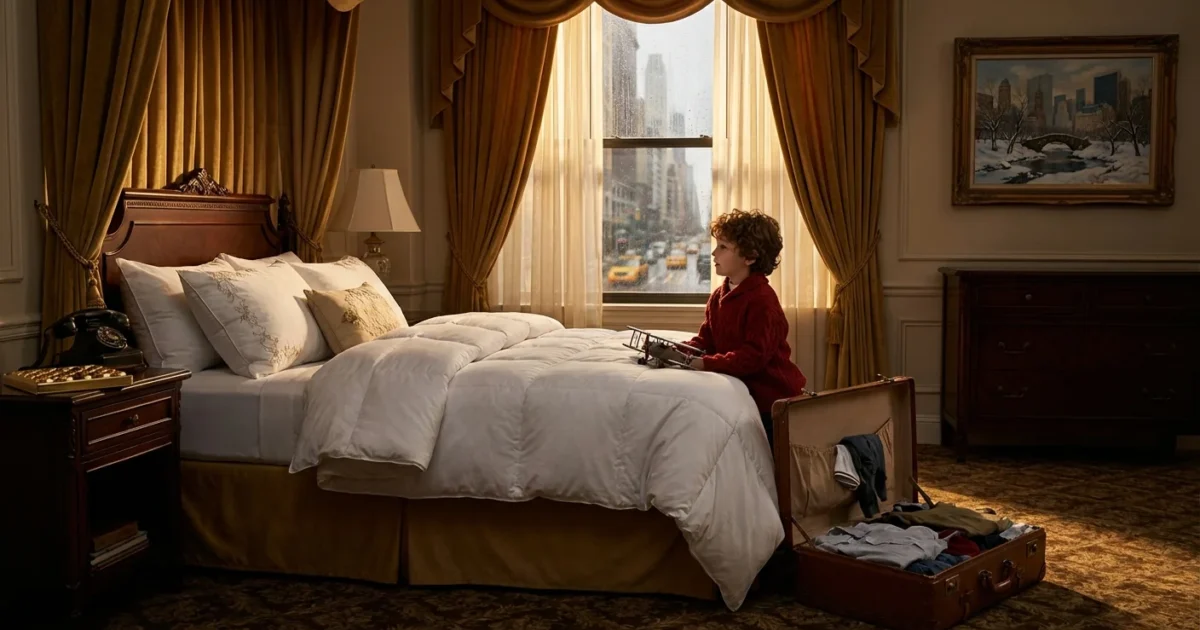
Home Alone 2, released in 1992, turned New York into a playground for Kevin McCallister. The Plaza Hotel. A runaway limousine with a cheese pizza. Booby traps, bigger and louder. The movie locked Culkin into pop culture forever. Kids copied his Talkboy voice recorder. Parents memorized the booby trap choreography. It was mischief with a giant city as the stage.
That spotlight carried a cost. Culkin has been frank in recent comments. Fame was a bell you cannot un-ring. After the first two films, the attention stopped feeling like fun and started to feel like a cage. He hit pause to find a normal life again. That choice reshaped everything that followed.
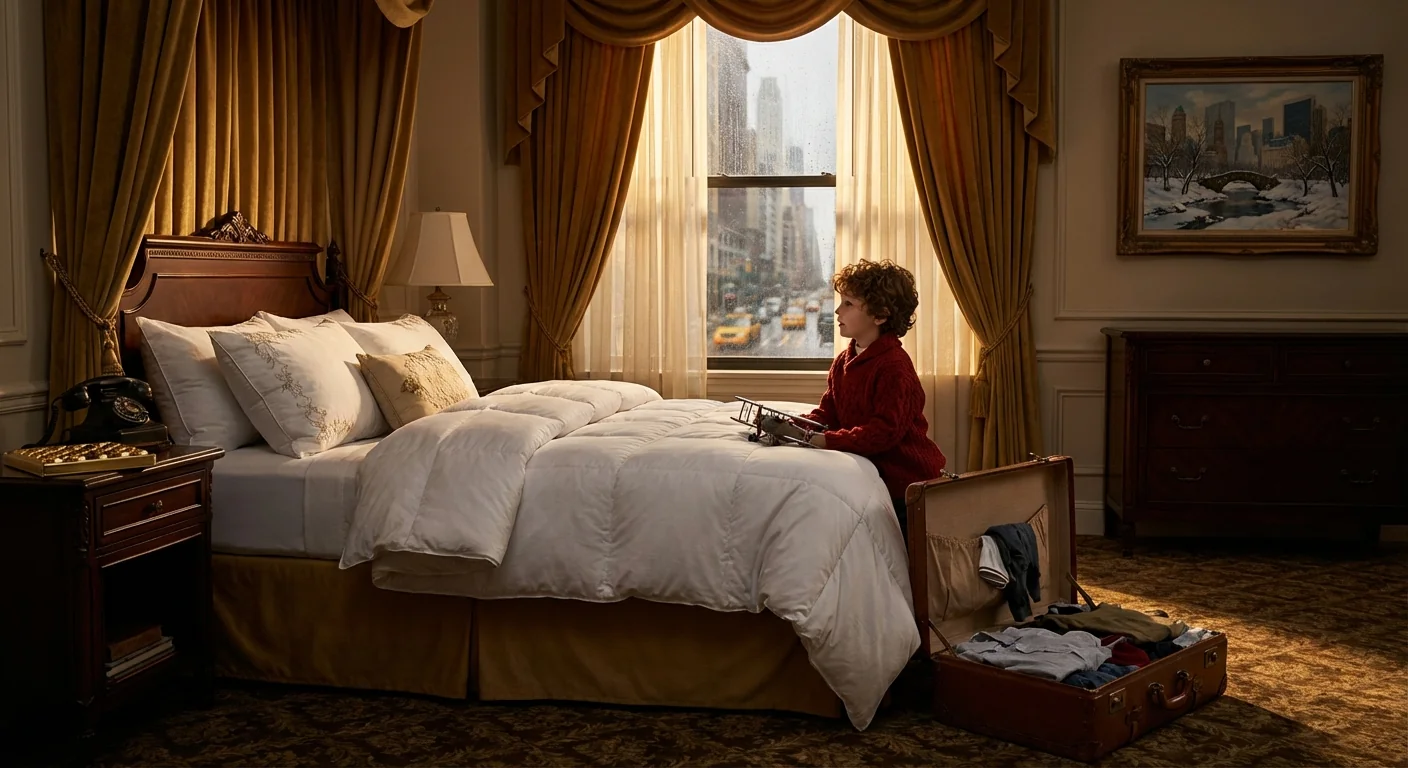
Culkin calls fame a bell you cannot un-ring, and his decision to step back was deliberate.
Behind the glitter, the weight of the moment
The sequel’s triumph was loud. The reality for its young star was quieter and heavier. Culkin was a kid asked to be everywhere at once. Press lines. Set calls. Long days. Then longer expectations. He was the face on lunch boxes and billboards. He was also a teenager trying to grow up.
Culkin has explained that stepping away was not failure. It was survival. He wanted time that belonged to him. He wanted to discover who he was off camera. That honesty has power. It asks a hard question about how Hollywood treats childhood success. It also explains why his later work feels so intentional.
The pullback was about control, privacy, and a healthier pace.
The cultural echo of a New York Christmas caper
Home Alone 2 still hits a nerve every December. The pranks are outrageous. The laughs land. The soundtrack glows. But its staying power comes from heart. Kevin’s good deed for the toy store. His late night talks with the Pigeon Lady. The idea that being brave does not mean being alone.
Key icons from the sequel still pop up in the culture:
- The Talkboy, the Plaza lobby, and Tim Curry’s legendary eyebrow
- The toy store window and that turtle dove ornament
- Joe Pesci and Daniel Stern, the slapstick that launched a thousand memes
- The cameo in the hallway, a blink and you miss it snapshot of 90s New York
Catherine O’Hara’s warm tribute to Culkin at his Hollywood Walk of Fame ceremony underscored the bond this cast built. It also reminded the industry that child stars grow up, and they deserve the room to write their next chapters.
The comeback on his own terms, and the fans who never left
Culkin did not vanish. He reappeared when it felt right. There were daring turns in Party Monster and Saved!. There was stage work, comedy, music, and a sharp sense of humor that never dulled. He took ownership of his image, and he let time do its work. In recent years, he returned to TV with American Horror Story, calm and confident. That screen presence felt different. It felt earned.
Fans have kept the lights on for Home Alone 2. Families pass it down, scene by scene. New Yorkers still point out the Plaza steps with a grin. Kids still press their faces to holiday windows, dreaming of a hotel suite and room service sundaes. The movie became a seasonal ritual. The star became a symbol of setting boundaries and surviving fame with grace.
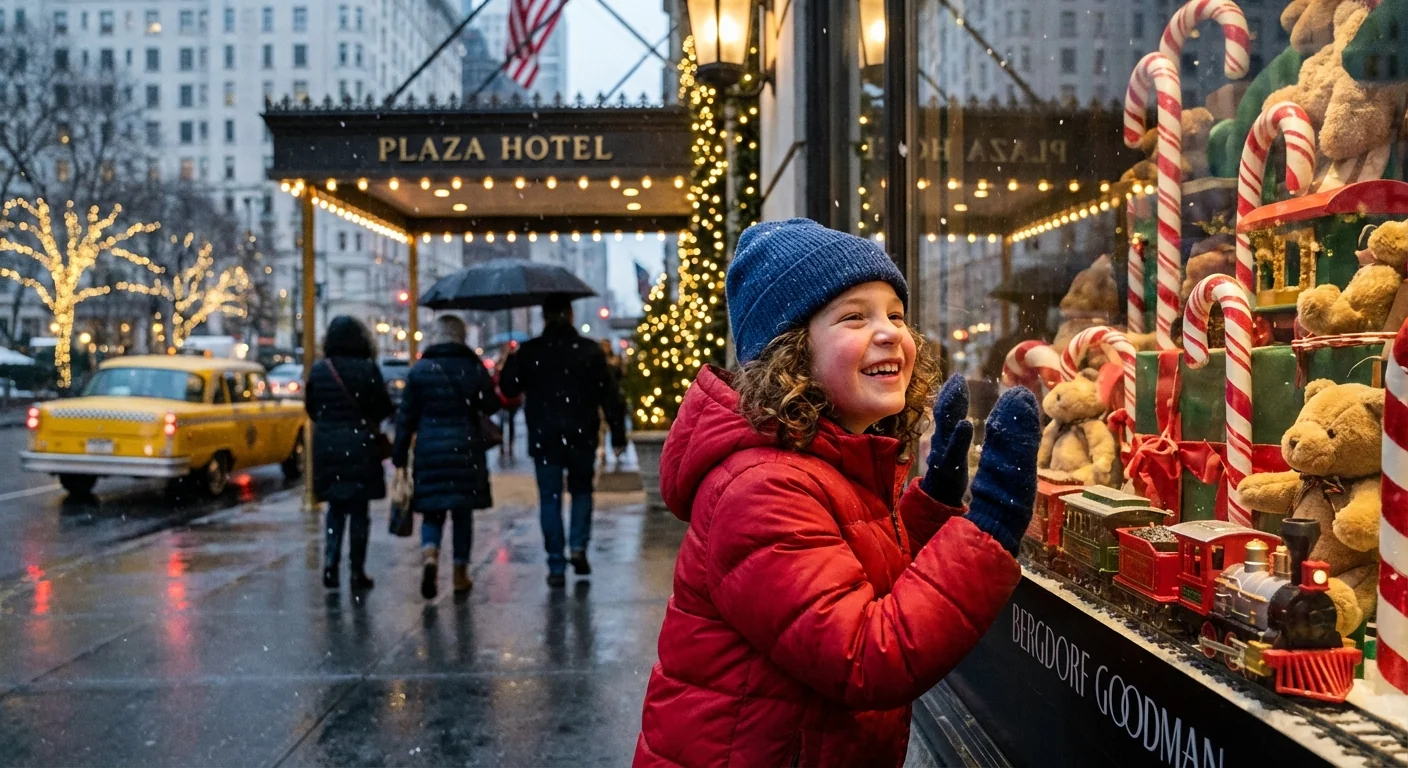
Rewatch alert, look for the toy store scene with the turtle doves. It is the film’s quiet soul.
Why this matters now
This moment is not just nostalgia. It is a reset. Culkin’s clarity reframes a story many thought they knew. The lesson is simple. Success is not only about saying yes. Sometimes the bravest move is to step back and breathe. The kid who took on New York showed us that, on screen and off.
Home Alone 2 remains a candy cane coated time capsule. It also carries a modern message. Protect your peace. Choose your pace. Fame can be loud, but wisdom speaks softly. As the holiday lights flip on across the city, Kevin’s tale feels fresh again. Not just a prank war in a penthouse, but a reminder that the greatest win is knowing when to take your life back.