Kirk Burrowes just threw a live wire into hip hop history. The Bad Boy Entertainment co‑founder has filed a new lawsuit that, if proven, could upend the origin story of one of music’s most powerful empires. I have reviewed the filing and its explosive claims. The details cut to the heart of ownership, power, and who paid the real price for the shine.
What Happened Today
The suit, filed in New York, names Sean Combs and his mother, Janice Combs. Burrowes alleges fraud, coercion, sexual harassment, physical aggression, and blackmail. He says these tactics were used to force him to give up a 25 percent stake in Bad Boy. He also claims he was pushed out and then shut out of the industry he helped shape.
Combs’s legal team rejects the claims. They call the suit meritless and repetitive. They say it rehashes old accusations that never stood up in court.
This is not the first time Burrowes has fought this battle. He sued in 2003, but that case was dismissed for being too late under the law at the time. Now he is using updated legal avenues to bring the story back to court.
How This Rewrites Bad Boy History
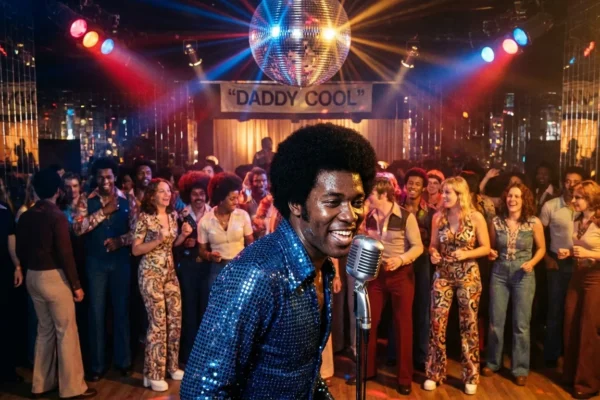
Bad Boy is not just a label. It is a blueprint. From Biggie to Mase, from glossy videos to street anthems, it changed culture and set the pace for a generation. Burrowes was in the room for those early calls. He was a builder, not just a bystander, and he says he owned a real piece of it.
If his claims hold, the core Bad Boy tale shifts. The label’s rise becomes a story not only of hits and hustle, but of alleged pressure, fear, and control. Fans are now replaying those classic moments with new questions. Who benefited. Who was silenced. Who walked away with the checks.
The Legal Strategy That Changes The Game
Here is the legal twist. Burrowes’s earlier case was tossed due to time limits. This new filing leans on newer legal pathways in New York, including gender‑violence protections, that can open a window for older claims tied to violence and harassment. That is how this suit gets a second life.
This tactic matters beyond this one case. It signals a path for other industry players who thought the clock had run out. Labels, management companies, and star brands may face renewed claims that were once time barred. The risk is real, and so is the potential for discovery that could expose private deals and old contracts.
Burrowes says he was forced under duress to sign away a 25 percent stake in Bad Boy, and he wants the court to address it now.
[IMAGE_2]
Watch for motions to dismiss, then discovery. If the case survives, emails, contracts, and testimony could reshape the public record.
Celebrity And Fan Reaction
Inside the industry, the mood is tense. Power players are reading the complaint line by line. Some former insiders are choosing silence. Others are quietly checking their own paperwork.
Fans are torn. Many grew up on Bad Boy and feel loyal to its legacy. Others see this as a necessary reckoning. They want fairness for the people who built the sound of the 90s and early 2000s. The conversation is no longer only about who made the hits. It is also about who owned them, and at what cost.
What It Means For The Industry
This lawsuit is a mirror held up to celebrity business. It asks, who really controls the money and the myth. It also tests how far updated laws can reach into music’s past.
Key stakes to watch:
- Ownership and equity for early builders
- Consent and safe workplaces in entertainment
- The power of NDAs versus the public’s right to know
- How new legal windows revive old claims
- The legacy of iconic labels under fresh scrutiny
If this case moves forward, the fallout could be wide. Deals will change. Vetting will get tougher. And legends may face hard questions that cannot be answered with a hit single.