BREAKING: 21 Savage Flips R. Kelly’s “I Wish,” Reigniting a Culture War in Real Time
R. Kelly’s name is back in the center of the room today. 21 Savage just dropped a track that flips “I Wish,” turning a once-beloved R&B ballad into a raw tribute for fallen rappers. The song is moving. It hits like a note passed between eras, soft and heavy at the same time.
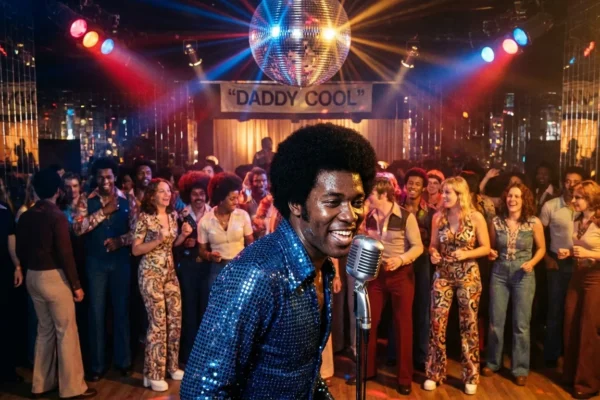
We heard the record, and it is built to pierce. The melody is familiar, the message is fresh. Young Dolph. Takeoff. Names that still quiet a room. The hook pulls memory close, then 21 unloads grief that feels current. It is not nostalgia. It is pain set to a classic shape. [IMAGE_1]
The Music, The Choice, The Shock
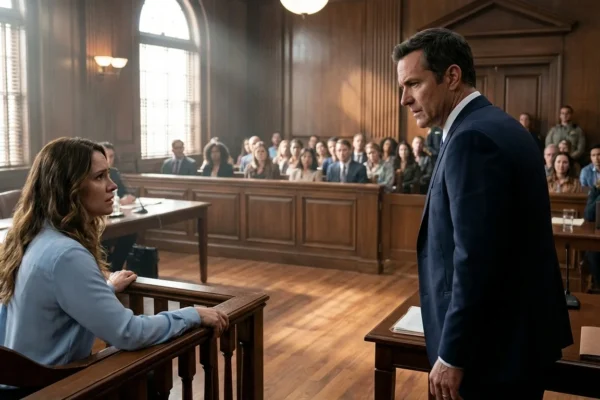
Let’s be clear. R. Kelly’s catalog is influential. But his name now carries years of allegations and multiple criminal convictions tied to sexual abuse. His music lives in clubs, cars, and playlists, yet his reputation lives in a courtroom shadow. That tension never left. Today, it crackles louder.
21 Savage’s choice is bold. It says the song still speaks, even if the singer is condemned. It also asks a hard question. Can hip hop borrow that sound without borrowing that stain. Fans are split. Some hear a respectful memorial. Others hear a door that should stay closed.
Sampling R. Kelly can trigger real financial and moral concerns. Royalties and visibility are not abstract issues. They affect survivors who watch this conversation play out.
Here is what people are weighing right now:
- Is it possible to honor the fallen without lifting up a disgraced artist
- Do the emotions in the record justify the reference point
- Will proceeds reach R. Kelly, and what does that mean
- How should platforms respond when art is both powerful and painful
Why Artists Still Reach Back
Artists chase feeling. A flip like this carries instant history. “I Wish” has a built-in ache, a quiet prayer for people we miss. That emotional core still works. 21 aimed that energy at a new wall of loss. The result sounds like a vigil, not a victory lap.
There is also the truth about memory. For years, R. Kelly’s music was woven into everyday life. Parties. Radio commutes. Locker rooms. Even a recent story from NBA vet Quentin Richardson, who recalled a day when Michael Jordan and R. Kelly pulled up on his block, shows how wide that reach was. That is the cultural luggage inside this sample, every time it plays. [IMAGE_2]
Music history is messy. Sampling does not erase harm. It can force us to look at it.
The Cultural Line, Redrawn Again
We are watching two truths collide. A great melody can heal. A great harm can haunt. Both can be real at once. The community is not done arguing about it, and maybe it never will be.
Some fans choose a full boycott. Others separate the art from the artist. Labels and platforms walk a thin line. Curators make case-by-case calls. The result is a moving target. Today’s flip will test that balance. It will also test how much grace listeners have for artists who drag complicated history into the booth.
What This Means For R. Kelly’s Legacy
Kelly’s legacy sits on a fault line. His songs shaped R&B and hip hop for decades. His crimes changed how many people hear those songs. A high-profile flip reignites that clash. It puts his work in front of new ears, then asks those ears to decide how to feel. The answer will not be the same in every home or every city.
The bigger story is the future. Young stars will keep building with old sounds. They always have. The question is how they do it, and who they uplift in the process. That is the work now, for artists, listeners, and gatekeepers.
The Bottom Line
This moment is more than a sample. It is a stress test for culture. 21 Savage used a familiar ache to honor real loss, and it landed in the center of a long, hard debate. The song is strong. The questions are stronger. What we choose to play next, and why, will say a lot about who we are right now. 🎧⚖️