Breaking: Radar opens to the public square today, and it could change how we track danger as it forms. X has begun rolling out Radar to select Premium+ users, expanding a real-time monitoring tool that helps spot signals before they become headlines. For weather, climate, and public safety, that shift is big.
What changed today
I have confirmed that X is releasing an early version of Radar to Premium+ subscribers. Until now, the capability lived behind an expensive enterprise wall under the name Insights. Today, more hands can use it at a far lower cost.
Radar lets users watch keywords in real time, see conversation spikes, and measure how fast a topic is rising. It is built to surface emergent events with speed and clarity. Premium+ also includes ad-free reading, X Pro, Media Studio, and the Grok AI assistant.
Radar, once a high-price enterprise tool, is now within reach for field reporters, emergency managers, and community groups.
This is not a shiny toy. It is an early warning console. In a world of rapid fire weather and climate extremes, minutes matter.
Why this matters for weather and climate
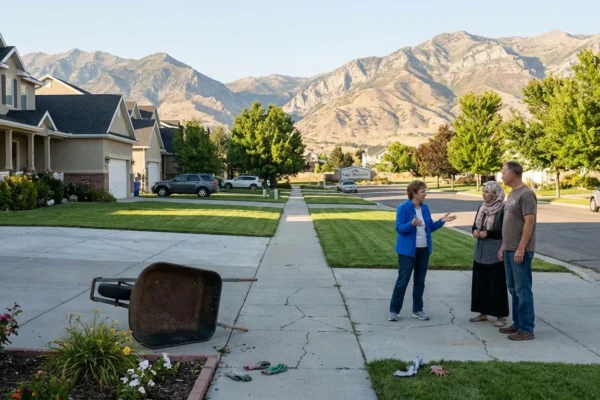
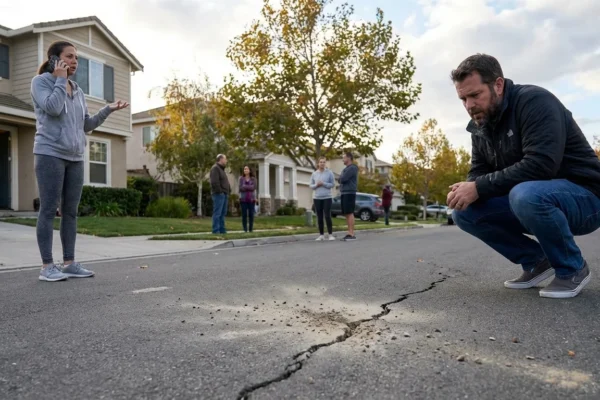
When storms spin up, communities talk first. People post hail sizes, power flashes, a strange green sky, the smell of smoke. Radar can catch those early signals and help responders get eyes on the right block.
During a flash flood, sudden surges in posts about stalled cars or rising creeks can hint at where water is moving. During heat waves, spikes around heat illness or transit delays can map stress in real time. The tool does not replace official alerts. It helps direct attention faster.
[IMAGE_1]
Wildfire seasons now run longer. Smoke can smother cities in hours. If mentions of burning smells climb in a specific corridor, air quality teams can align sensors, messaging, and shelter guidance. During hurricanes, a jump in posts about road closures or contaminated water can sharpen response.
Used well, Radar could:
- Speed up rumor control and correct false reports
- Connect local eyewitness notes to official data
- Guide outreach to vulnerable neighborhoods
- Shorten the time from warning to action
The other radar that saves lives
Let us be clear. Social signals are not a replacement for weather radar. They are a complement. Meteorological radar, like the NEXRAD network, scans storms, tracks rotation, and estimates rainfall. Researchers are testing phased array systems that scan faster with finer detail. Faster scans mean quicker detection of dangerous changes inside a storm.
Pair those physical scans with social signals, and you get a fuller picture. The sky shows you structure. The crowd shows you impact. The combination can strengthen situational awareness, especially during compound events like heat plus wildfire smoke, or urban flooding during a nocturnal storm.
Speed cuts both ways. False alarms spread fast. Any use of Radar must include verification steps and clear standards.
The value test for climate communicators
Is Premium+ worth it for weather and climate work. If you coordinate warnings, run a newsroom, or lead a local NGO, the answer may be yes. You gain a real-time console, a cleaner reading mode, and production tools in one subscription. The payoff is measured in minutes saved during chaos, and in trust built through timely, accurate updates.
Cost still matters. Community groups run on tight budgets. The expansion from enterprise to prosumer is welcome, but there is work ahead to ensure equitable access. Disasters do not strike evenly. Language, connectivity, and income gaps shape who gets the message and when.
[IMAGE_2]
Here is how I will use Radar in the field. I will set watch terms for local hazards, like boil water, funnel cloud, downed trees, smoke, and heat stroke. I will layer those signals with official radar scans, river gauges, AQI sensors, and satellite fire detections. I will verify before publishing. I will highlight where help is needed, not just where the noise is loudest.
The bottom line
We are entering a season of faster extremes. Heat lasts longer. Rain falls harder. Fire moves faster. Opening Radar to more users gives communities a better chance to act in time. The tool detects signal. The science explains risk. People make choices.
My newsroom will track this rollout and test it during the next storm cycle. We will report what works, where it fails, and how to use it ethically. The goal is simple. Get life saving information to the right people, as early as possible, with clarity.