BREAKING: WTHR expands live local news to 4 p.m. as ownership shift looms, reshaping how Indianapolis gets vital weather and climate coverage. This is a turning point for the city’s afternoon news, and for the way life-saving alerts reach homes, schools, and commuters.
A bigger live-news block, timed to the storms that hit hardest
Starting now, WTHR adds a 4 p.m. live newscast on weekdays, with Felicia Lawrence and Dustin Grove anchoring. It folds into a continuous live block through the early evening, from 3 p.m. to 7 p.m. The show features consumer watchdog work, including What’s the Deal with Allison Gormly, with an eye on energy bills, home weatherization, and resilience.
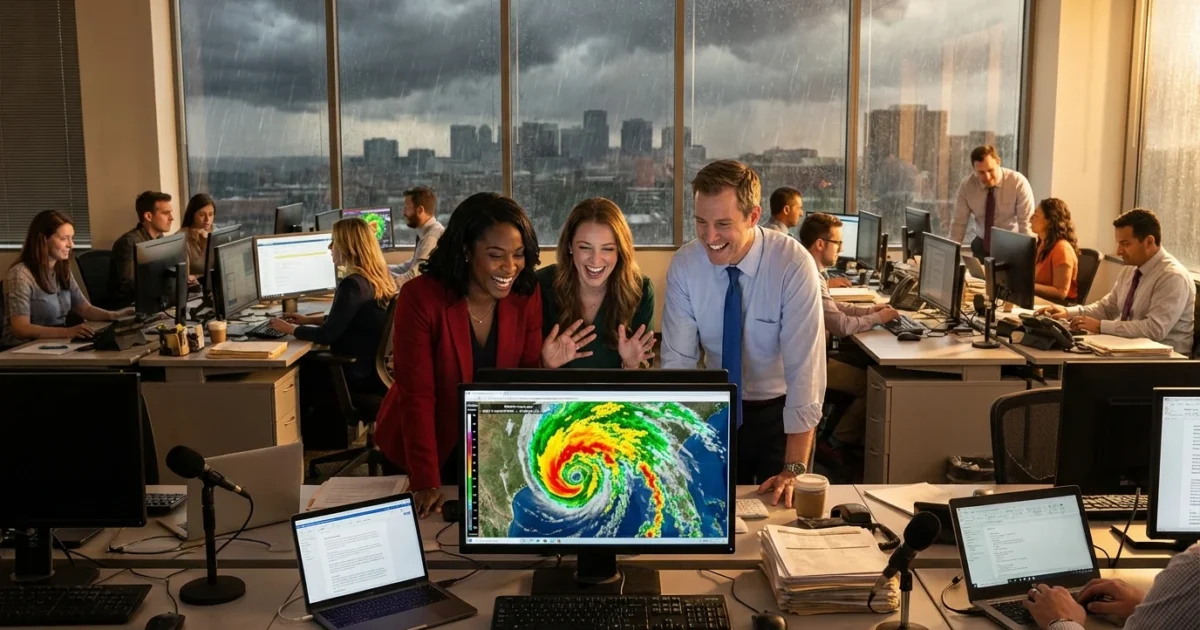
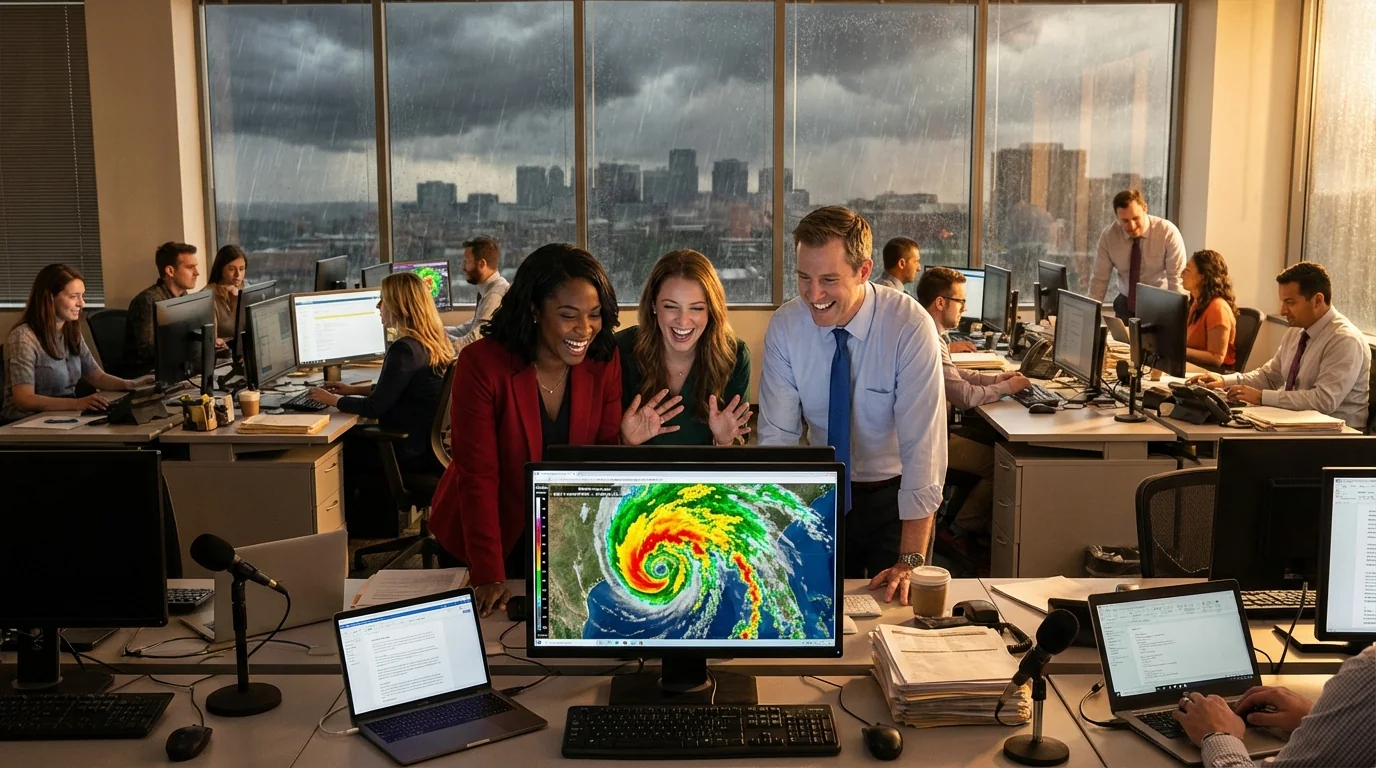
This timing matters. Central Indiana’s most volatile weather often peaks between late afternoon and early evening. That includes severe thunderstorms, fast-forming supercells, and dangerous heat index spikes. A live hour at 4 p.m. gives producers room to break in fast, shift to radar, and push alert timing before the school pickup rush and the evening commute.
WTHR is adding newsroom staff to support the expansion. That should mean more eyes on radar, more field crews for flooding and damage, and stronger continuity across the 5 p.m. and 6 p.m. hours.
Why this matters for climate and weather, right now
Indiana is warming. Summers are longer and hotter. Heavy downpours are more frequent, with higher rainfall rates that overwhelm storm drains. Winters are getting milder on average, with more freeze and thaw swings that glaze roads in a single hour. Smoke days from distant wildfires now intrude on air quality. Tornado season is not just a spring story anymore, as fall has become more active.
A live 4 p.m. newscast lands inside that risk window. It can boost lead time for hail and wind. It can move people off flooded underpasses before water rises. It can shift outdoor workers and sports practices when the index spikes. It also opens space for climate context, like why storms are rain heavier now, and which neighborhoods face the worst heat stress.
Set your phone for Wireless Emergency Alerts, keep a battery radio, and know a safe room at home and work.
The ownership quake that could reshape local weather coverage
Nexstar has announced a 6.2 billion dollar acquisition of Tegna. If regulators approve it, WTHR would sit under the same owner as WXIN and WTTV, two other major Indianapolis stations. That is a big consolidation for one city.
The weather stakes are high. A combined shop could share radar gear, models, and crews, which might improve severe weather coverage in the short term. But it could also shrink editorial competition. Fewer independent newsrooms can mean fewer investigative fights over flood control, heat plans, and air quality enforcement. Consolidation often brings cost cuts. That can erode depth right when extreme weather is on the rise.
Expect close review by the FCC and the Department of Justice. The overlap in one market, and the public safety role of broadcast alerts, will draw serious questions. Local jobs, newsroom size, and the capacity to keep multiple teams on the air during a tornado emergency will be at the center of that review.
When one owner controls multiple newsrooms, redundancy can fade. Redundancy saves lives during long tornado outbreaks and flash flood nights.
What to watch for in the coming weeks
- More live weather hits at 4 p.m., focused on storm timing and heat risk
- Consumer watchdog reports on power bills, roof scams, and insurance after hail or wind
- Data-driven maps on heat islands, flood zones, and air quality alerts
- Clear commitments to keep separate teams on big weather days