BREAKING: WSYR reshapes its evening desk as Central New York faces a more volatile season. The timing is no accident. The station’s lineup change lands just as lake effect bands sharpen, rain-on-snow floods rise, and wind events grow more frequent. This is where trusted local TV can save minutes, and minutes can save lives.
What Changed, and Why It Matters Now
I can confirm that Carrie Lazarus is stepping away from her weekday evening co-anchor duties after more than three decades. She will focus on special events and community storytelling. Christie Casciano is expanding into the 4 p.m. and 5 p.m. newscasts. The move was announced recently, and it affects viewers who rely on those early evening hours for forecast timing and safety updates.
This is not just about a chair at a desk. Central New York is entering the teeth of winter. Lake Ontario is staying warmer later into the season. That can feed intense, narrow snow bands. Then a thaw can follow with rain. Flood risk rises. Road salt washes into streams. Commutes turn dangerous, fast. Early evening news is often the first and clearest touchpoint for families and schools. With this shift, WSYR’s 4 p.m. and 5 p.m. blocks become even more vital.

Weather, Climate, and Your Evening Routine
Our weather is changing. The pattern is more whiplash than steady. You can see it in freeze-thaw cycles, ice storms instead of all snow, and sudden lake effect bursts. On the warm side, heavier downpours in spring and fall lead to flash floods. On the cold side, wet snow loads bring more power outages. These are climate fingerprints in our daily lives.
The 4 p.m. hour is the planning hour. It sets the tone for the school pickup, the drive home, and the overnight prep. The 5 p.m. hour is the action hour. That is when warnings may be issued, and when routes and choices shift. The anchor at that desk is not filler. They are your guide through risk, language, and context. Clarity saves confusion. Calm saves panic.
Warmer Great Lakes can intensify lake effect snowfall, then quick thaws can trigger ice jams and localized flooding. Plan for both.
Carrie Lazarus, A Legacy of Local Climate Stories
Carrie Lazarus has told Central New York’s story for more than 30 years. That includes our environment. She has shown the slow work of cleaning a lake, the hard lessons of a flood, and the pride of a school cut from its energy bills. Moving into specials and community features can deepen that work. It frees time to follow one story from the creek bank to the city budget. It invites the voices of farmers, snowplow crews, line workers, students, and neighbors.
This change opens space for a series like Winter on the Edge, or a close look at stormwater and streets. It can connect weather to housing, health, and jobs. Big systems feel real when a trusted local voice translates them into daily choices. That is why this shift matters.
What Viewers Should Watch For
Christie Casciano stepping into the 4 p.m. and 5 p.m. hours sets a steadier bridge between meteorology and public safety. Expect tighter handoffs with the weather team, more explainers on alerts, and clearer maps for school and commuter corridors. Families need timing. Businesses need thresholds. Seniors need outage plans.
- Top hazards this season to track in the 4 and 5 p.m. hours:
- Narrow lake effect bands with rapid whiteouts
- Rain on existing snowpack with ice jam risk
- Heavy, wet snow that brings tree and line damage
- Flash freeze conditions after a thaw
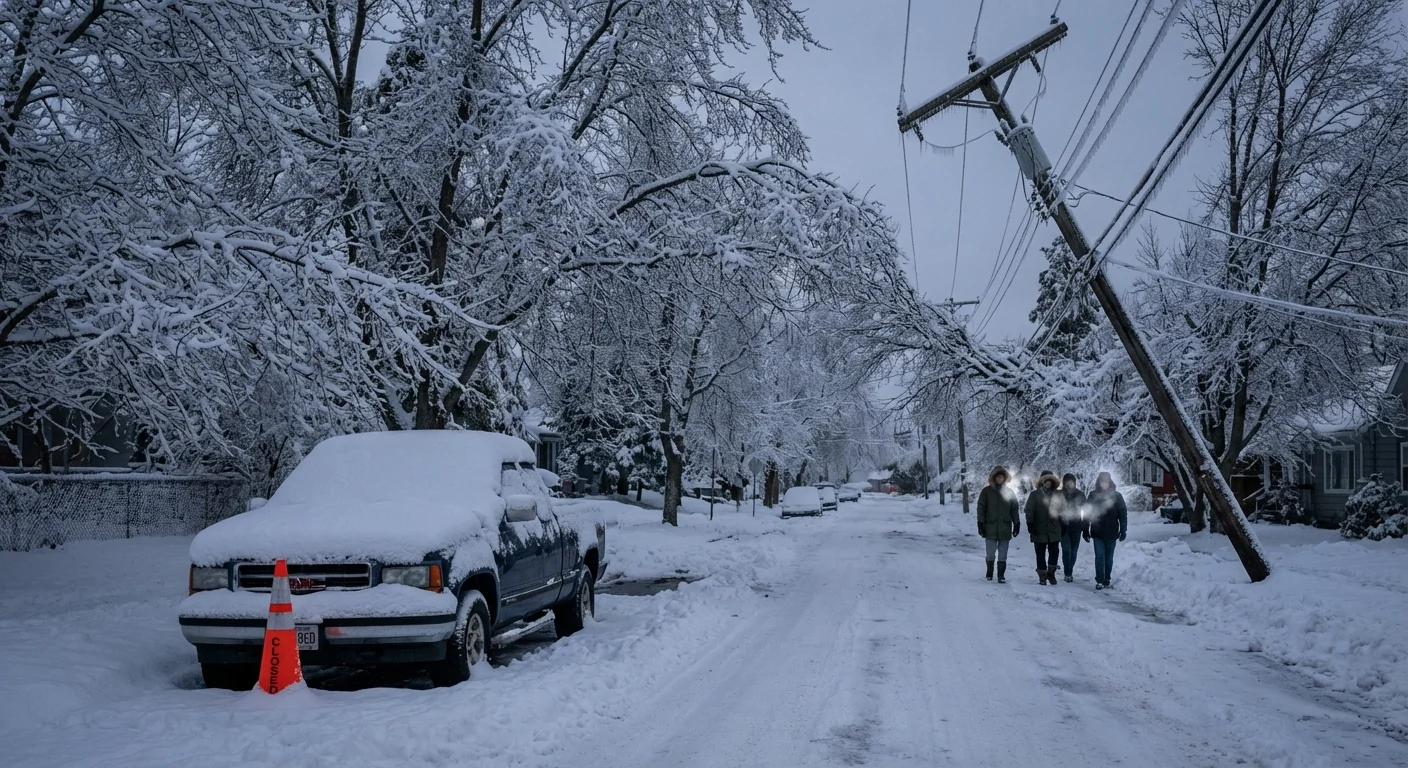
Make a simple two-bag kit. One in your car, one at home. Include a flashlight, phone charger, warm layers, and needed meds.
Sustainability in the Spotlight
Early evening news can also drive smart choices. Think heat pump rebates and weatherization deadlines. Think salt-smart plowing that protects streams. Think stormwater fixes that reduce basement backups. Look for short, useful segments that connect rebates, safety, and savings. When local TV does this well, emissions drop and resilience rises.
What This Signals About Local News Priorities
This is succession planning that centers service. The station is placing a veteran anchor at the day’s most practical hours. It is also freeing a legacy journalist to elevate deeper community reporting. That is a double focus on impact. In a season of high weather risk, that choice reads as a commitment to readiness, science, and local life.
Clear anchors. Strong meteorology. More context. That is how you beat confusion and rumor during fast-changing storms. That is how a newsroom earns trust, night after night.