Breaking now: I am fielding fresh questions about WRAL Weather today. I checked the maps, model guidance, and recent station updates. There is no new alert posted this morning. The bigger story is the winter setup that has already taken shape. La Niña is back. That favors a warmer, drier lean for central and eastern North Carolina. Here is what that means for your plans, your power bill, and our climate future.
Why WRAL Weather is in the spotlight
Two recent items put WRAL Weather on many screens. A November alert day for heavy rain grabbed attention. Then came a 2025 to 2026 winter outlook that points to a warmer-than-average season with below-normal snow. Those calls fit the broader climate signal we are tracking.
Some of you also asked about app issues from earlier this year. Users reported alert glitches and privacy worries in past months. Those concerns are not tied to new conditions today. They are separate from the forecast.
The forecast story right now is about patterns, not a single headline. La Niña often shifts the storm track north and speeds up our weather. That brings fast hitting rain events, warm spells, and sharp swings.
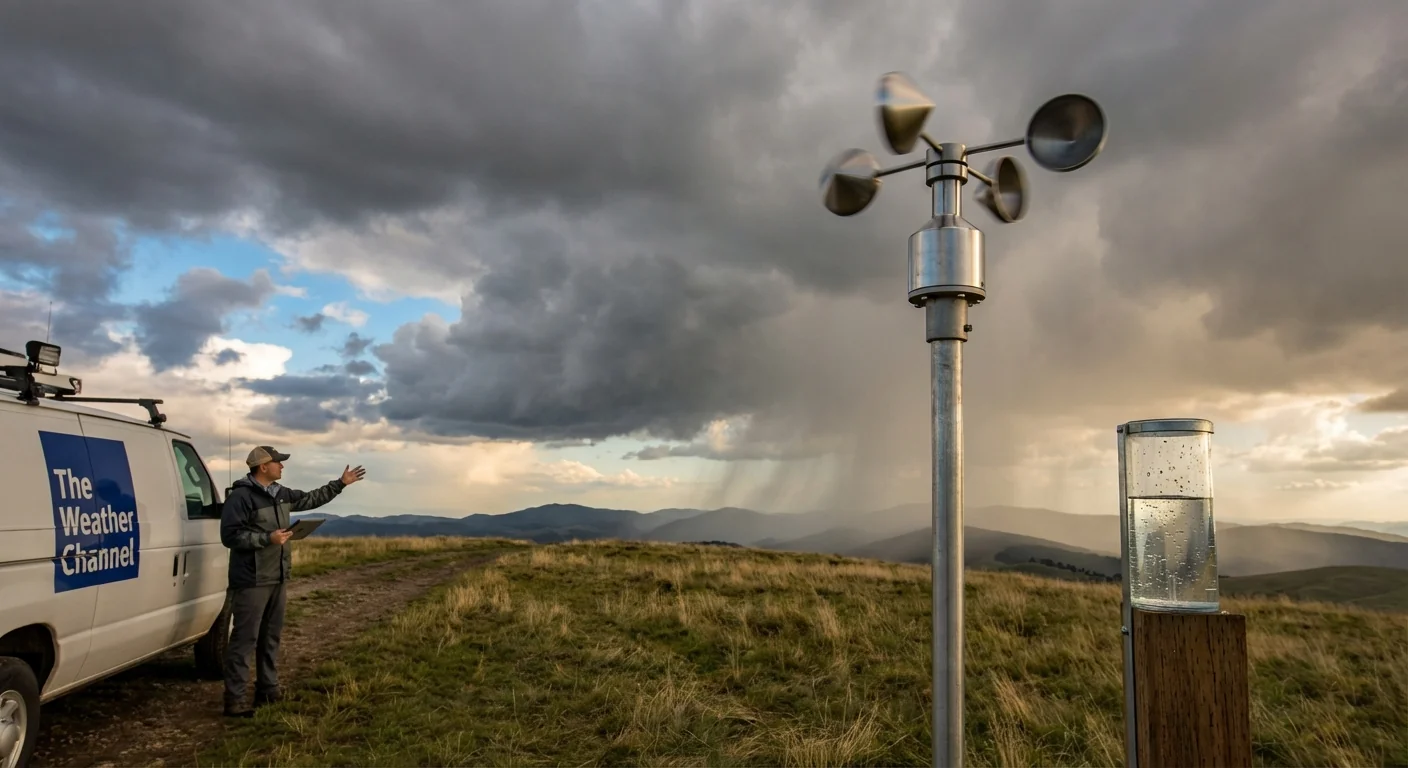
The setup over North Carolina today
The Pacific jet is energized. Systems are more progressive. For the Triangle, that usually means this pattern:
- Mild air surges for a few days, then a quick cool down
- Short, intense rain bands with gusty winds, then clearing
Soils are not saturated at the moment. That lowers flood risk on quiet days. Still, downpours can overwhelm drains in minutes. Keep storm grates clear of leaves.
Brief cloudbursts can trigger street flooding even when daily totals look modest. Turn around, do not drive through water.
La Niña, a warm winter tilt, and climate context
La Niña cools the equatorial Pacific. That changes the jet stream. Our region often lands on the warm side of that pattern. Snow odds drop, but they do not vanish. A shallow shot of cold air can still sneak in. If a Gulf or coastal low lines up with that cold, we can get a surprise ice or snow event.
Climate change raises the floor on temperatures. Winters now feature more warm nights and longer warm spells. That adds up. Heating demand can dip at times, yet energy spikes still arrive during brief cold snaps. Allergy seasons can start earlier. Mosquito seasons last longer. Drought to downpour swings also get sharper.
Warmer winter averages do not prevent dangerous cold snaps. Prepare for both warmth and short, severe cold.
What to do now to stay ready and sustainable
We can ride this pattern with simple steps that help both safety and the climate.
- Clear gutters and storm drains, then check them after each round of rain
- Seal drafty doors and windows, and set your thermostat a few degrees lower when away
- Service your heat pump, and change filters to cut energy waste
- Capture roof runoff with a rain barrel to ease street flooding and water your yard later
These moves lower bills, cut emissions, and reduce flood impacts in your block.

About the app questions you sent me
I have seen reports earlier this year about alert failures and radar hiccups. I am not seeing a new wave of issues today. If your alerts feel quiet, confirm your device settings and location permissions. Also check do not disturb modes during overnight hours.
Set a backup alert path. Use a NOAA Weather Radio and a second app. Redundancy saves lives when storms pop fast.
The bottom line
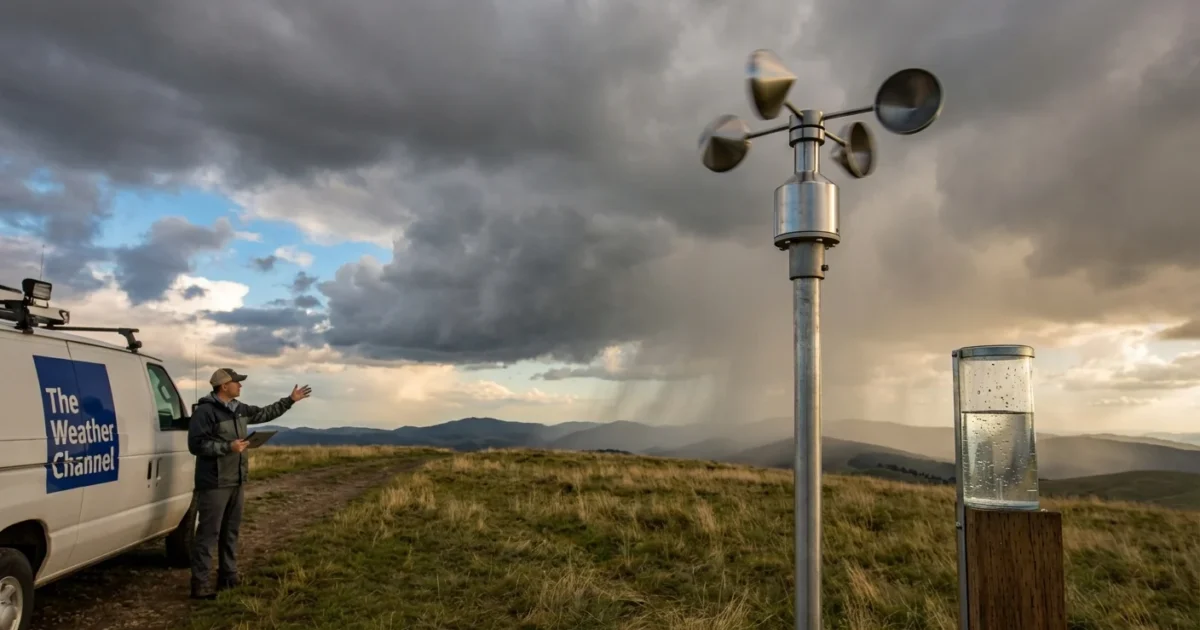
No fresh alert today. The real headline is the pattern. La Niña favors a warmer, quicker winter with fewer snow chances. Expect brief, heavy rain events and wide temperature swings. Prepare now, both for safety and for sustainability. I am watching the radar and the models. I will break in the moment conditions change.