BREAKING: WKYT’s burst of public safety reporting is reshaping Kentucky’s climate conversation. The CBS and CW station in Lexington just put a spotlight on how weather, roads, and behavior are intersecting in a changing climate. A 20 year low in traffic deaths is real progress, and it is arriving as storms get wetter, nights get foggier, and freeze thaw cycles get sharper across the Commonwealth. The lesson is simple. Prepared communities can bend risk downward, even as climate stress rises.
What’s new, and why it matters
I can confirm WKYT’s latest slate leads with a major safety milestone, Kentucky traffic deaths have fallen to the lowest level in more than two decades. That number is not only a law enforcement story. It is a weather story. Fewer fatal crashes often track with better forecasts, smarter road treatment, and drivers who slow down when rain hits or when black ice forms.
Their coverage also puts human stakes front and center, courtroom outcomes, a grieving family still seeking closure, and a deadly crash that led to an 11 year sentence. These stories are about justice, but they also echo a pattern I see across the region. Extreme rain and quick cold snaps are testing our roads and our resolve. When people respect the forecast and the pavement, more of us make it home.
A safer year on the roads can coexist with higher climate risk. The signal is resilience works, not that the danger is gone.
The weather setup in Central Kentucky
Early winter in the Bluegrass often brings quick hitting fronts, chilly mornings, and a tug of war between cold air and Gulf moisture. That mix fuels dense fog before sunrise, slick bridges after dark, and bursts of heavy rain that pond on low spots. Storms can be brief, yet intense. The atmosphere holds more moisture as it warms, which loads the dice for heavier downpours when storms do form. That is why good drainage, clear culverts, and ready salt supplies matter more each year.
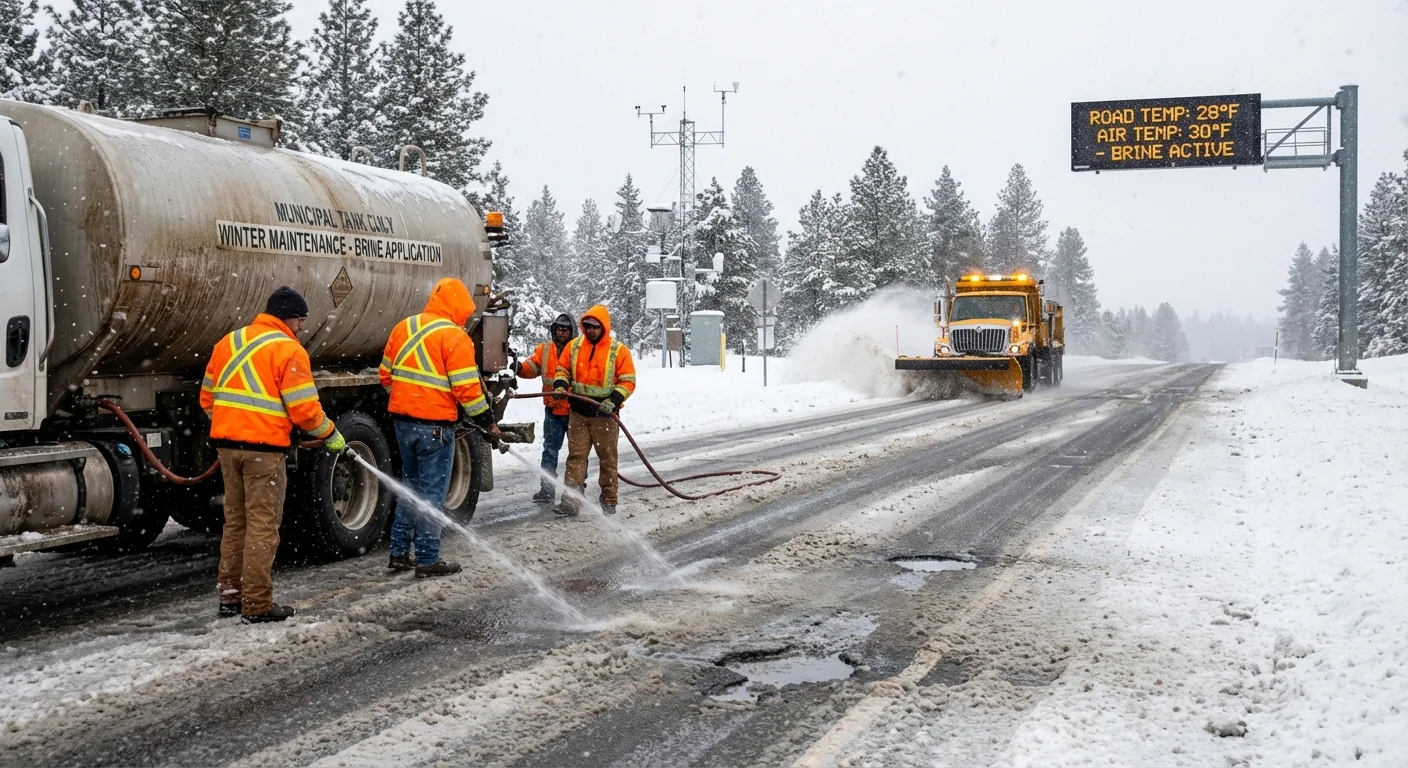
Freeze thaw cycles also chew up pavement. Potholes open, tires blow, and lanes buckle. Road crews have improved brine timing and pretreatment in recent years, which helps keep traction when temperatures dive late. Forecast accuracy has improved too, hour by hour radar and road temperature sensors are changing how drivers and plow teams respond.
Safety, justice, and sustainability are linked
When WKYT elevates a sentencing after a deadly crash, it does more than close a legal loop. It underscores the cost of speed in rain, of distraction in fog, and of impaired driving when visibility is low. This is climate era safety. The weather is not what it used to be, and our habits have to keep up.
The station’s beat spans sports, community health, and wildlife issues. That broad trust pays off when alerts hit. More people listen when a flood watch pops up, or when a hard freeze threatens pipes and barns. Sustainable choices follow from that attention, slower trips during heavy rain, winter tires on rural routes, smarter lighting to cut glare, and home efficiency that keeps vulnerable residents safe during cold snaps.
Turn around, do not drive through water. Six inches of moving water can knock you off your feet. Twelve inches can move a small car.
What to do as the season turns
Weather can flip fast this month. You can lower risk in a few simple ways.
- Check wipers, tire tread, and brake lights before storms.
- Leave extra time when fog or rain is in the forecast.
- Slow 10 miles per hour below the limit on wet roads.
- Watch bridge decks, they freeze first and thaw last.
These steps save lives, and they scale. When thousands of drivers choose caution, the entire network runs safer. That is how a 20 year low happens during a decade of rougher weather.
Conclusion
WKYT just put a clear mirror in front of Central Kentucky. Safer roads are possible, even as storms grow sharper. That is the climate story worth breaking today, resilience is working where people trust the forecast, fix the basics, and drive like the weather matters.