Breaking: Sleet is falling across parts of the region tonight, and the sound on your windows is your cue. This is not snow. It is not rain. It is a sharp, icy mix that can flip road conditions in minutes. Here is what sleet is, why it forms, and what it means for safety and climate.
What Is Sleet, Right Now
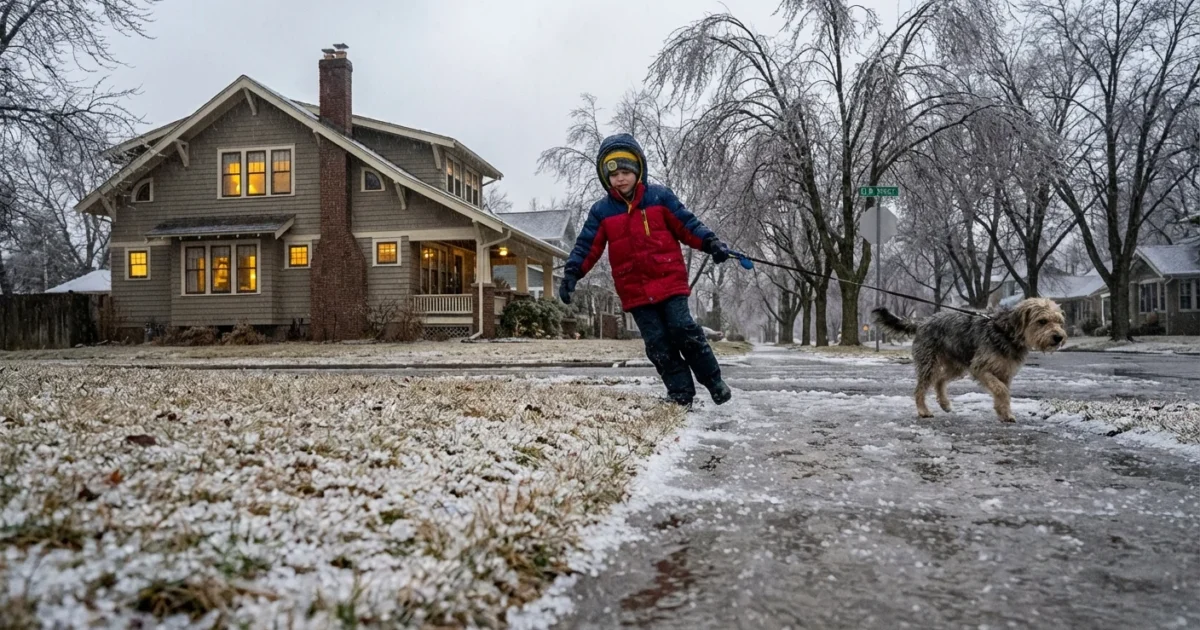
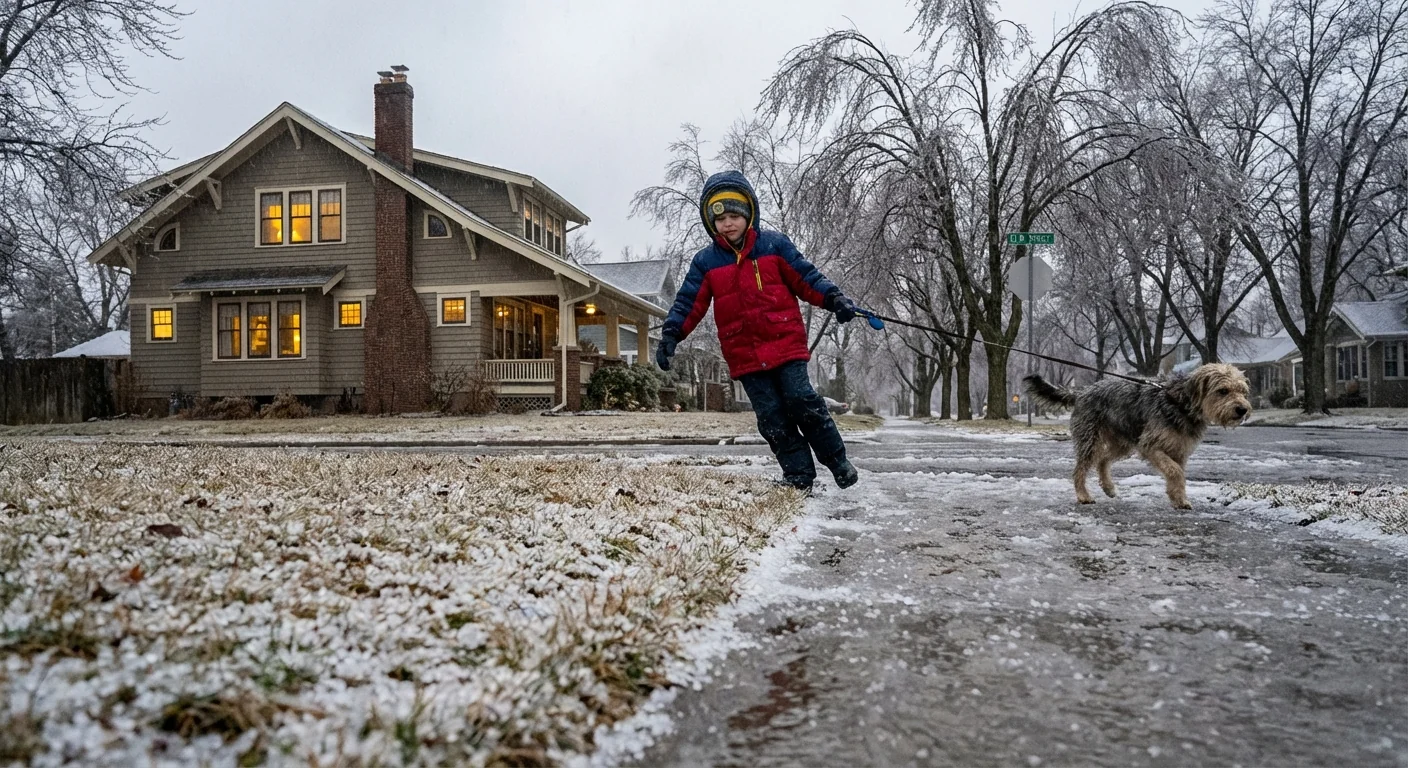
In United States weather language, sleet means ice pellets. These are small, hard balls of ice that bounce when they hit the ground. They often look clear or translucent. They sting on your face in the wind. They build a crunchy crust on sidewalks.
In many Commonwealth countries, sleet means something different. There, sleet is rain mixed with snow. That is a slushy mix, not hard pellets. This difference is important. It changes how we prepare and how we warn.
Sleet in the United States means ice pellets. In much of the Commonwealth, sleet means rain and snow mixed.
How Sleet Forms
Sleet tells a vertical story. The ground may be near freezing. High above, a shallow warm layer, often a few thousand feet up, melts falling snow. That meltwater then drops back into colder air near the surface, which refreezes the drops into pellets before they land.
Here is the simple sequence when sleet occurs:
- Snow forms in cold air high in the cloud.
- Snow falls into a warm layer and melts into raindrops.
- Drops fall back into subfreezing air and refreeze into ice pellets.
- Pellets hit the ground and usually bounce, not splat.
That warm layer aloft often rides along a storm front. A small shift in that layer, even a few degrees Celsius, flips the outcome. A touch warmer and you get freezing rain. A touch colder and you get snow. The line between these is narrow, and that is why sleet bands can be thin and fast moving.
Sleet vs Freezing Rain vs Snow
Sleet is already frozen when it reaches you. It bounces on pavement and rattles on roofs. It reduces traction, but it usually does not glaze power lines.
Freezing rain falls as liquid, then freezes on contact. That coats trees, wires, and roads with a smooth, heavy ice layer. It can snap branches and bring down lines. Snow is snow, a solid crystal from cloud to ground, which compacts but does not glaze. Knowing the difference helps you judge the risk on the road and at home.
Black ice can hide under a thin layer of sleet. Do not trust a road just because it looks matte, not glossy.
Why Sleet Matters For Climate And Infrastructure
Sleet changes how ice forms on surfaces, how water runs off, and how cities respond. Pellets do not stick to lines like glaze ice, so power outages are less likely than in a pure ice storm. Yet sleet still slicks roads, clogs drains, and packs into ruts. Plows can scrape it, but it compacts fast if traffic drives on it.
Warmer winters are shifting the odds toward more mixed precipitation. Many regions are now spending more hours near the freezing mark. That raises the chance for a warm layer aloft and a cold layer near the ground. The result is more sleet and freezing rain events, and fewer pure snow events at lower elevations. This shift has ripple effects. Snowpack becomes less reliable. Winter runoff comes in bursts, which can stress rivers and storm sewers. Cities salt more, which harms soil, corrodes bridges, and sends chloride into streams.
We can adapt. Better forecasts can pinpoint the warm nose aloft and narrow sleet bands. Road crews can pretreat with brine to slow icing. Urban planners can expand permeable pavements and bioswales to handle sudden melt and pellet meltwater. Utilities can keep trees trimmed and upgrade lines where freezing rain is more common on the edge of sleet zones.
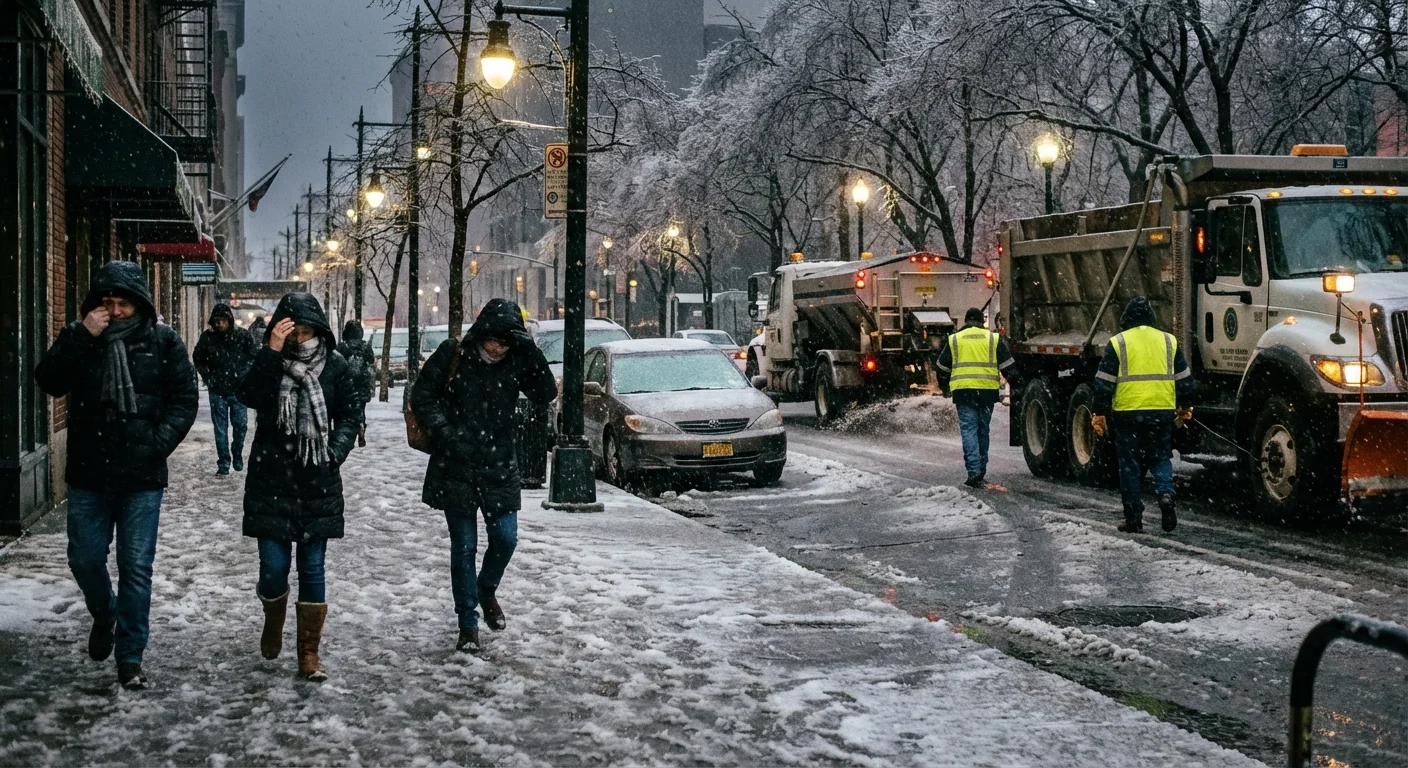
If sleet is in the forecast, slow down, leave extra stopping room, and wear shoes with firm grip. Treat steps and sidewalks early, then again after the burst.
How To Recognize It In The Moment
Step outside and listen. Sleet makes a crisp tapping sound on jackets, cars, and windows. Look at the ground. Pellets bounce, roll, and do not splash. Check your railing. If it is wet and instantly slick with a thin glaze, that is freezing rain. If it collects as soft flakes, that is snow. If it is crunchy beads that gather in corners, you are in a sleet burst.
A final point on messaging. When you see a sleet headline, check the region. A forecast in London may be warning of rain mixed with snow. A forecast in Chicago is likely pointing to ice pellets. The hazard is different, but both can make travel tough and sidewalks treacherous.
Conclusion
Sleet is winter’s middle ground, a product of a warm slice of air above a cold surface. It bounces, blinds, and complicates travel, and it is showing up more often as winters warm near freezing. Know its sound. Know its feel. And plan with care, for tonight and for a future where the wintry mix plays a larger role in our lives. ❄️⚠️