Breaking: Heavy snow and strong winds are hammering New Jersey right now, and I am confirming systemwide weather impacts on NJ Transit. Trains, buses, and light rail are running on adjusted schedules, with delays and targeted cancellations likely through the day. Visibility is poor. Roads are slick. If you can delay your trip, do it. ❄️
What is happening right now
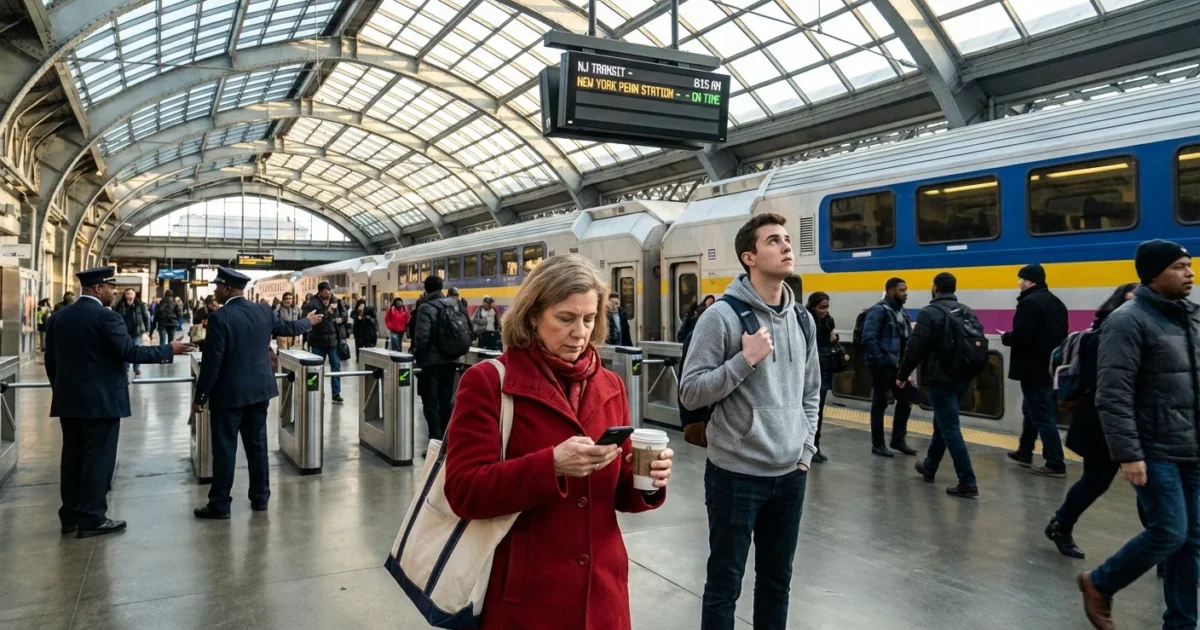
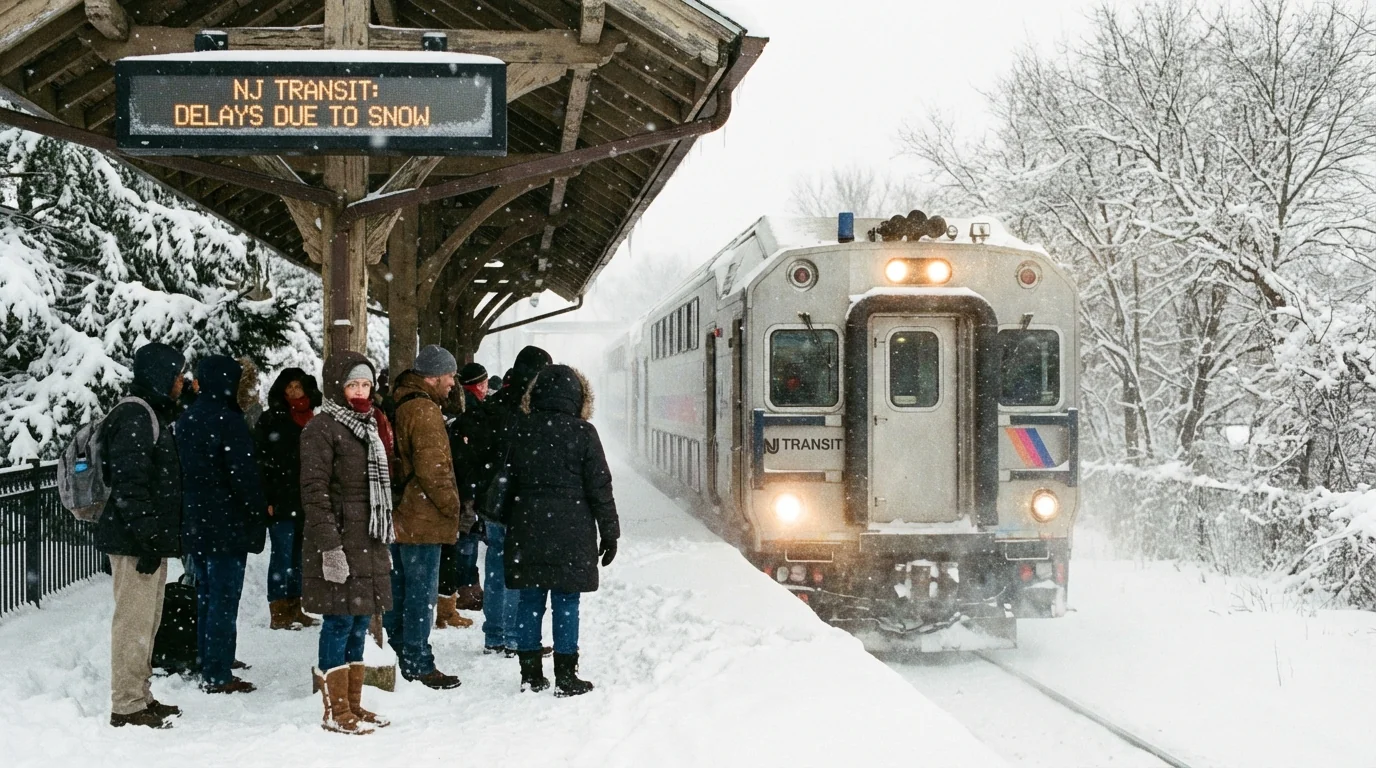
Snow bands are crossing the state, building fast near the coast and along key corridors. Strong gusts are blowing snow across roads and platforms, which cuts visibility and slows crews. NJ Transit is responding with reduced schedules in some areas, plus on the-fly adjustments where roads are not passable. Expect slower trains while switches are cleared and inspected. Expect temporary bus suspensions on steep, untreated, or blocked routes.
Ticket cross-honoring may be activated during peak crunch times to provide more options between rail, bus, and light rail. Riders should confirm active cross-honoring before boarding, since details can change by the hour.
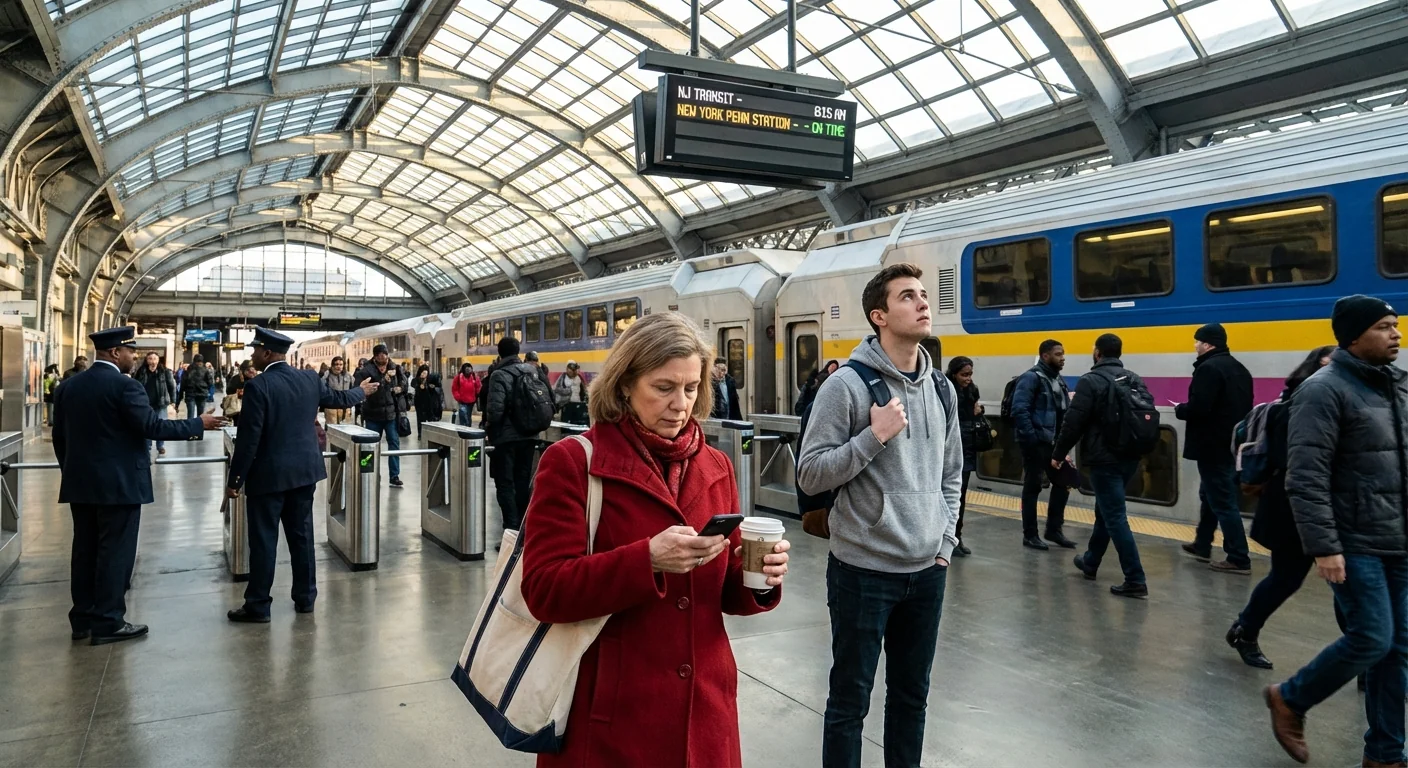
Low visibility and icy surfaces are a real hazard today. Stand back from platform edges. Use handrails on stairs. Give plows and salt trucks space to work.
How to ride NJ Transit safely today
Your goal is to reduce time outside, build a flexible plan, and keep options open. Here is the smartest way to move during this storm.
- Check the NJ Transit app or website before you leave, then again at the station. Sign up for My Transit alerts.
- Pick earlier trips if possible. That gives you backup if the first train or bus is delayed.
- Allow extra transfer time. Platforms and walkways are slippery, and service can stack up behind snow operations.
- Watch for posted service changes on station boards and bus stop notices.
- If your route is suspended, look for cross-honoring on nearby lines when announced.
Pack simple storm gear to stay safe and mobile:
- Warm layers and waterproof outerwear
- Phone charger or battery pack
- Water and a small snack
- Bright hat or scarf for visibility
Cross-honoring, when active, can save your trip. Always confirm which modes and zones apply before you tap in or board.
The science behind this storm
This is a classic cold season setup, fed by a moisture-rich Atlantic and sharp temperature contrast inland. A coastal low is pulling in wet air, then wringing it out over colder ground. That produces heavy, fast snowfall where the air is just below freezing. When flakes are dense and wet, they cling to trees and wires, and that can cause downed branches and slowdowns across rail and roadways.
A warming climate is raising ocean and air temperatures. Warmer air holds more water. When storms meet subfreezing air, that extra moisture can drop as intense snow. That means fewer total snow days in many winters, but a higher risk of high-impact bursts like this one. The jet stream, which guides these systems, can also dip and stall more often, locking in heavy bands over narrow corridors. This storm is behaving exactly that way, with sharp gradients over short distances.
What to expect later today and tonight
Snow will taper first in parts of western and southern New Jersey, then slowly ease along the northeast corridor and coast. Cleanup will lag the last flakes. Crews need time to clear switches, inspect overhead wires, and salt bus loops. Equipment repositioning will also drive residual delays into the next commute. Plan for slower departures early tomorrow as lines reset.
If you must travel tonight, pick earlier departures and give yourself options. Keep watching alerts right up to boarding. If your trip is not essential, postpone until road salts and rail crews finish the heavy lift.
Building a resilient, low carbon commute
Transit keeps cars off the roads in storms, which cuts crashes, reduces tailpipe pollution, and gives plows room to clear lanes. That is climate action in real time. NJ Transit’s winter playbook includes heated track switches, de-icing trains, salt stockpiles, and tree trimming near key lines. These steps help stabilize service as snowfall grows more intense with a warming atmosphere. Looking ahead, stronger flood protection for yards and shops, storm hardening at low-lying stations, and the rollout of electric buses will make the system cleaner and tougher in extreme weather.
Climate change is reshaping winter, but smart planning can keep New Jersey moving. Today, choose safety, choose flexibility, and choose transit when it is operating near you. I will keep tracking the storm and the system. Stay alert, travel light, and get home safe. 🌨️