Power is going out right now across wide swaths of the Northeast and Midwest. Heavy, wet snow, a slick glaze of ice, and gusty winds are snapping branches and stressing power lines. I am tracking active outages and dangerous conditions as this fast-moving winter storm pushes east. If you are asking about power outages near me, here is what is happening and how to stay safe.
What is knocking out the grid
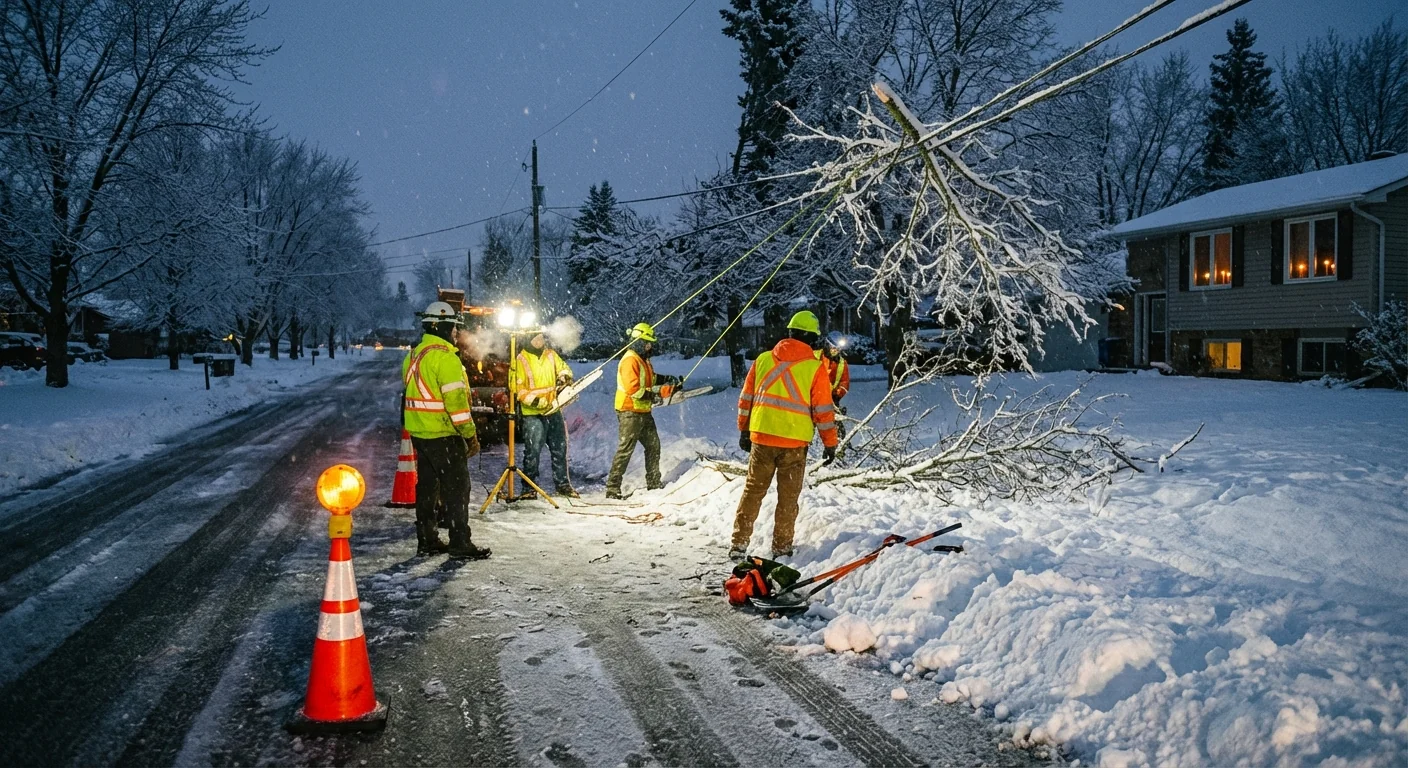
The setup is textbook winter chaos. A warm, moisture-rich atmosphere is colliding with subfreezing surface temps. That mix is building thick, waterlogged snow and a skin of ice on trees and lines. When wind picks up, the extra weight turns ordinary branches into wrecking bars.
This is not random. A warmer climate holds more water in the air. That fuels heavier snow near the freezing line and more ice storms where temperatures hover around 32 degrees. The rain snow line is wobbling across counties, so damage is patchy yet intense. Some roads look fine, others are a maze of downed limbs. Crews are working where they can, but icing slows everything.
How to find reliable outage updates fast
You need precise, local information, not rumors. Utilities and emergency managers are posting live updates. Restoration times may shift as crews assess damage, so check often.
- Open your utility’s outage map or app, then enter your address for status and estimated times.
- Check your state’s outage dashboard for a county view of totals and trends.
- Follow local emergency management and the National Weather Service for alerts and road hazards.
- Enable text or email alerts from your utility, then keep your phone on low power.
Save battery. Dim your screen, switch to low power mode, close background apps, and send texts instead of calling.
Travel is risky in the ice zones. If you must move, assume dark intersections have no signals. Bring a charged power bank and warm layers. Expect some school and office closures through the storm’s back side.
How utilities restore power, what to expect
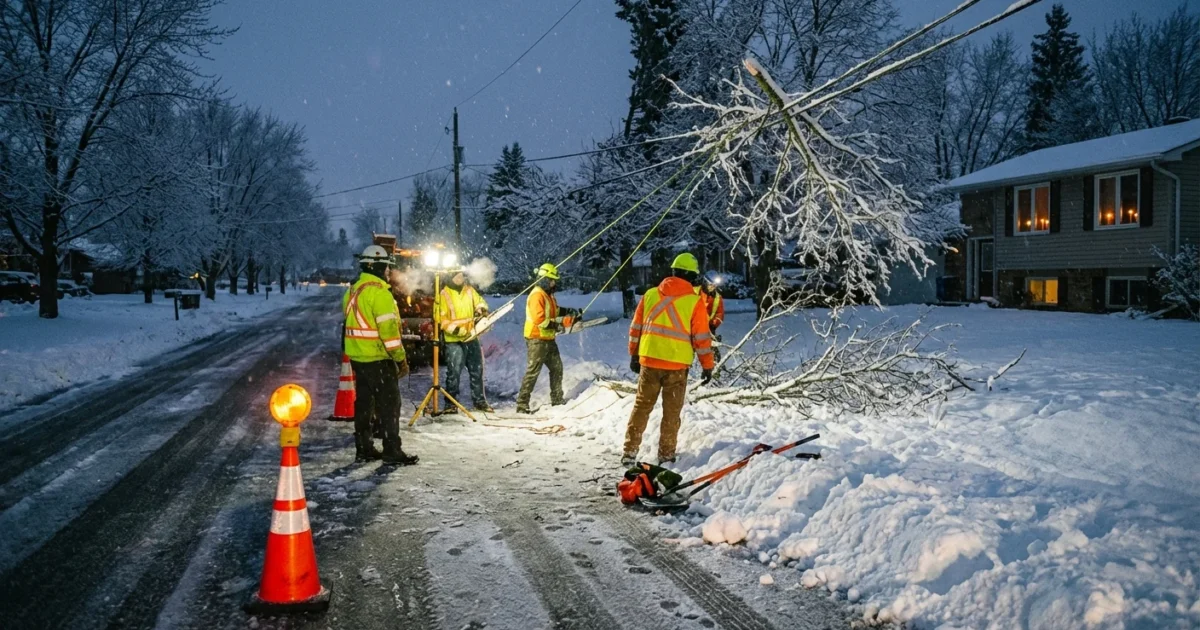
Restoration follows a triage system. First come critical facilities, hospitals, fire stations, water and wastewater plants. Next, crews tackle the largest feeder lines that bring power to thousands. Then they move to smaller neighborhood circuits and laterals. The final step is individual service drops to homes.
Ice makes repair work slow and dangerous. Bucket trucks cannot extend safely in strong gusts. Trees under load can snap without warning. You may see trucks pass by at first. They are clearing hazards and scouting the grid so repairs stick. Estimates can improve or slip as new damage appears.
Mutual aid is inbound from less affected regions. Crews share materials, poles, and transformers. The goal is to restore the most people, as fast as safety allows. If your block has lights while the next is dark, that is feeder geometry, not favoritism. Stay patient, and keep lines clear so crews can work.
Safety first in the cold
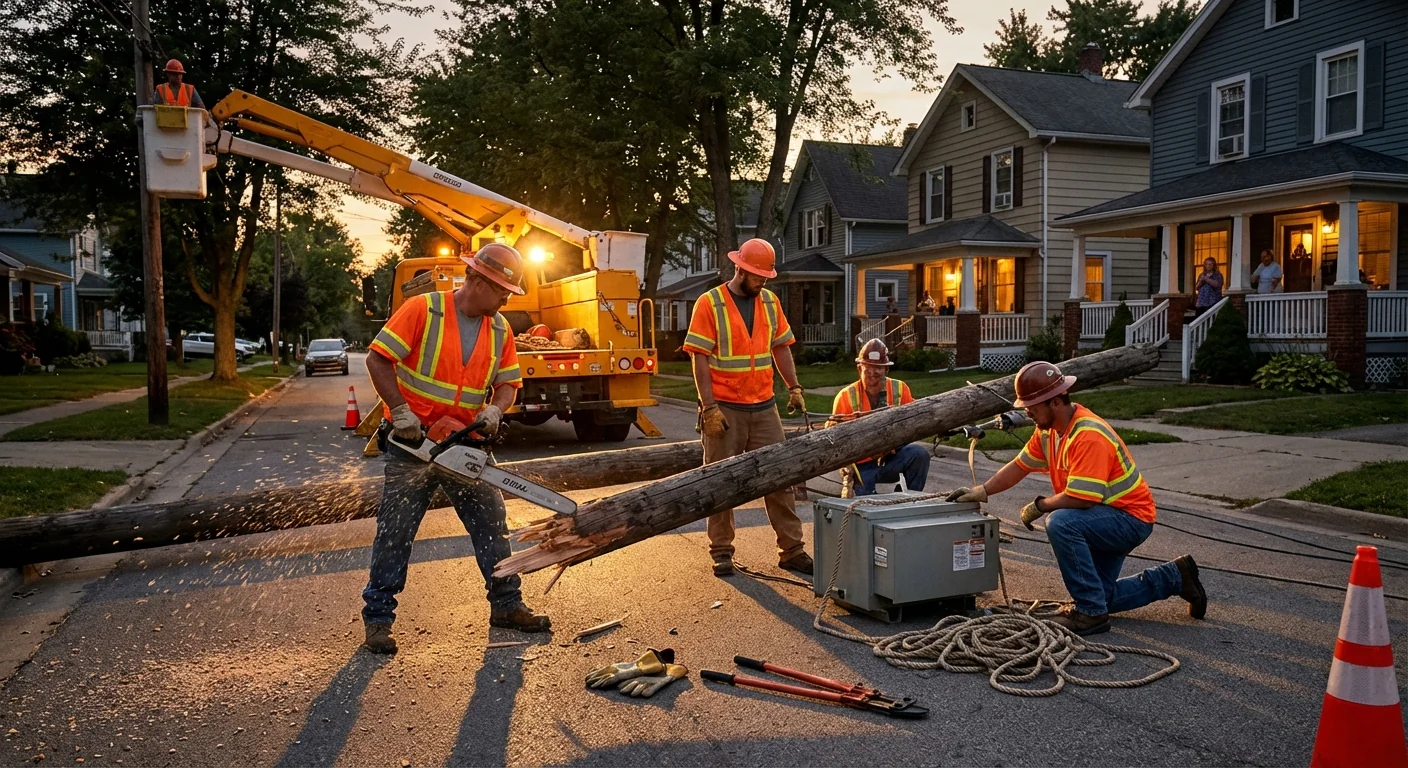
Cold and dark can push people into risky choices. Do not take the bait. Carbon monoxide, live wires, and black ice do not forgive mistakes.
- Treat every downed line as live. Stay at least 30 feet away and call 911.
- Run generators outdoors, far from doors and vents. Never in a garage.
- Use space heaters with tip sensors. Keep them three feet from anything that can burn.
- Keep refrigerators closed. Most food stays safe for four hours, freezers about 48 hours if full.
- Conserve phone battery and data. Check in with neighbors, especially seniors.
If you smell exhaust indoors, feel dizzy, or get a headache, get outside fast and call for help. Carbon monoxide is invisible and deadly.
The bigger climate picture, and building resilience
This storm is one piece of a larger shift. Winters are warming, but that does not mean fewer power hits. It often means more mixed precipitation and heavier wet snow, which are brutal for trees and lines. Wind events are also intensifying in many places, adding stress to an aging grid.
We can reduce future outages. Smarter tree stewardship, native species, and pruning schedules help. Targeted undergrounding on the worst corridors cuts exposure. Microgrids at hospitals, schools, and fire stations keep critical services running. Home upgrades matter too. Better insulation, cold-climate heat pumps, and battery storage cut demand spikes and keep rooms livable when power fails. Community warming centers powered by solar plus storage can turn a blackout into a manageable pause.
The bottom line
Power is out in many neighborhoods, and more outages are likely as snow and ice shift today and tonight. Get your location-specific updates from your utility and local officials, not from hearsay. Stay off risky roads, give crews room, and keep safety first. We will keep monitoring the storm edge to edge. Stay warm, check on neighbors, and let this be the push to build a tougher, cleaner grid for the next round. ❄️🔌