BREAKING: What is “Wavy 10”? Here is what it is, what it isn’t, and why it matters for your weather safety. I can confirm there is no regional weather emergency tied to a term called “Wavy 10” at this hour. There is confusion, and it is spreading fast. Let’s clear it up, with climate context you can use right now.
What “Wavy 10” likely means
First, “Wavy 10” is the common nickname for WAVY‑TV, the NBC affiliate on Channel 10 in the Hampton Roads region. They cover local news, including storms, tides, and coastal flooding. If you heard “Wavy 10,” it may be a reference to that TV station’s coverage.
It can also be a product label. In beauty listings, “wavy 10” can describe 10 inch hair extensions. In slang, “wavy” can mean cool or stylish. None of these are weather codes. None of these are storm names. If you saw “Wavy 10” attached to dire claims, treat it as a mix up, not a meteorological alert.

“Wavy 10” is not an official storm name, not a National Weather Service product, and not a coastal alert code.
The weather and climate angle you need
Why cover this at all? Because confusion during an active weather pattern can cause harm. The Mid Atlantic is entering a stormy stretch. Strong coastal lows and high tide cycles are common in December. Hampton Roads is especially exposed. The region is experiencing some of the fastest sea level rise on the East Coast. Sunny day flooding is already routine in parts of Norfolk and Virginia Beach. Add a coastal storm on top, and street flooding comes fast.
A wavy jet stream, the high altitude river of wind, is also in play this season. When the jet stream becomes more wiggly, it slows down and amplifies. That can lock in heavy rain on one side of the country and dry, cold air on the other. For the Mid Atlantic, a wavy pattern in winter can mean back to back nor’easter threats. Some of those are minor. Some stack with king tides and push water into low lying roads. That is why mixed messages, like a mystery term, are risky when the atmosphere is already loaded.
How to verify weather claims in 60 seconds
If you see a scary post, use this quick check. It keeps you safe and focused.
- Check the timestamp, old storms often get recycled as new
- Look for official advisories from the National Weather Service and local emergency managers
- Confirm station branding, if it says “Wavy 10,” it likely means the TV station, not a storm
- Scan radar and tide forecasts from trusted apps, then compare with your local outlet
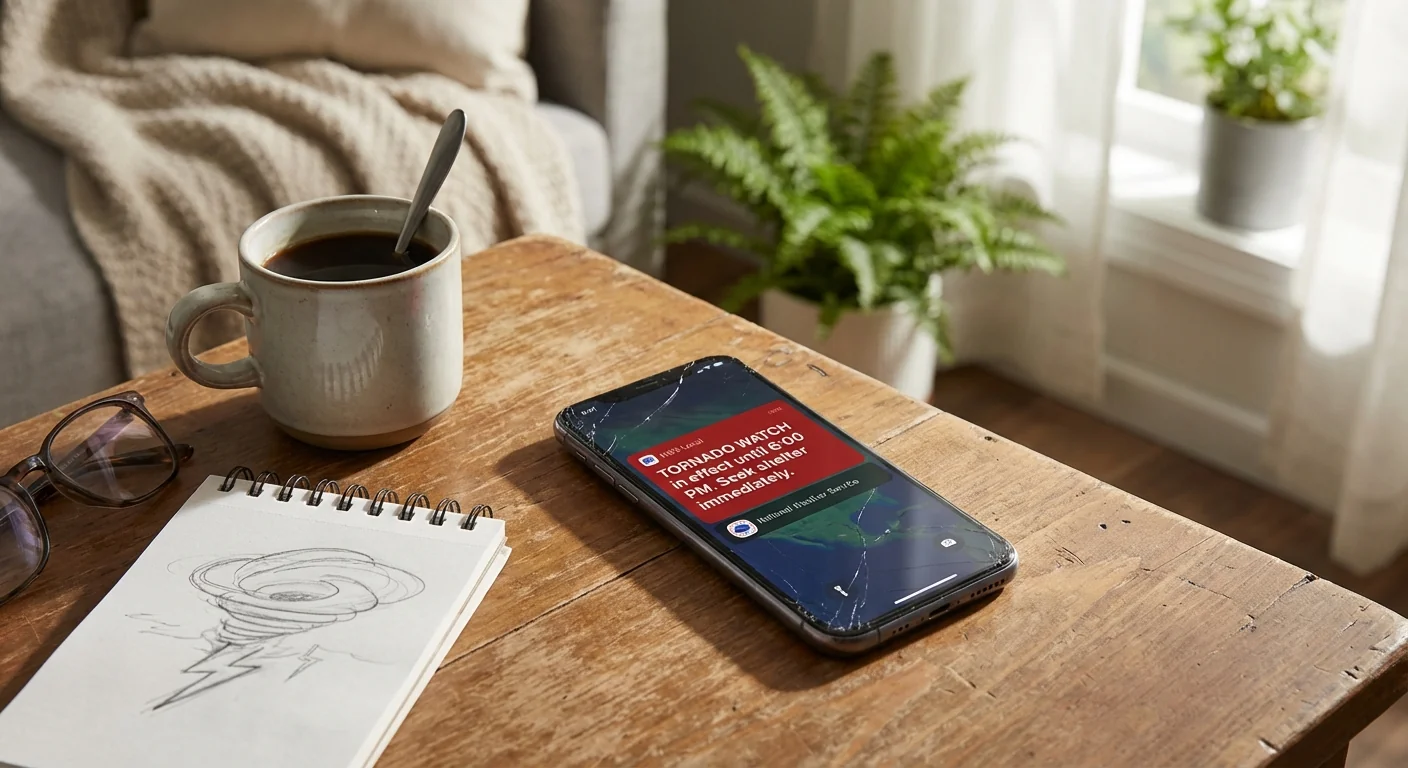
Save your local NWS office, city alerts, and one trusted TV station in your phone favorites. Use push alerts, not screenshots from strangers.
Readiness and resilience, today and long term
Flooding risk is not just a forecast. It is a fact of life for coastal cities. If you live in Hampton Roads, plan for both daily tides and storm days. Park on higher ground when heavy rain coincides with high tide. Know your detours around flood prone blocks. Keep a small go bag, medicines, chargers, and a flashlight ready.
City leaders are building defenses. Living shorelines, higher roadbeds, better pumps, and raised homes reduce risk. These moves cost money, but they save more in avoided damage. Cutting emissions also matters. Warmer oceans add fuel to storms, and higher seas raise the baseline for every tide. The less we heat the planet, the fewer extremes we face later. Local choices and global action work together.
Conclusion: The term “Wavy 10” is not a weather code and not a storm. In a season primed by a wavy jet stream and rising seas, clarity saves time and reduces risk. Keep your alerts on, verify fast, and make choices that protect your block today while building a safer coast for tomorrow. Stay safe, stay prepared, and stay with verified sources. 🌊