BREAKING: Ice, snow, and deep cold shut classrooms across multiple states today, while major districts move to permanently close campuses to balance budgets. The result is a double shock to families and students, both immediate and long term. I am on the ground with the latest, and why climate and sustainability choices matter right now.
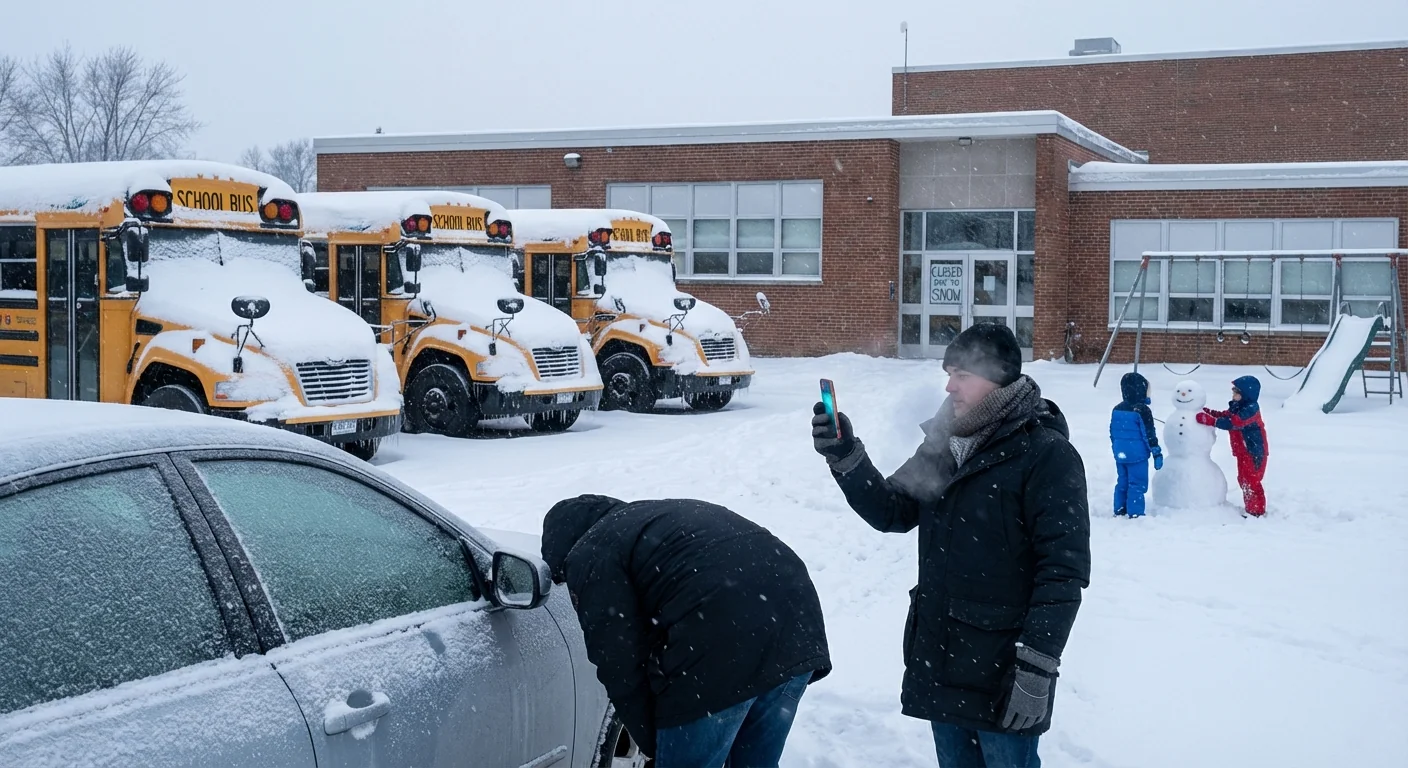
Winter weather forces same day closures
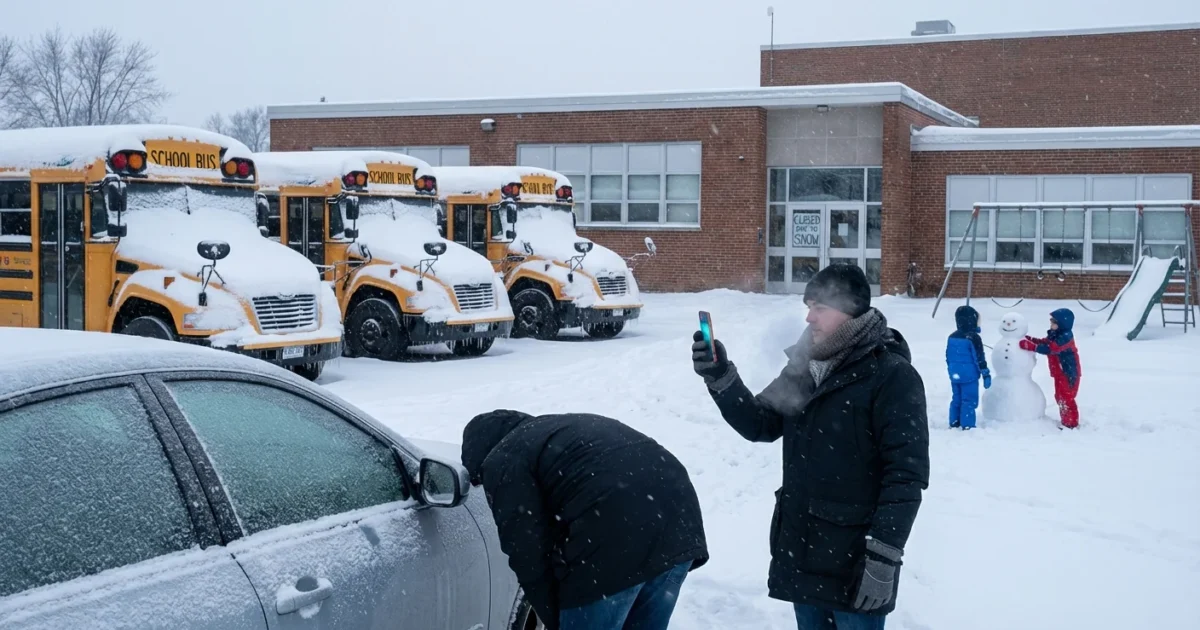
By early morning, districts across Michigan closed outright as icy roads and lake effect snow made bus routes unsafe. In Iowa, Des Moines Public Schools canceled classes, and Ames announced a two hour delay. In Virginia, Fairfax County Public Schools closed, while Loudoun County shifted to a delayed start. The common thread is ice. A fast drop in temperatures after overnight moisture glazed roads, and wind chills turn a short walk into a hazard.
A sharp south dip in the jet stream pulled Arctic air into the Midwest and Mid Atlantic. Over the Great Lakes, colder air passing over warmer lake water built intense snow bands. Farther south and east, shallow cold air near the surface turned light rain into freezing drizzle. Roads that looked wet were, in fact, sheets of ice.
Black ice is widespread on untreated roads and sidewalks. Exposed skin can frostbite in minutes in gusty wind chills.
Closures protect students and bus drivers from crashes and injuries. They also reduce traffic during the most dangerous hours of the storm. The tradeoff is lost learning time and childcare strain, which hit working families hardest.
The climate signal inside a snow day
Winter storms still deliver heavy snow when the air is cold enough. A warmer atmosphere holds more moisture, which can feed stronger bands and heavier bursts. But more winter days now swing above and below freezing. That pattern boosts ice risk. Melt in the afternoon, refreeze overnight, repeat the next morning. That cycle is a growing driver of closures.
We are seeing more ice centered shutdowns and fewer classic blizzard weeks in many school years. That shift calls for smarter road treatment timing, better sidewalk care, and stronger communication with families. Snow days are not just a winter tradition. They are a stress test of local resilience.
Families, build a quick plan. Keep devices charged, line up a neighbor or backup care, and know the district alert channels.
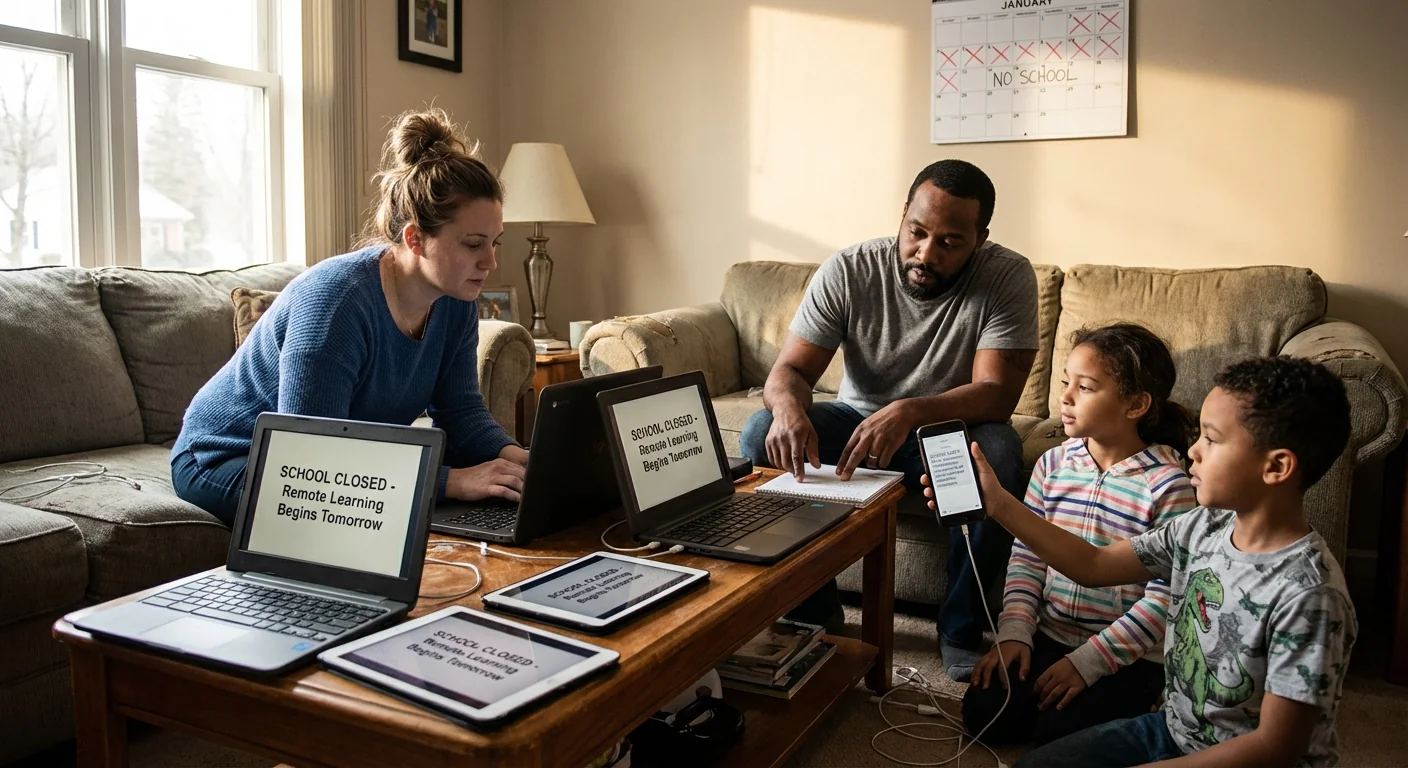
Permanent closures reshape districts, and communities
While weather shut doors today, three major districts are closing schools for years to come. On December 9, Spring ISD in Texas voted to close Link Elementary and Dueitt Middle School to address a 6.5 million dollar deficit. Leaders project more than 4 million dollars saved next year, and over 29 million across five years. Students will move to nearby campuses. Because one receiving campus holds an F rating, state oversight rules will apply to ensure supports are in place.
In Atlanta, the Board approved a long range plan on December 5 that will close nine elementary schools in spring 2027. The move aims to balance capacity and improve equity. In Austin, trustees voted November 20 to close ten campuses to cover a 19.7 million dollar shortfall and avert possible state intervention. Transition plans include counseling for students and staff, and priority based enrollment at new schools.
Research and past closures tell a clear story. When consolidation is rushed or poorly supported, students from marginalized neighborhoods lose the most. Long rides, broken ties to trusted adults, and lost access to after school support can hurt academics and well being. There is a climate cost too. Longer commutes can raise bus miles and emissions if routes are not redesigned and fleets are not upgraded.
Schools can be resilience hubs. Weatherized buildings with efficient heat pumps, backup batteries, and solar can shelter communities during outages.
What districts can do now
Weather and budget pressures are real. Planning can reduce harm.
- Treat ice with a priority map for bus stops and sidewalks, not only main roads.
- Invest in electric or clean fueled buses, and redesign routes to cut miles.
- Add safe walking and biking corridors for consolidated schools.
- Pair closures with mental health support, meal access, and tutoring.
These steps keep kids safer on storm days, and cushion the blow of permanent changes. They also cut emissions and energy waste, which reduces future climate risks.