Snow. Rain. Then ice. Southeast Michigan woke up to a messy mix that shut hundreds of schools and slowed the region to a crawl. I am tracking widespread delays and closures, with many districts already extending decisions into Thursday, Dec. 11, 2025. The goal is simple. Keep students and staff off streets that are slick, unpredictable, and refreezing by the hour.
What is happening now
A potent winter storm settled over Metro Detroit and the Thumb, feeding on lake moisture and sharp temperature swings. North of I‑69, several communities saw heavy snow. South and east, a warm layer aloft turned flakes into sleet and freezing rain. Then the cold returned fast, and everything glazed over.
More than 500 schools across Metro Detroit reported delays or closures on Wednesday. Many public, private, and charter schools stayed closed into Thursday to avoid a dangerous morning rush. Thumb-region districts including Bad Axe, Caseville, Cass City, Ubly, and Vassar confirmed full closures as refreeze risks expanded into rural routes and bridges.
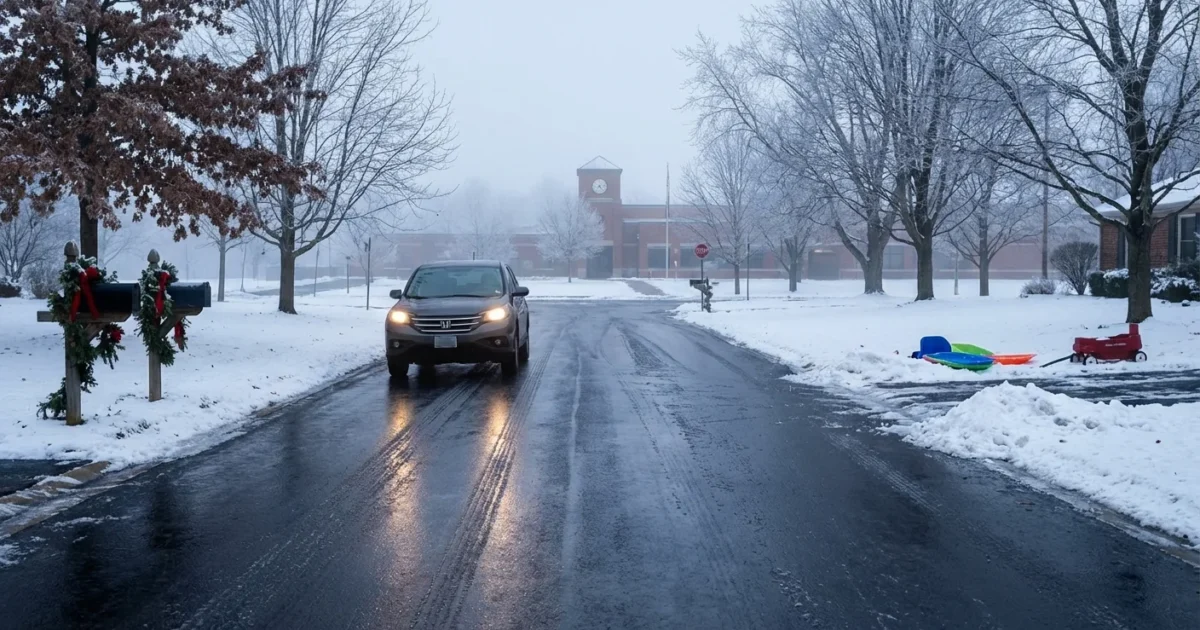
Road crews are working, but ice beats salt when temperatures drop quickly. Expect black ice on shaded streets, side roads, and overpasses. Expect sidewalks to look wet, then turn glassy within minutes.
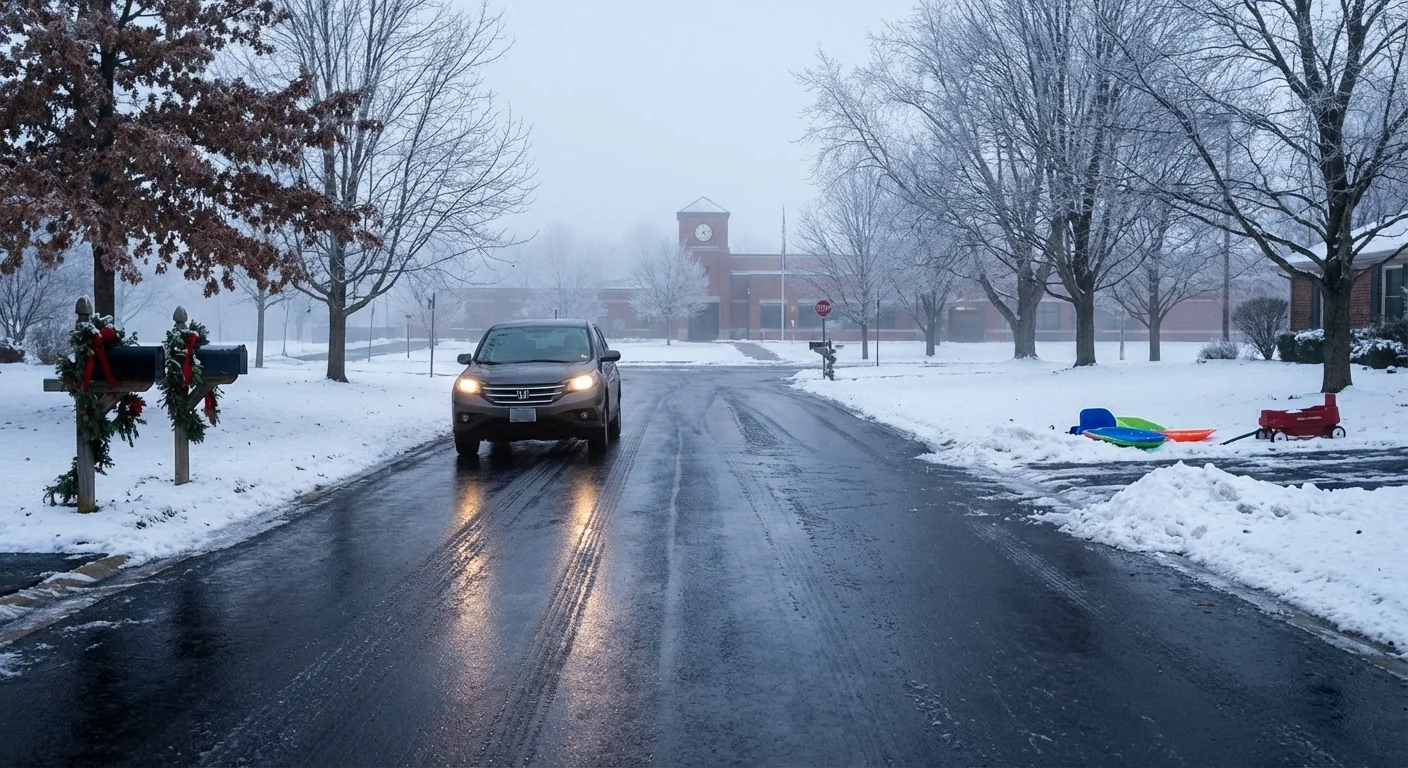
Black ice is invisible until you are on it. Slow down, leave space, and avoid sudden braking. ❄️
Why this storm forced widespread closings
This setup is classic winter weather whiplash. A brief warm push changed snow to rain and sleet. The ground stayed cold, so meltwater refroze on contact. That creates a hard, clear ice layer that plows and salt struggle to break.
These mixed events are becoming more common in a warming climate. Winters are trending milder on average, which means more days near the freezing point. When storms ride that thin line, they flip between snow, sleet, and freezing rain. That mix creates the most dangerous travel and the most school closings. Shorter, sharper cold snaps then lock in the ice overnight.
How to keep your family informed
I am updating live closure lists on WDIV Local 4 and pushing alerts through the 4Warn Weather App. Conditions change fast after sunset and before dawn. Districts often decide late at night or early morning, once crews test roads and sidewalks.
- Turn on school and district notifications in the 4Warn Weather App.
- Check your district website before bed and again before 6 a.m.
- Watch Local 4 for real-time updates during the morning commute.
- Verify bus status, special programs, and daycare separately.
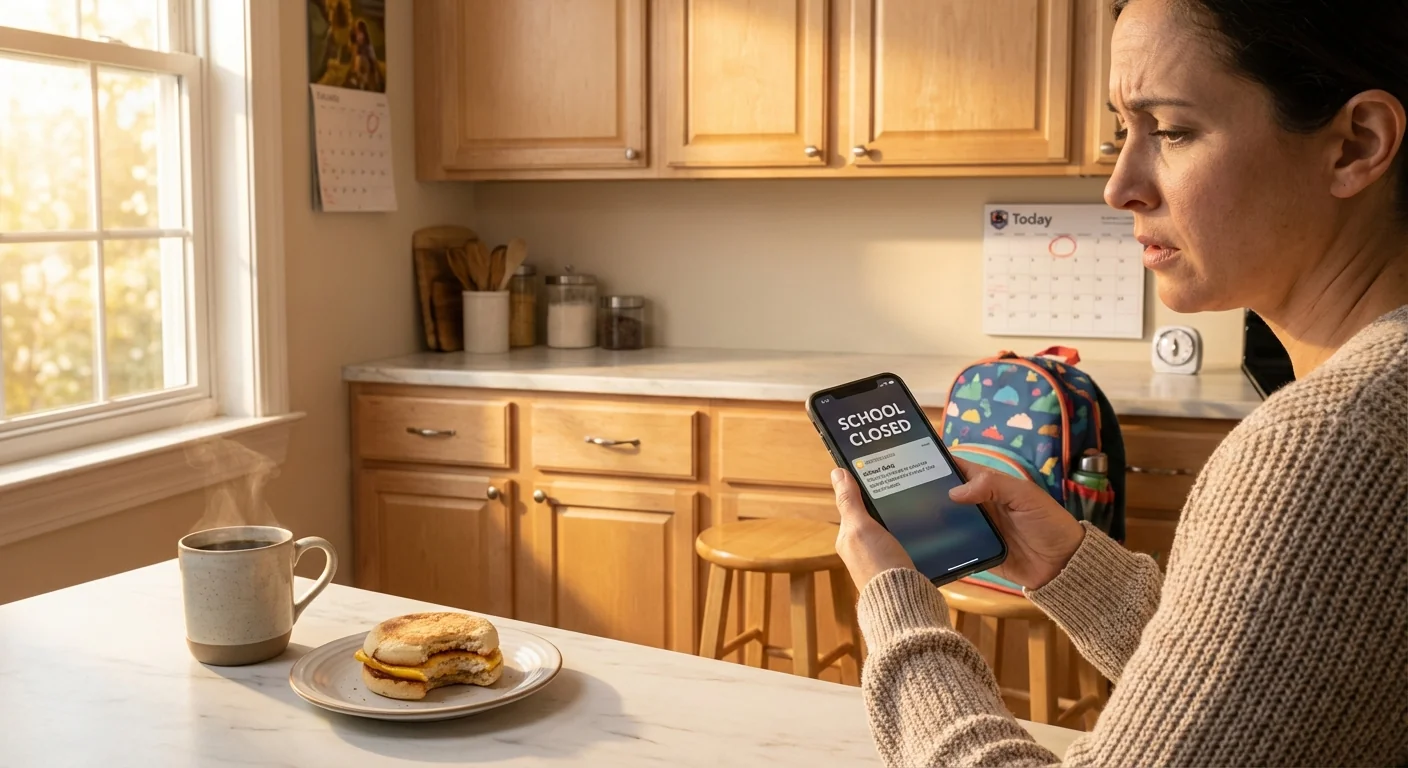
Set a backup alert. Add your school’s robocall, text, or email system to a second phone or a caregiver’s device.
Safety and sustainability during the refreeze
Staying safe and being mindful can go together. You can improve traction without overusing salt, which harms lakes, soil, and pets. Shovel early, scrape to pavement, then target the slick spots.
- Use sand or traction grit on steps and walkways.
- Choose pet-safe or calcium magnesium acetate deicers where possible.
- Clear storm drains so meltwater can flow, which reduces refreeze.
- Keep your car kit stocked with a scraper, blanket, and phone charger.
Idling does little to warm modern engines and adds dirty air at school pick-up zones. Start the car, clear windows fully, then go. For buses and EVs, plan extra time, since cold cuts battery range and slows charging.
Late-night and pre-dawn updates are likely through Thursday, Dec. 11. Check twice, at night and before you leave.
What comes next
Cold air holds through tonight, so any wet surface can glaze again. Rural roads, untreated sidewalks, and bridge decks will be the first to freeze. As winds ease and crews catch up, conditions will improve by midday in many neighborhoods. Another light burst of snow or drizzle remains possible on the back edge of this system, which can quickly rebuild thin ice.
If power lines or tree limbs collect ice, scattered outages can occur. Keep phones charged. Keep generators outside, far from windows and vents.